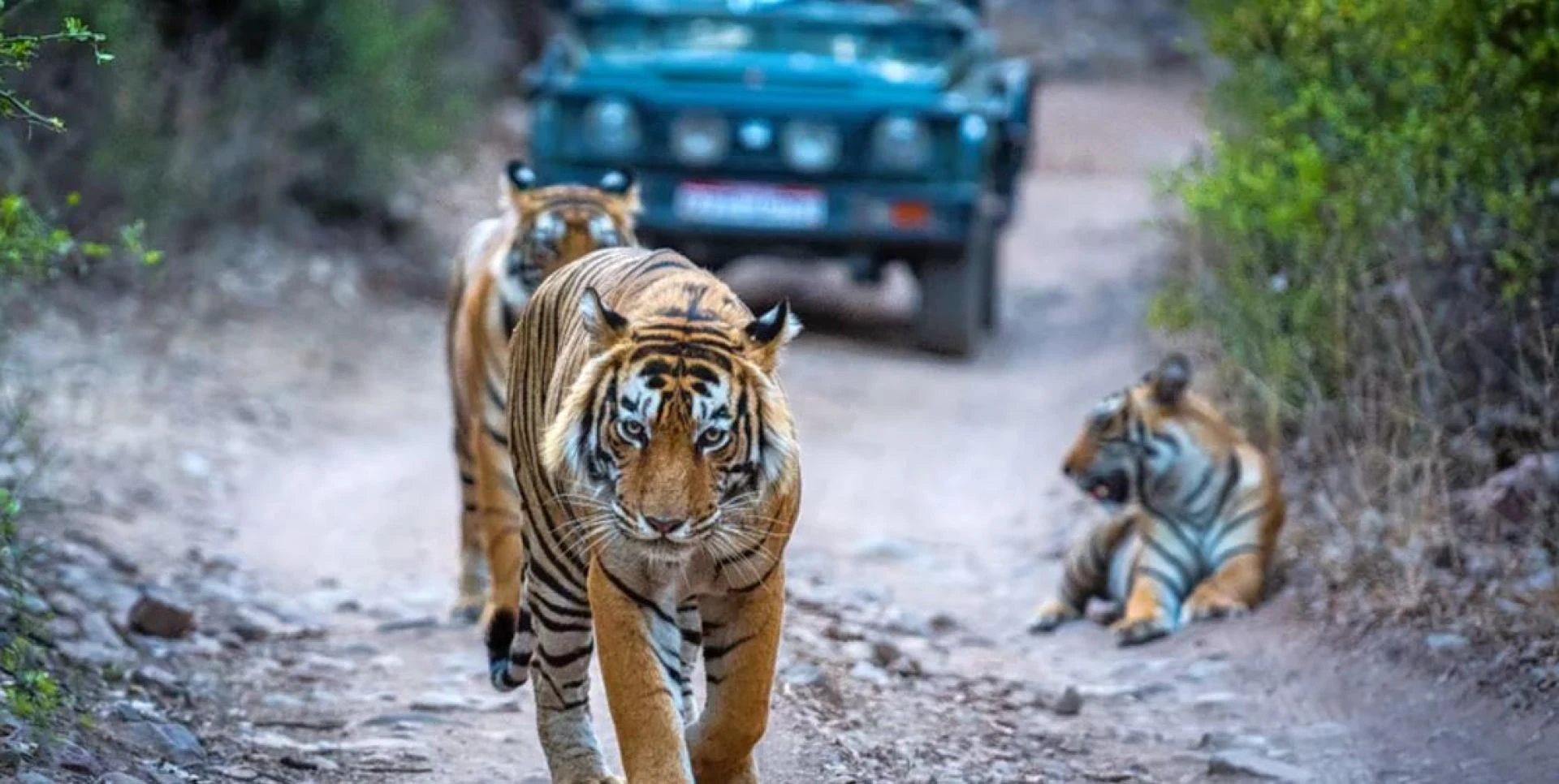
Ranthambore National Park in Rajasthan offers one of the most compelling wildlife experiences in Asia. Where else can you watch wild Royal Bengal Tigers navigate between 10th-century stone ruins, ancient banyan trees, and shimmering lakes? Located in the Sawai Madhopur district, this former royal hunting ground turned protected tiger reserve sits within easy reach of Jaipur, Delhi, and Agra, making it an ideal destination for a weekend getaway.
A two-day trip requires smart planning to balance wilderness tracking with historical exploration. Staying at a hospitality property like Ranthambore Tiger Resort provides a peaceful retreat between dust-filled jungle drives while putting you close to the main park gates.
Understanding Safari Logistics and Vehicle Options
Before stepping into the forest, understanding how the park operates is critical for a smooth trip. Ranthambore is divided into 10 designated safari zones. Zones 1 through 5 represent the core forest area surrounding the historic fort and lakes, while Zones 6 through 10 encompass the surrounding hill terrain and buffer stretches. All zones are managed by the Rajasthan Forest Department, and entry permits are issued through a centralized booking system.
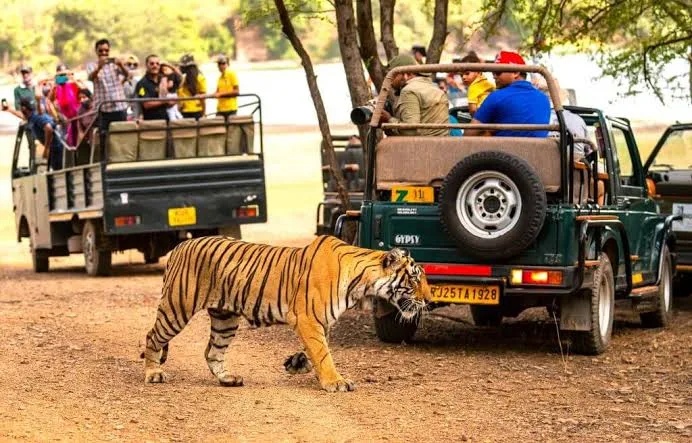
Visitors can choose between two types of vehicles: 20-seater open-top Canters and 6-seater Gypsies. While Canters offer a higher vantage point for group travel, booking an open jeep safari in Ranthambore gives you greater maneuverability, quieter engine movement, and better angles for photography along narrow forest tracks. Because jeep permits are limited, securing your tickets 60 to 90 days in advance is strongly recommended.
Day 1: Arrival, Local Flavors, and Your First Jungle Drive
12:00 PM – Check-In and Prep
Arrive in Sawai Madhopur by midday via rail or road. Check in to your chosen resort in Ranthambore, freshen up, and enjoy a fresh Rajasthani lunch. Keep your meal light, charge your camera batteries, and prepare a safari bag containing a sun hat, sunglasses, sunscreen, and a light scarf to protect against trail dust.
2:30 PM – Afternoon Safari Drive
Your assigned vehicle and natural guide will pick you up directly from your lodging. Afternoon safaris typically run for three and a half hours, ending just before sunset. During the warmer afternoon hours, animals naturally gravitate toward water bodies like Padam Talao, Rajbagh Lake, and Malik Talao. Keep your eyes open for spotted deer, sambar, marsh crocodiles resting along the banks, and colorful raptors perched overhead. Listen closely for the sharp alarm calls of langur monkeys and axis deer, which often signal a tiger moving quietly through the dry deciduous teak forest.
6:30 PM – Evening Refreshment and Campfire
Return to Ranthambore Tiger Resort to wash off the forest dust. Gather around the evening bonfire, exchange sighting stories with fellow travelers, and enjoy traditional Rajasthani cultural performances paired with a dinner cooked from local spices.
Day 2: Morning Wildlife Tracking and the Historic Fortress
6:00 AM – Dawn Safari
Morning safaris begin shortly after sunrise when predator activity is at its peak. Early morning light piercing through the mist creates striking photographic opportunities across the forest tracks. Dawn is an excellent time to spot sloth bears returning to their dens, leopards prowling near rocky outcrops, and resident tigers patrolling their territorial boundaries.
10:30 AM – Exploring Ranthambore Fort
After returning for breakfast, head toward Ranthambore Fort, located inside the reserve atop a steep 700-foot hill. Recognized as a UNESCO World Heritage Site, this 10th-century fortress offers panoramic views over the surrounding wilderness and lakes. Walk through ancient stone gateways like Hathia Pol and Ganesh Pol, explore the ruins of Hammir Kachheri, and visit the famous Trinetra Ganesh Temple, where devotees from across India send wedding invitations and letters seeking blessings.
1:30 PM – Local Crafts and Departure
Head back for lunch and check out. Before departing Sawai Madhopur, visit local craft initiatives where regional women create traditional Batik block-printed textiles, hand-woven carpets, and detailed tiger paintings. Supporting local artisan villages adds a meaningful cultural touch to your short trip before catching your train or highway connection home.
Insider Tips for a Successful 2-Day Visit
- Dress in Earth Tones: Wear khaki, olive green, tan, or brown clothing to blend in with the natural surroundings. Bright colors can startle wildlife.
- Pack Layers: Winter mornings (November to February) in Ranthambore can be cold, requiring warm jackets and gloves, while afternoons quickly warm up.
- Respect Park Rules: Maintain silence inside the park, stay seated in your vehicle at all times, and follow the instructions of your assigned nature guide and driver.
- Manage Expectations: Wildlife sightings depend on animal movement and weather conditions. Treat every tiger sighting as a reward while enjoying the forest's overall biodiversity, scenery, and avian life.