
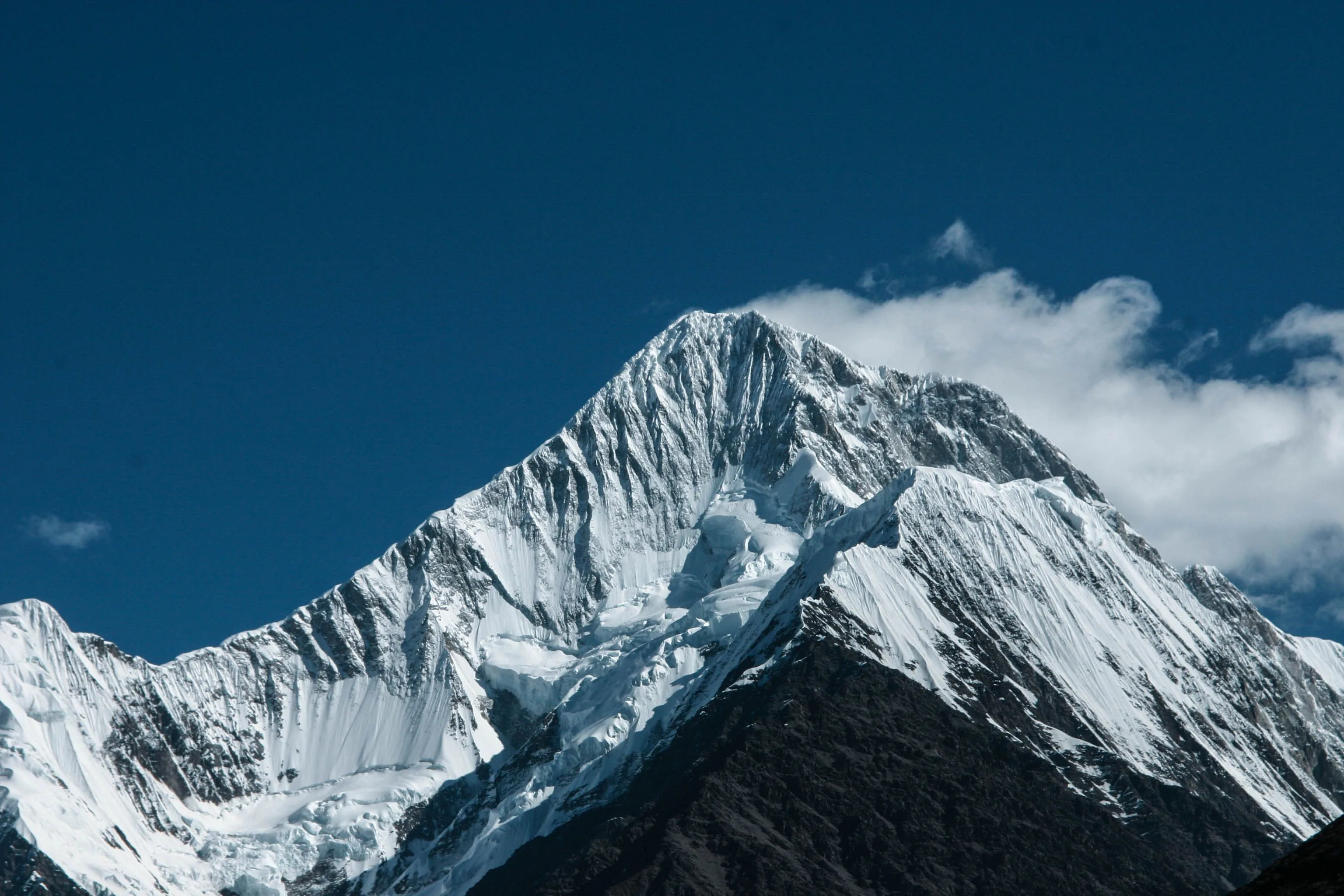
Imagine walking through the beautiful Annapurna region, surrounded by dramatic mountains, quiet villages, and ancient trails—and then looking up at a snow-covered peak waiting to be climbed. That is the experience of Pisang Peak, one of Nepal’s popular trekking peaks.
Rising to around 6,091 meters, Pisang Peak offers an exciting combination of trekking and mountaineering. It is a great choice for adventurous travelers who want to experience their first taste of Himalayan peak climbing.
The Journey to Pisang Peak
The adventure begins along the famous Annapurna trekking routes. As you move through the valley, the scenery changes from green hills and forests to dry, rugged mountain landscapes.
The village of Pisang is one of the highlights along the way. Traditional stone houses, Buddhist prayer flags, and spectacular views of the surrounding peaks create a memorable Himalayan atmosphere.
As the trail climbs higher, the mountains feel closer and the landscape becomes increasingly dramatic.
Preparing for the Summit
Reaching Pisang Peak is not simply about walking uphill. The higher altitude and technical sections require preparation, good physical fitness, and appropriate climbing equipment.
After reaching base camp, climbers normally spend time acclimatizing and preparing for the summit attempt. Rest is just as important as training at this stage.
An experienced climbing team can also provide valuable support with route planning, equipment, weather conditions, and altitude awareness.
The Summit Experience
The summit push is where the real adventure begins.
Depending on conditions, climbers may encounter snow, ice, steep slopes, and cold temperatures. Every step requires concentration and patience.
But the reward is extraordinary.
From higher elevations, the Annapurna range stretches across the horizon, creating a breathtaking backdrop. Standing on the summit after hours of effort can bring a powerful sense of achievement.
It is one of those moments when you realize that the difficult parts of the journey were worth it.
What About Food on the Trek?
Food is an important part of any high-altitude adventure.
Along the trekking route, you can usually find familiar Nepali meals such as dal bhat, as well as noodles, soups, rice, potatoes, eggs, and other simple dishes.
Dal bhat is especially popular because it provides a filling combination of rice, lentils, vegetables, and curry.
At higher elevations, keeping meals simple and staying hydrated can help you maintain energy for long trekking and climbing days.
And honestly, a hot bowl of food after a long day on the trail can taste better than any fancy restaurant meal.
Why Choose Pisang Peak?
Pisang Peak offers more than a summit. The journey combines Himalayan landscapes, local culture, trekking, and climbing in one adventure.
With Nepal Social Treks and Expedition, climbers can receive local guidance and support while experiencing the route and surrounding communities.
Whether you are an experienced trekker looking for a new challenge or an aspiring climber preparing for your first Himalayan peak, Pisang Peak can be an unforgettable adventure.
Would you challenge yourself to climb above 6,000 meters?
#PisangPeak #PisangPeakClimbing #NepalPeakClimbing #PeakClimbing #AnnapurnaRegion #NepalTrekking #HimalayanAdventure #MountainClimbing #TrekkingNepal #ExploreNepal #VisitNepal