
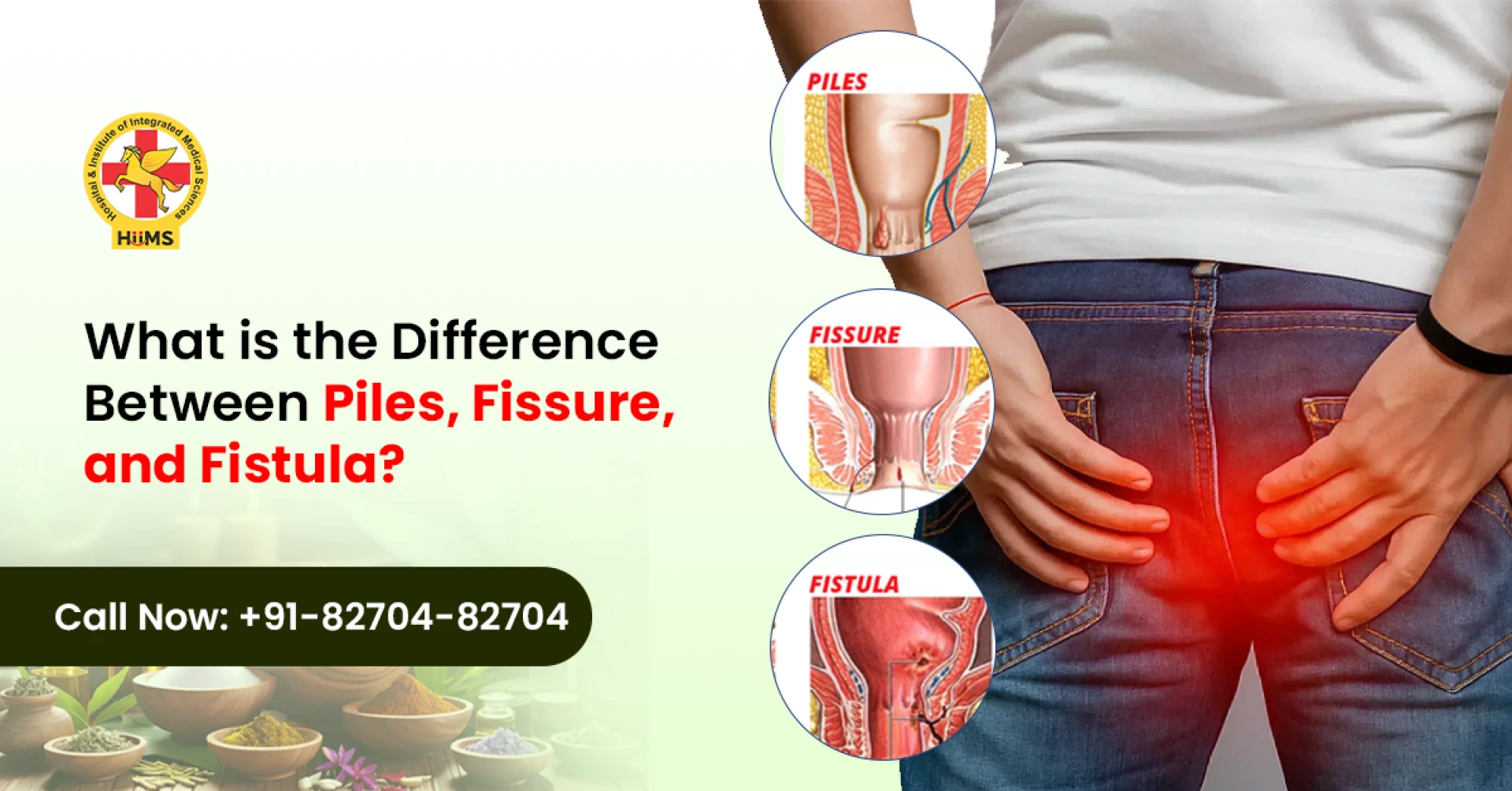
Digestive and bowel-related concerns are common, yet many people feel confused when trying to understand the difference between piles, fissure, and fistula. Although all three conditions affect the anal region, their causes, symptoms, and treatment approaches are quite different. Because of this confusion, many individuals delay proper consultation, which may increase the risk of complications.
Understanding the difference between piles, fissure, and fistula is essential for early diagnosis, effective treatment, and long-term relief. Let’s explore each condition in detail.
Understanding Piles (Hemorrhoids)
Piles, also called hemorrhoids, are swollen veins in the lower rectum or around the anus. They usually develop due to increased pressure in the rectal veins. Common contributing factors include chronic constipation, prolonged sitting, pregnancy, and heavy lifting.
Piles can be:
- Internal – located inside the rectum
- External – visible or felt around the anus
Symptoms of Piles
- Pain or discomfort while sitting
- Itching or irritation
- Swelling or small lumps near the anus
- Bleeding during bowel movements
Causes of Piles
- Chronic constipation or diarrhea
- Straining while passing stools
- Sedentary lifestyle
- Low-fiber diet
Effective piles treatment focuses on reducing inflammation, improving bowel habits, and strengthening vein health. In many cases, dietary improvements and lifestyle correction play a key role in recovery.
Understanding Anal Fissures
An anal fissure is a small tear in the lining of the anus. It often occurs due to passing hard or large stools. Though smaller in size compared to piles, fissures can cause intense discomfort.
Recognizing the difference between piles, fissure, and fistula helps patients identify whether their pain is due to a tear (fissure) or swollen veins (piles).
Symptoms of Fissures
- Sharp pain during and after bowel movements
- Bright red bleeding
- Visible crack near the anus
- Muscle spasms in the anal area
Causes of Fissures
- Hard stools
- Chronic constipation
- Childbirth
- Inflammatory bowel disease
Early fissure treatment focuses on softening stools, relieving muscle spasms, and promoting tissue healing.
Understanding Anal Fistulas
A fistula is an abnormal tunnel that forms between the anal canal and the skin around the anus. It typically develops after an infection in the anal glands, often following an untreated abscess.
Unlike piles and fissures, fistulas are commonly associated with infection.
Symptoms of Fistulas
- Continuous or recurrent discharge
- Pain and swelling
- Skin irritation
- Recurrent abscess formation
Causes of Fistulas
- Untreated anal abscess
- Chronic infections
- Conditions like Crohn’s disease
Fistula treatment generally focuses on eliminating infection and promoting proper tissue healing.
Ayurvedic Approach to Anorectal Disorders
Ayurveda emphasizes treating the root cause rather than just relieving symptoms. It focuses on improving digestion, correcting lifestyle habits, and supporting natural healing.
Therapies may include:
- Herbal formulations for digestion support
- Medicated sitz baths
- Dietary modifications
- Detoxification practices
Kshar Sutra Therapy: A Traditional Ayurvedic Method
Kshar Sutra therapy is a specialized Ayurvedic technique commonly used for anorectal conditions, especially fistula and certain types of piles.
It involves a medicated thread coated with herbal preparations such as:
- Snuhi latex
- Apamarga Kshar
- Turmeric powder
The therapy works gradually by removing unhealthy tissue and promoting healing without major surgical intervention. It is typically performed as an outpatient procedure and aims to minimize recurrence.
Diet and Lifestyle for Prevention
Prevention plays a crucial role in maintaining anal and digestive health.
Recommended Habits
- Eat fiber-rich foods (fruits, vegetables, whole grains)
- Drink adequate water daily
- Exercise regularly
- Avoid prolonged sitting
- Maintain proper hygiene
- Avoid excessive straining
These simple steps significantly reduce the risk of developing piles, fissures, or fistulas.
Conclusion
Although piles, fissures, and fistulas affect the same region, they differ significantly in causes, symptoms, and treatment strategies. Understanding the difference between piles, fissure, and fistula allows individuals to seek timely care and avoid unnecessary complications.
A combination of proper diagnosis, lifestyle correction, and appropriate medical or Ayurvedic treatment can provide lasting relief and support long-term digestive health.Call 82704-82704 for assistance.