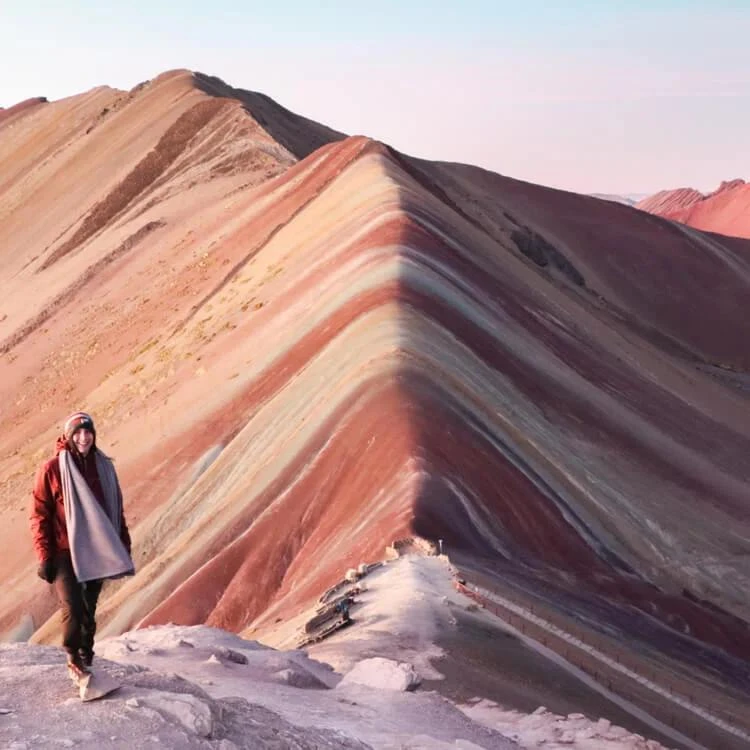
Photography in the Andes presents conditions that differ greatly from lowland environments. Thin air, stronger sunlight, and rapidly shifting weather all affect how images turn out. Beginners should anticipate higher contrast scenes and stronger shadows throughout the day. Cameras often meter light incorrectly at elevation, so manual adjustments become helpful. Carrying lens cloths is recommended, as dust and wind are common along trails. Preparing mentally for slower shooting helps reduce frustration and improve results. Conditions along Rainbow Mountain Cusco routes demand patience, steady footing, and awareness, since altitude fatigue influences reaction time, framing choices, breathing rhythm, and overall consistency during extended shooting period sessions.
Choosing the Right Camera Settings at Elevation
High altitude light can wash out images if settings remain unchanged. Lower ISO levels preserve detail under strong sun, while a narrower aperture helps manage exposure. Beginners should practice shooting in aperture priority mode to balance brightness and depth. Fast shutter speeds help counter wind movement and shaky footing. Bracketing exposures is useful when unsure, especially during early morning or late afternoon hours. These techniques help maintain clarity without overwhelming beginners.
Managing Light Throughout the Day
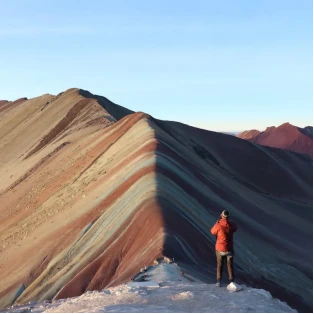
Light behaves differently at elevation due to reduced atmospheric filtering. Midday sun can create harsh highlights, making softer hours more suitable for beginners. Early mornings provide cooler tones and longer shadows that add dimension. Late afternoon light warms stone paths and distant ridges without overwhelming sensors. Cloud cover can soften scenes unexpectedly, creating balanced exposure opportunities. Observing light direction before lifting the camera leads to stronger compositions.
Composition Techniques for Mountain Environments
Strong compositions rely on structure rather than scale alone. Use natural lines such as paths, ridges, or terraces to guide the viewer’s eye. Including people in frames adds proportion and story, especially during group outings. Foreground elements like stones or plants help anchor images. Avoid placing subjects dead center unless symmetry is intentional. These principles apply whether shooting scenic views or candid moments along routes. Varying camera height improves perspective, while waiting for shifting light adds depth. Simple color contrasts strengthen impact. Reviewing frames helps refine spacing, balance, and timing without interrupting the flow of shooting during demanding conditions and long days at altitude.
Photographing Color-Rich Mountain Areas
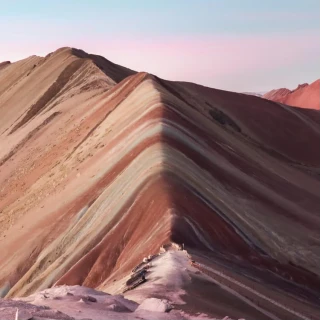
To capture color accurately, avoid oversaturation in-camera. Slight underexposure preserves tonal separation. Polarizing filters help reduce glare and deepen natural hues. Shooting in RAW format allows better color correction later. Patience is key when waiting for clouds to shift.
Protecting Equipment in Harsh Conditions
Weather changes quickly in mountain regions, placing gear at risk. Sudden rain, dust, and temperature drops can damage cameras if unprotected. Weather-sealed bags and lens covers are valuable investments. Batteries drain faster in cold conditions, so extras should stay close to the body. Avoid changing lenses in windy areas. Simple precautions prevent costly damage and keep shooting uninterrupted.
Capturing Movement and Human Elements
Action shots add energy to Andean photography. Slow shutter speeds can blur moving clouds or flowing water, adding motion. Faster speeds freeze trekkers mid-step for crisp storytelling. Photographing companions during a Rainbow Mountain private tour or along a Sacred Valley tour adds scale and emotional context. Candid images often feel more authentic than posed shots. Anticipation improves timing and results.
Working Respectfully Around Local Communities
Photography should always respect people and cultural spaces. Ask permission before photographing individuals, especially in rural areas. Avoid interrupting daily activities for images. Long lenses allow a respectful distance when appropriate. Supporting local artisans rather than treating them as subjects builds trust. Responsible photography ensures positive interactions and ethical memories.
Editing with a Light Touch
Post-processing should enhance, not overpower, Andean images. Adjust exposure and contrast before color saturation. Avoid extreme filters that misrepresent natural tones. Sharpen images carefully to maintain texture without noise. Cropping can improve composition but should not remove important context. Beginners benefit from developing a consistent editing style that reflects real conditions.
Building Confidence Through Practice
Improvement comes from repetition rather than perfection. Reviewing images after each outing highlights progress and areas to adjust. Learning from mistakes builds technical understanding. Shooting during different weather conditions broadens skill sets. Confidence grows when photographers stop chasing perfection and focus on observation. The Andes reward patience and persistence.
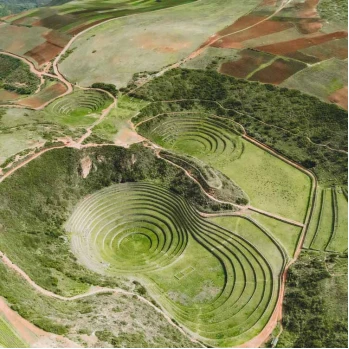
Capture More Than a Moment
Photography in the Andes blends technical skill with awareness and respect. Beginners who prepare for altitude, light, and environment produce stronger images over time. Experiences such as a Rainbow Mountain Peru day tour, a Sacred Valley tour, or a Seven Lakes tour offer varied conditions ideal for learning. Thoughtful photography preserves memory without disrupting place or people. For travelers seeking guidance that balances photography support with ethical travel values, Rainbow Mountain Expeditions offers experiences designed with care and respect. Contact them today.
About the Author
Alexandra Ruiz is a travel writer and amateur photographer with a strong interest in mountain regions and cultural storytelling. Her work focuses on helping beginners feel confident using cameras in challenging environments. She believes photography should prioritize respect, patience, and observation over speed or spectacle. When not writing, she practices visual documentation during small-group trips and outdoor excursions. Her goal is to make photography approachable without losing authenticity.