
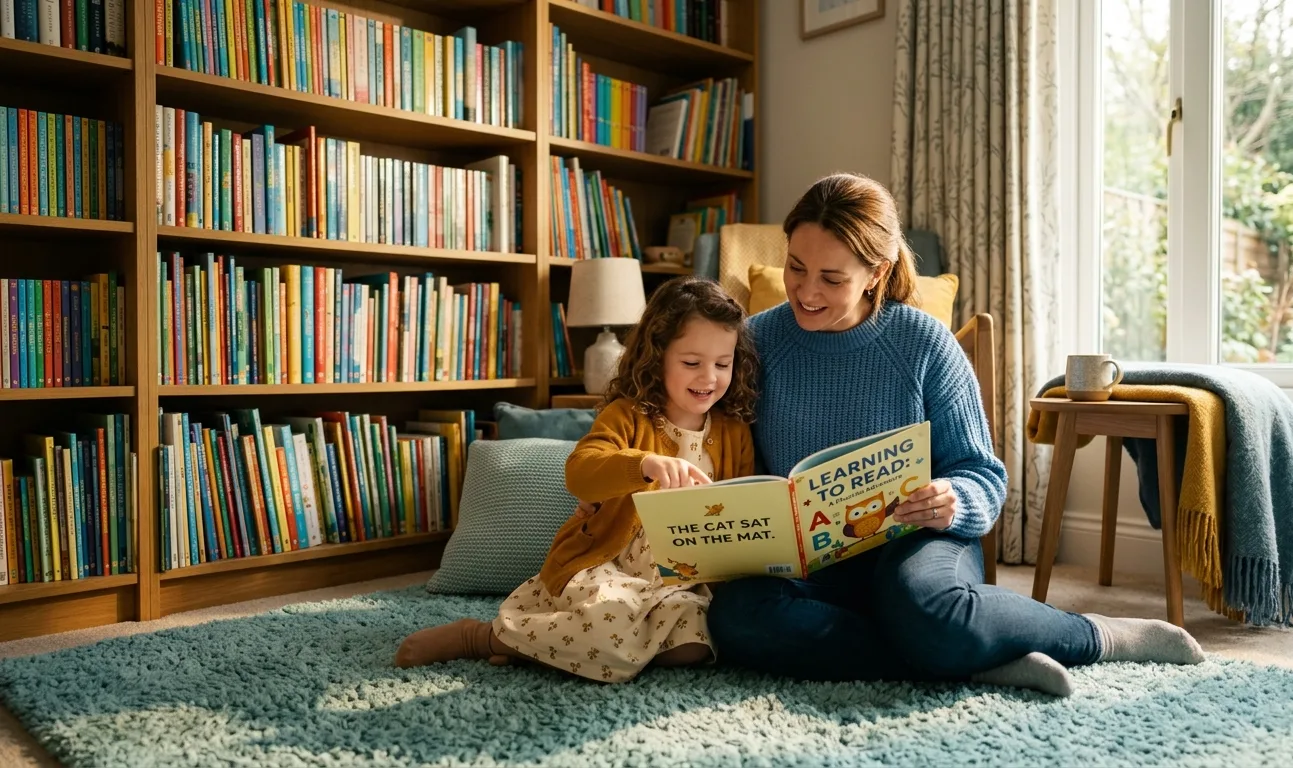
Learning to read is one of the most important milestones in a child’s educational journey. It shapes how children communicate, learn new ideas and understand the world around them. However, for many parents and educators, teaching reading can feel overwhelming, especially when children struggle to recognize sounds, blend words or stay engaged during lessons.
Fortunately, there is a highly effective solution that has helped millions of young learners develop reading confidence: phonics based children’s books. These books combine structured sound instruction with fun, engaging storytelling, making reading easier and more enjoyable for children.
In today’s educational environment, more parents and teachers are realizing the value of combining phonics and literacy for children with interactive reading experiences. Rather than relying solely on memorization, phonics-based learning helps children understand how language works. As a result, they become stronger, more confident readers.
In this blog, we will explore how kids phonics books support literacy development, why they are effective, how to use them alongside phonics and reading practice worksheets and how literacy expert author Cherry Carl continues to influence modern reading instruction.
Why Early Reading Skills Matter
To begin with, reading is the foundation of all education. Children who develop strong reading skills early often perform better in every subject area later in life. Reading impacts not only language arts but also math, science and problem-solving abilities.
More importantly, reading builds confidence. When children can successfully read books independently, they feel empowered and motivated to continue learning.
However, learning to read does not happen automatically. Children need structured instruction, consistent practice and engaging materials that support their developmental stage. This is why phonics based children’s books are so valuable in early literacy education.
Understanding Phonics and Literacy for Children
Before exploring the benefits of phonics books, it is important to understand what phonics actually means.
Phonics is the method of teaching children the relationship between letters and sounds. Instead of memorizing whole words, children learn how to decode words by blending sounds together.
For example:
- “C” makes the /k/ sound.
- “A” makes the short /a/ sound.
- “T” makes the /t/ sound.
When combined, children can read the word “cat.”
This process is at the heart of phonics and literacy for children. It gives young learners the tools they need to decode unfamiliar words independently rather than relying on guessing.
In addition, phonics strengthens spelling, pronunciation and vocabulary development. Over time, these skills contribute to overall literacy success.
What Makes Phonics Based Children’s Books Effective?
Unlike regular storybooks, phonics based children’s books are intentionally structured to reinforce sound patterns and reading skills.
Typically, these books include:
- Repetitive phonics patterns
- Controlled vocabulary
- Simple sentence structures
- Predictable text sequences
- Engaging illustrations
Because of this structure, children can practice decoding words in a manageable and supportive way.
For example, a beginner phonics book may focus heavily on short vowel sounds and repetitive words like:
- cat
- bat
- mat
- hat
This repetition helps children recognize patterns quickly and develop confidence through successful reading experiences.
Why Fun Matters in Reading Instruction
Children learn best when they are engaged. If reading feels stressful or boring, motivation quickly disappears. On the other hand, when reading feels playful and enjoyable, children naturally want to practice more often.
This is why the best kids phonics books combine education with entertainment.
Many effective phonics books include:
- Funny characters
- Rhyming language
- Colorful illustrations
- Interactive storytelling
- Predictable humor and repetition
These elements keep children interested while reinforcing important literacy skills.
As a result, reading practice feels less like homework and more like an enjoyable activity.
The Connection Between Reading Confidence and Fluency
Reading fluency is the ability to read smoothly, accurately and with expression. It develops gradually through repeated exposure to familiar words and sentence patterns.
Phonics based children’s books support fluency by:
- Reinforcing repeated sound patterns
- Encouraging repeated reading
- Reducing frustration through predictable text
- Building automatic word recognition
When children no longer struggle to decode every word, they can focus on understanding meaning and enjoying the story.
This shift is critical because comprehension improves dramatically once fluency develops.
Using Kids Phonics Books at Home
One of the biggest advantages of kids phonics books is their flexibility. They can easily be used in homeschooling, after-school practice or bedtime reading routines.
Parents can create effective reading sessions by:
1. Reading Together First
Model fluent reading before asking the child to read independently.
2. Focusing on Specific Sounds
Choose one phonics pattern to practice during each session.
3. Encouraging Repetition
Allow children to reread their favorite books as many times as they like.
4. Asking Questions
Discuss characters, settings and events to improve comprehension.
5. Celebrating Small Wins
Praise effort and progress to build confidence.
These simple strategies make reading instruction more engaging and less intimidating.
The Role of Phonics and Reading Practice Worksheets
While books provide essential reading practice, worksheets help reinforce specific skills. This is why many parents and teachers pair reading books with phonics and reading practice worksheets.
These worksheets may include:
- Letter-sound matching
- Word-building exercises
- Rhyming activities
- Sentence completion tasks
- Sight word practice
When used correctly, worksheets strengthen what children learn through reading.
For example, after reading a phonics story focused on the “sh” sound, children can complete a worksheet identifying words like:
- ship
- shell
- shop
- fish
This repetition strengthens sound recognition and improves retention.
However, worksheets should support reading, not replace it. Children still need meaningful reading experiences to develop full literacy skills.
Cherry Carl’s Contribution to Early Literacy Learning
One of the most respected figures in early literacy education is author Cherry Carl, known for her innovative and engaging approach to reading instruction.
Over her decades-long career, she has created:
- Educational songs
- Poetry collections
- Reading intervention materials
- Literacy-focused teaching programs
Her work emphasizes rhythm, repetition and phonics integration, which are all critical components of successful early reading instruction.
Importantly, her teaching philosophy focuses on making reading enjoyable and accessible for every child.
Because of this, many educators and homeschooling families continue to use her resources as part of their literacy instruction.
Why Rhythm and Rhyme Improve Literacy Skills
Children naturally respond to rhythm and rhyme. In fact, rhythmic language helps improve memory and sound recognition.
This is one reason why many phonics based children’s books include rhyming patterns and repetitive structures.
Rhythm and rhyme help children:
- Predict word endings
- Improve pronunciation
- Strengthen phonemic awareness
- Develop fluency naturally
Additionally, rhythmic reading makes reading feel playful rather than mechanical. This emotional engagement increases motivation and attention span.
Helping Struggling Readers Succeed
Not every child learns to read at the same pace. Some children may struggle with blending sounds or recognizing patterns. However, this does not mean they cannot become strong readers.
The key is providing the right support.
Parents and teachers can help struggling readers by:
- Slowing down instruction
- Using simpler kids phonics books
- Repeating phonics patterns frequently
- Offering encouragement without pressure
- Using visual and auditory learning tools
With consistent support and structured phonics instruction, many struggling readers make significant progress over time.
Building a Positive Reading Environment at Home
Environment matters more than many people realize. Children are more likely to enjoy reading when it feels comfortable and rewarding.
Parents can create a positive reading environment by:
- Setting aside daily reading time
- Creating a cozy reading corner
- Allowing children to choose books
- Reading together regularly
- Keeping books accessible throughout the home
When reading becomes part of everyday life, literacy skills improve naturally.
The Long-Term Benefits of Early Literacy Development
Strong early literacy skills benefit children far beyond elementary school. Children who become confident readers early are more likely to:
- Perform better academically
- Develop stronger communication skills
- Enjoy independent learning
- Build greater self-confidence
Moreover, reading helps children expand their imagination, empathy and critical thinking abilities.
Because of this, investing time in phonics and literacy for children is one of the most valuable things parents and educators can do.
Combining Creativity with Structure
The most effective literacy instruction balances structure with creativity.
Structure provides:
- Clear phonics progression
- Consistent practice
- Skill development
Creativity provides:
- Engagement
- Emotional connection
- Motivation to learn
This combination is what makes phonics based children’s books so powerful. They teach foundational skills while still making reading enjoyable and meaningful.
Final Thoughts
To conclude, learning to read should not feel frustrating or overwhelming for children. With the right resources, reading can become an exciting and rewarding experience.
Phonics based children’s books provide the structure children need to develop decoding skills while keeping learning fun and engaging. When combined with phonics and reading practice worksheets, they create a balanced approach that strengthens fluency, comprehension and confidence.
The role of kids phonics books in early education is especially important because they support independent learning and encourage consistent reading practice. Additionally, the work of literacy expert Cherry Carl continues to inspire educators and parents through creative, research-based literacy instruction.
Ultimately, when children are given supportive reading experiences, they do more than learn words on a page; they develop the confidence, curiosity and lifelong love of reading that support success in every area of life.