
A swimming pool should feel refreshing, clean, and safe. But keeping pool water in good condition requires more than simply filling it and adding chlorine. One of the most important parts of pool care is managing the water’s pH balance. If the pH level is too high or too low, it can cause cloudy water, skin irritation, and even damage to your pool equipment.
That’s where pool balancing Chemicals come in. These products help keep the water at the right level so swimmers stay comfortable and your pool stays in great shape. Fortunately, understanding pH balance isn’t as complicated as it sounds.
In this guide, we’ll explain what pH balance means, why it matters, and how simple products like Pool Breeze pH Decreaser can help keep your pool water crystal clear. Everything will be explained in everyday language so anyone can understand it.
What Does pH Mean in a Pool?
The term “pH” simply measures how acidic or basic water is. Think of it like a scale from 0 to 14.
- Lower numbers mean the water is more acidic.
- Higher numbers mean it is more basic (sometimes called alkaline).
- A pH of 7 is neutral.
For swimming pools, the ideal pH range is usually between 7.2 and 7.6. This range keeps the water comfortable for swimmers and helps other pool chemicals work properly.
You can imagine pH balance like seasoning food. If a dish has too much salt, it tastes unpleasant. If it has none, it’s bland. But when the seasoning is just right, everything tastes perfect. Pool water works the same way—balance makes all the difference.
Why Proper pH Balance Matters
Many pool owners focus mainly on chlorine. While chlorine is important for killing bacteria, it cannot do its job well if the pH level is off.
Here are several reasons pH balance matters.
1. Swimmer Comfort
Water with incorrect pH can irritate eyes and skin. If swimmers complain about burning eyes or dry skin, the pH level could be part of the problem.
Balanced water feels smoother and more comfortable, making the swimming experience much more enjoyable.
2. Clear Water
Improper pH can make pool water look dull or cloudy. When the balance is correct, the water stays bright and inviting.
3. Protecting Pool Equipment
High or low pH levels can slowly damage metal parts, pool liners, filters, and pumps. Over time, this can lead to expensive repairs.
Keeping the pH balanced helps extend the life of your pool equipment.
4. Helping Chlorine Work Better
Chlorine works best when the pH level is within the recommended range. If the water becomes too alkaline, chlorine becomes less effective, meaning you may need to use more of it.
Balanced water allows chlorine to do its job efficiently.
What Causes pH Levels to Change?
Even if your pool starts perfectly balanced, the pH level can change over time. Several everyday factors affect it.
Rain
Rainwater often has a lower pH level. Heavy rain can push pool water toward the acidic side.
Swimmers
Believe it or not, swimmers affect pool chemistry. Sweat, body oils, sunscreen, and lotions all enter the water and influence pH levels.
Pool Chemicals
Some pool products naturally raise or lower pH as they work.
Debris and Organic Matter
Leaves, dirt, and insects that fall into the pool can also affect water balance.
Because of these factors, regular testing is important.
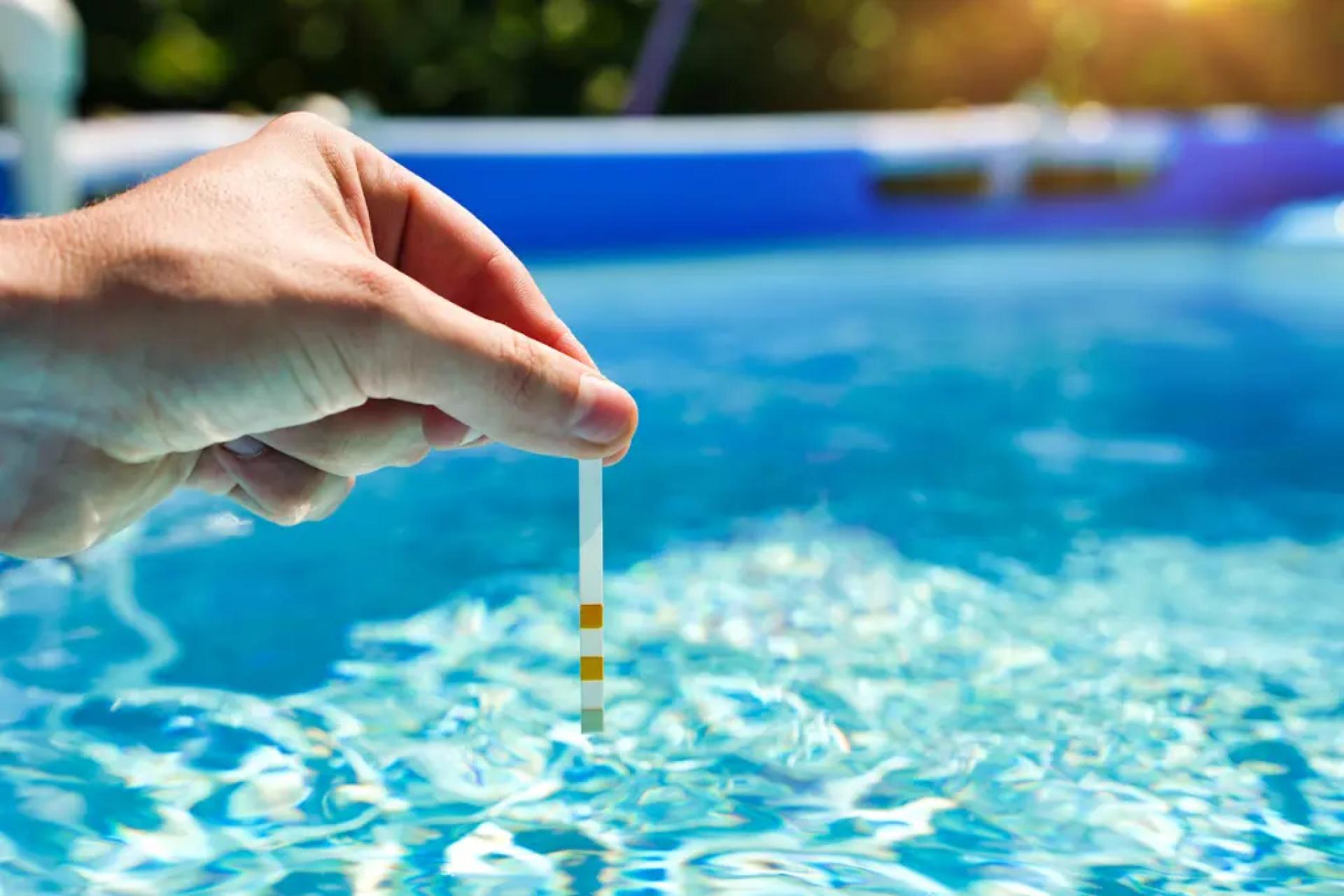
How to Test Your Pool’s pH
Testing pool water is simple and quick. Most pool owners use either:
- Test strips
- Liquid testing kits
- Digital pool testers
To test your water, you collect a small sample and check the color result against a chart. Within seconds, you can see whether the pH is too high, too low, or just right.
Experts usually recommend testing pool water at least two or three times per week, especially during peak swimming season.
What Happens When pH Is Too High?
When pH climbs above the ideal range, the water becomes too alkaline. This can cause several noticeable issues.
Cloudy Water
High pH often leads to cloudy or dull-looking water.
Scale Buildup
Minerals in the water can begin forming hard deposits on pool surfaces and equipment.
Reduced Chlorine Efficiency
Chlorine loses some of its cleaning power when pH levels rise too high.
Rough Feeling Water
The water may feel less smooth and slightly irritating to swimmers.
When this happens, a pH-lowering product is needed.
Lowering pH with Pool Chemicals
To bring high pH levels back down, pool owners use special balancing products. One example is Pool Breeze pH Decreaser, which helps safely reduce alkalinity in pool water.
These products usually contain dry acid that dissolves quickly when added to water. Once mixed into the pool, they gently lower the pH level until it reaches the recommended range.
Using them is generally straightforward:
- Test your pool water.
- Determine how much product is needed.
- Add the recommended amount to the pool.
- Allow the water to circulate.
- Test again to confirm the balance.
Many pool owners purchase these products through reliable suppliers such as Ever Klear Pool Supply, which offers a wide range of pool maintenance solutions.
What Happens When pH Is Too Low?
Low pH means the water is too acidic. This can also create problems.
Eye and Skin Irritation
Acidic water can feel harsh and uncomfortable for swimmers.
Corrosion
Low pH can slowly eat away at metal ladders, pool pumps, and heaters.
Damaged Pool Surfaces
Tiles, plaster, and vinyl liners can degrade faster in acidic water.
Fading Equipment
Pool accessories and surfaces may lose their color over time.
In these situations, a product known as a pH increaser is used to raise the pH level.
How Often Should You Adjust Pool pH?
Most pools require minor adjustments every week or two, depending on usage and weather conditions.
You might need to adjust pH more frequently if:
- Many people swim regularly
- The pool receives heavy rainfall
- Temperatures are very high
- The pool has a high mineral content
Regular testing allows you to correct small changes before they turn into bigger issues.
Simple Tips for Maintaining Balanced Pool Water
Maintaining balanced water does not have to be complicated. A few consistent habits make a big difference.
Test the Water Regularly
Checking the water several times each week helps you catch changes early.
Clean the Pool Often
Removing leaves and debris prevents organic materials from affecting water chemistry.
Run the Pool Filter Daily
Circulating the water helps distribute chemicals evenly.
Follow Chemical Instructions
Always use the recommended amounts when adding balancing products.
Store Pool Chemicals Safely
Keep all chemicals in a cool, dry place away from direct sunlight and moisture.
Choosing Quality Pool Chemicals
Not all pool chemicals are the same. Reliable products dissolve properly, work efficiently, and maintain stable water conditions.
When purchasing pool supplies, it helps to work with trusted providers. Companies like Ever Klear Pool Supply offer dependable options that make pool maintenance easier for both new and experienced pool owners.
Buying quality chemicals often saves time and money because they work more consistently.
The Role of Pool Ph Balancer
Maintaining proper water chemistry is essential for keeping a pool safe, comfortable, and visually appealing. That’s why ph balance pool chemicals play such an important role in regular pool maintenance.
These products help maintain the ideal environment where chlorine works effectively, swimmers stay comfortable, and pool equipment lasts longer.
Without proper balance, even a well-maintained pool can quickly develop problems.
Conclusion
Keeping your swimming pool in great condition starts with understanding pH balance. While the term may sound technical, the concept is actually quite simple. Pool water should stay within a specific range so swimmers feel comfortable and pool equipment remains protected.
Regular testing, routine cleaning, and the proper use of balancing products make the process manageable for any pool owner. When pH levels rise too high, products like Pool Breeze pH Decreaser help bring the water back into balance quickly and safely.
With the right tools and reliable suppliers such as Ever Klear Pool Supply, maintaining clear and healthy pool water becomes a straightforward part of your routine.
A balanced pool doesn’t just look better—it also feels better, lasts longer, and provides a safer place for everyone to enjoy the water.