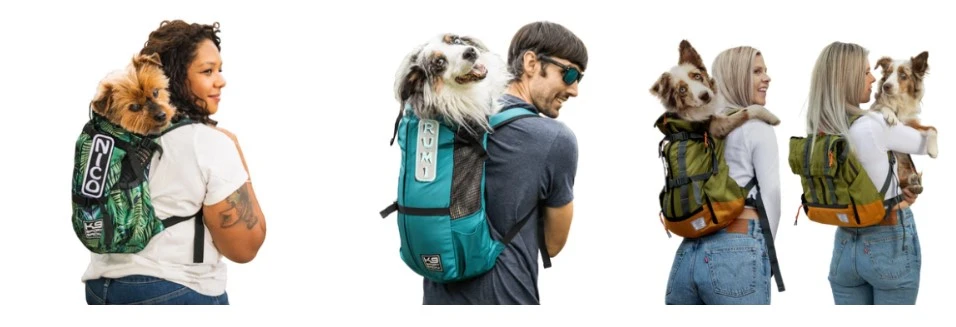
One of the greatest ways to enjoy nature and strengthen your relationship with your pet is to go hiking with them. However, even the most active animals can become exhausted when the journey becomes lengthy or the terrain becomes difficult. A pet carrier backpack then becomes a necessary piece of equipment. Having the proper setup can make all the difference, whether you're taking your daring cat on a woodland walk or allowing your pooch to rest after a few strenuous kilometres.
Rough trails and lengthy hikes require more than a simple carrier. To keep your pet comfortable and secure, they need preparation, training, and a little ingenuity.
Start with the Right Pet Carrier Backpack
Arguably, the most crucial aspect of hiking preparation is selecting the appropriate pet carrier backpack. Not every carrier is designed to withstand trail conditions. Look for a carrier made especially for active use on rough terrain. Something with sturdy materials, supportive shoulder straps, and adequate ventilation is what you'll want. For improved support, a lot of hiking-grade carriers have waist and chest straps to assist distribute the weight equally.
You may move freely while your pet feels safe and supported in a well-structured carrier. It's a good idea to look for a pet carrier that Singapore outdoor enthusiasts recommend if you're shopping in Southeast Asia or other tropical regions because these carriers are frequently made with breathable mesh and heat-friendly fabrics to withstand humid conditions.
Train Before You Hit the Trail
When a pet owner introduces their rucksack to the trail for the first time, they frequently make a mistake. It takes some time for your pet to get used to the feel and surroundings of the carrier, much like breaking in new hiking boots. Begin modestly. At home, set the rucksack on the floor and let your pet investigate it. Wear it about the house once they feel at ease, and then take them for quick strolls around the neighborhood.
Your pet will start to identify the carrier with enjoyment and safety if you are consistent and provide positive reinforcement, such as treats and soft praise. When utilising a puppy backpack carrier for a young dog, this is particularly crucial. Positive early exposure will lessen anxiety and foster trust.
Pack Thoughtfully Without Overloading
Weight control is one of the most disregarded difficulties of trekking with a pet. Although it may seem like you should bring everything your pet could possibly require, your shoulders will appreciate it if you don't. Only include the necessities, such as waste bags, food, collapsible water bowls, and a portable cooling pad or towel for breaks.
Place heavier objects, such as water bottles, at your back and at the bottom of the backpack to try to balance the weight. Consider fastening a tiny pouch to your waist strap for convenient access to water or goodies if your carrier is devoid of storage spaces.
Stay Aware of Temperature and Terrain
Always priorities your pet's comfort and safety, which includes keeping an eye out for variations in trail conditions and temperature. Your pet may be at risk of overheating if you walk in warmer areas, such those seen on Southeast Asian trails. Because Singapore manufacturers' pet carriers are frequently constructed with lighter materials and additional ventilation, this is another reason why many pet owners choose them.
Offer water frequently and take frequent rests in areas with shade. Your pet is still using energy just by maintaining their balance and shifting positions, even if they are in the carrier. To avoid unexpected shocks that could frighten or disturb your pet, walk carefully and pay attention to your footing when on rough or uneven ground.
Don’t Skip the Breaks
Make it a habit to take breaks during lengthy hikes, even if your pet appears to be doing well in the carrier. Allow your pet to get some fresh air, stretch their legs, and use the restroom. This is particularly crucial for cats and dogs that aren't accustomed to being contained for extended periods of time.
You can also observe your pet's body language during breaks. Are they breathing too much? Moving about a lot? These might indicate discomfort or tension. Before returning to the route, make any necessary adjustments to the carrier, provide water, and take your time.
Keep Safety Front of Mind
Although it may seem tempting to let your pet travel unrestrained in the backpack, it is better to use any tethers or built-in clips that fasten to a harness (never a collar). This keeps them from suddenly jumping out if they are startled.
Having a few emergency supplies on hand is also a good idea in case of unforeseen circumstances. For example, a small bottle of disinfectant, bandages, tick remover, and pet-safe insect repellant can be quite helpful if your pet gets bitten or scratched while travelling.
Post-Hike Recovery Matters Too
Allow your pet to rest and rehydrate after the walk. Being carried in a puppy backpack carrier can be exhausting, even if they did not travel the entire trail themselves. This is particularly true on uneven or hilly terrain where they must continually alter their balance. More water, a comfortable place to sleep, and a light paw massage will speed up their recuperation.
It's also crucial to clean your pet carrier backpack after each hike. To keep it clean and ready for your next excursion, clean the inside, shake off any dirt or fur, and let it air out. A lot of high-quality carriers have washable and detachable lining, which simplifies upkeep.
Final Thoughts
Hiking with your pet is more than simply an exercise activity; it's an opportunity to explore the outdoors, make memories together, and spend quality time together in a completely different environment. Hikes can become an activity that you and your pet look forward to if you prepare ahead of time and have the appropriate equipment.
These tips will help you maximise your time on the trail, whether you're looking for a lightweight pet carrier Singapore pet owners rely on for urban and tropical adventures or using a tough puppy backpack carrier for an active young dog. A little preparation goes a long way, and the work is always worthwhile when the pet is content and safe.