Pemphigus is a rare autoimmune blistering disorder that affects the skin and mucous membranes. It can cause fragile blisters, painful sores, and erosions inside the mouth or on other parts of the body. Although it is uncommon, early diagnosis and appropriate medical treatment are important because untreated disease can lead to significant discomfort, infection, and complications.
People searching for pemphigus medicine often want to understand how the condition is treated, which medicines may be prescribed, and what precautions are necessary during long-term care.
Pemphigus requires specialist assessment because different blistering disorders can look similar but may need different treatment approaches. This article explains the condition, common symptoms, diagnostic methods, treatment options, and practical care considerations.
What Is Pemphigus?
Pemphigus refers to a group of autoimmune disorders in which the immune system mistakenly produces antibodies against proteins that help skin cells remain attached to one another.
When these connections are disrupted, the skin becomes fragile and blisters may develop. The blisters can break easily, leaving painful open areas.
The two commonly recognised forms include:
- Pemphigus vulgaris: Often affects the mouth and may also involve the skin.
- Pemphigus foliaceus: Usually affects the outer layers of the skin and generally does not cause the same type of deep oral involvement.
Other less common forms also exist. Identifying the specific type is important for selecting appropriate treatment.
Common Symptoms of Pemphigus
Symptoms can vary according to the type of pemphigus and the areas affected.
1. Painful Mouth Sores
In pemphigus vulgaris, mouth sores may appear before visible skin blisters. These sores can make eating, drinking, and speaking uncomfortable.
2. Fragile Skin Blisters
Blisters may develop on the chest, back, scalp, face, or other areas. They can rupture easily and leave raw skin.
3. Skin Erosions
After blisters break, exposed areas may become painful and sensitive. Healing can take time, particularly when new blisters continue to form.
4. Discomfort While Eating
Oral lesions may make spicy, acidic, or hard foods difficult to tolerate.
5. Secondary Skin Infection
Open skin areas can become infected. Increasing redness, swelling, discharge, fever, or worsening pain should be medically assessed.
6. Scalp Involvement
Some people develop blisters or erosions on the scalp, which may cause discomfort and require gentle skin care.
Not every patient experiences all these symptoms. The pattern of involvement helps doctors determine the likely type of pemphigus.
What Causes Pemphigus?
Pemphigus is an autoimmune condition. The immune system produces antibodies that target proteins involved in maintaining connections between skin cells.
The exact reason why this abnormal immune response develops is not fully understood.
Factors that may be relevant in some cases include:
- Genetic susceptibility.
- Immune-system abnormalities.
- Certain medication exposures.
- Individual environmental influences.
Some medicines have been associated with drug-induced pemphigus-like conditions. Patients should share a complete medication history with their doctor rather than stopping prescribed treatment independently.
Pemphigus is not contagious. It cannot spread from one person to another through physical contact.
How Is Pemphigus Diagnosed?
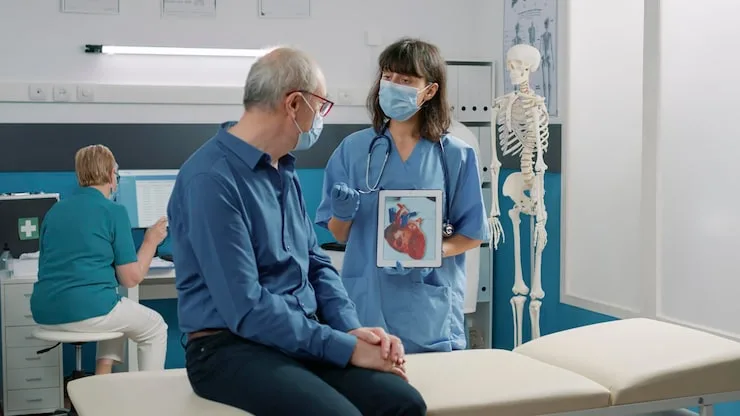
A dermatologist usually evaluates suspected pemphigus through a combination of clinical examination and specialised investigations.
1. Skin and Oral Examination
The doctor examines the appearance, location, and distribution of blisters or erosions. The history of symptoms and medication use is also reviewed.
2. Skin Biopsy
A small skin sample may be collected to examine the tissue under a microscope. This can help identify the pattern of separation between skin cells.
3. Direct Immunofluorescence
A biopsy from suitable skin near an affected area may be examined for deposits of antibodies and other immune proteins.
This investigation is an important part of confirming an autoimmune blistering disorder.
4. Blood Tests
Blood tests may identify antibodies associated with pemphigus, including antibodies against desmoglein proteins.
The results are interpreted alongside examination and biopsy findings. No single blood test should be considered independently of the overall clinical picture.
When Is Pemphigus Medicine Needed?
People searching for pemphigus medicine are usually looking for treatments that reduce abnormal immune activity and help control blister formation.
The treatment plan depends on:
- The type of pemphigus.
- The amount of skin or mucosal involvement.
- Disease activity and severity.
- Previous treatment response.
- Other medical conditions.
- The risks associated with individual medicines.
The main goals are to control new blister formation, support healing, reduce complications, and maintain quality of life.
Understanding Pemphigus Treatment Options
1. Corticosteroids
Corticosteroids may be prescribed to reduce inflammation and suppress the immune response.
They can be used in different forms depending on the severity and location of disease. More extensive disease may require systemic treatment under specialist supervision.
Long-term corticosteroid use can cause complications such as increased blood sugar, high blood pressure, infection risk, bone loss, and changes in body weight.
Doctors may therefore monitor patients and adjust treatment carefully.
2. Rituximab
Rituximab is a biologic medicine that targets certain B cells involved in antibody production.
It is an established treatment option for many patients with moderate-to-severe pemphigus vulgaris. Its suitability depends on the diagnosis, treatment history, and individual risk factors.
Patients may require screening and monitoring for infections and other potential complications before and during treatment.
3. Other Immunosuppressive Medicines
Medicines such as azathioprine or mycophenolate mofetil may be considered in selected patients.
These medicines reduce immune activity and may be used as part of a specialist-directed treatment plan.
Regular monitoring may include blood counts and liver-function tests, depending on the medicine prescribed.
4. Treatment for Infections and Wound Care
Open blisters and erosions need appropriate skin care. Doctors may recommend wound-care measures and assess whether an infection requires specific treatment.
Antibiotics are not automatically required for every blister or erosion. They are used when there is a clinical reason to suspect or confirm bacterial infection.
Understanding Pemphigus and Other Autoimmune Conditions
Pemphigus is different from several other autoimmune diseases that affect the skin, joints, or internal organs.
For example, pemphigoid medicine relates to a separate group of autoimmune blistering disorders. Pemphigoid generally involves a different level of skin separation and has distinct diagnostic features.
Similarly, lupus medicine is used in the management of lupus, an autoimmune condition that can affect multiple organs. It is not automatically a treatment for pemphigus.
People researching arthritis medicine should also understand that autoimmune diseases may sometimes occur together, but each condition requires its own assessment and treatment strategy.
A dermatologist or relevant specialist should confirm the diagnosis before any medicine is selected.
Daily Skin and Mouth Care
Alongside prescribed treatment, gentle daily care can help reduce discomfort and protect damaged skin.
1. Protect Fragile Skin
Avoid unnecessary rubbing, scratching, and friction over affected areas. Choose comfortable clothing that does not irritate the skin.
2. Follow Wound-Care Advice
Use dressings and skin-care products recommended by the treating healthcare professional. Avoid applying unverified home remedies to open lesions.
3. Maintain Oral Hygiene
Use gentle oral-care practices if mouth lesions are present. A dentist or doctor can recommend suitable products and techniques.
4. Choose Comfortable Foods
Soft foods may be easier to eat when oral sores are painful. Adequate hydration and nutrition are important, particularly when eating becomes difficult.
5. Watch for Infection
Increasing pain, warmth, redness, discharge, fever, or rapidly worsening skin lesions should be reported to a healthcare professional.
Why Regular Monitoring Is Important
Pemphigus treatment may involve medicines that suppress immune activity. Regular medical reviews help assess treatment response and identify possible complications.
Monitoring may include:
- Checking whether new blisters are developing.
- Assessing healing of existing lesions.
- Reviewing mouth and skin involvement.
- Monitoring blood counts and liver function when required.
- Assessing infection risk.
- Reviewing corticosteroid-related complications.
- Adjusting treatment according to disease activity.
Patients should not stop corticosteroids or immunosuppressive medicines suddenly unless instructed by their treating doctor.
When Should You Seek Medical Advice?
Consult a dermatologist if you develop unexplained blisters, persistent mouth sores, or skin erosions that do not heal.
Seek prompt medical attention if you experience:
- Rapidly spreading blisters or extensive skin loss.
- Fever or signs of skin infection.
- Severe mouth pain that prevents eating or drinking.
- Signs of dehydration.
- Eye involvement or changes in vision.
- Significant worsening after starting a medicine.
Severe symptoms or rapidly deteriorating skin condition may require urgent medical care.
Frequently Asked Questions
1. Is pemphigus contagious?
No. Pemphigus is an autoimmune condition and does not spread through touching, sharing food, or ordinary personal contact.
2. Can pemphigus affect the mouth?
Yes. Pemphigus vulgaris commonly affects the oral mucosa and can cause painful sores that interfere with eating and drinking.
3. Is pemphigus curable?
Treatment can help control disease activity and achieve remission in some patients. However, the course varies, and continued monitoring may be necessary.
4. Is rituximab used for pemphigus?
Yes. Rituximab is an established treatment option for many patients with moderate-to-severe pemphigus vulgaris. A specialist determines whether it is appropriate.
5. Is pemphigus the same as pemphigoid?
No. They are separate autoimmune blistering disease groups with different diagnostic features and treatment considerations.
6. Should pemphigus medicines be stopped when blisters improve?
No. Treatment should only be reduced or stopped according to the treating specialist's instructions. Sudden changes may lead to disease worsening or other complications.
Contact ArthritisMedicine
For information about medicine-related options and available resources, visit ArthritisMedicine.
Website: https://www.arthritismedicine.in/
Medicine Page: https://www.arthritismedicine.in/medicines/
Address: 500/A, 1st G Cross, 8th Main, 4th Block, 3rd Stage, Basaveshwarnagar, Bangalore – 560079
Phone: +91 99168 40444
Email: support@arthritismedicine.in
Pemphigus requires accurate diagnosis, specialist-guided treatment, and regular follow-up. Understanding symptoms, protecting fragile skin, maintaining nutrition, and following prescribed treatment can support better long-term disease management. Always consult a qualified healthcare professional before starting, changing, or stopping any medicine.