
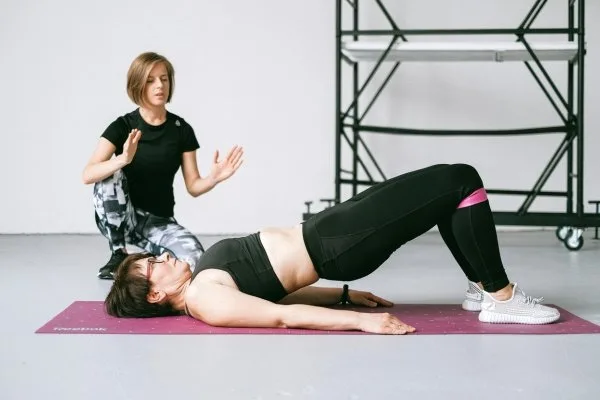
Bladder leakage during coughing, sneezing, running or lifting can feel frustrating, but it is also something physiotherapy may help manage. One area commonly addressed is the Pelvic Floor Muscle group, which sits at the base of the pelvis and supports the bladder, bowel and other pelvic organs.
These muscles also work with the abdominal muscles, diaphragm and muscles around the spine during movement. When their strength, timing or coordination is reduced, a person may notice urine leakage, urgency or difficulty managing pressure during physical activity.
Research supports pelvic floor muscle training as a conservative option for urinary incontinence.
What Does the Pelvic Floor Muscle Do?
The Pelvic Floor Muscle group stretches across the bottom of the pelvis. It helps support pelvic organs and contributes to bladder and bowel control.
These muscles need more than strength alone. They also need to contract and relax at suitable times. For instance, coughing creates a sudden rise in pressure inside the abdomen. A well-coordinated pelvic floor responds to help support the bladder and urethra.
This explains why pelvic floor care is not simply about repeatedly squeezing the muscles. Timing, control, relaxation and coordination all matter.
How Pelvic Floor Muscle Training Supports Bladder Control
Pelvic floor muscle training involves repeated, intentional contractions followed by proper relaxation. Over time, suitable training may improve muscle strength, endurance and control.
For people with stress urinary incontinence, improved muscle function may help support the urethra when abdominal pressure rises during coughing, sneezing, lifting or running.
Recent research continues to support pelvic floor muscle training for urinary incontinence. A 2026 systematic review involving older women found that pelvic floor muscle training reduced urinary incontinence severity compared with usual care.
Why Targeted Physiotherapy Matters
It is easy to assume that every person with bladder leakage needs the same training routine. Pelvic health problems are more individual than that.
Some people may have reduced pelvic floor strength, while others may have difficulty relaxing the muscles. Another person may contract the wrong muscles or hold their breath while attempting a pelvic floor contraction.
A physiotherapist can assess symptoms, movement patterns and muscle function before planning suitable training. Depending on the person, sessions may involve pelvic floor contractions, relaxation practice, breathing control, bladder habits and movement retraining.
At Go Run Go Physio, physiotherapy can provide a structured approach based on the person's symptoms, physical demands and daily activities rather than relying on a standard routine.
The Link Between Pelvic Floor Function and Core Stability
Core stability involves coordinated activity between several muscle groups rather than one isolated abdominal muscle. The diaphragm, abdominal wall, spinal muscles and pelvic floor contribute to managing pressure and supporting the trunk during movement.
Breathing is part of this process. When breathing patterns and pelvic floor activity work together, the body can manage internal pressure more efficiently during lifting, walking, running and other physical tasks.
This is why pelvic floor physiotherapy may consider the whole trunk rather than focusing only on one muscle group.
Why Technique Matters During Training
Doing more repetitions is not always the answer. A person needs to identify the correct muscles and allow them to relax between contractions.
Poor technique may involve squeezing the buttocks, tightening the thighs, holding the breath or pushing downward instead of lifting the pelvic floor.
Physiotherapy guidance can help a person understand what a correct contraction should feel like. Some clinicians may also use feedback methods when appropriate. Research suggests that pelvic floor training itself is effective, while adding biofeedback does not always provide a meaningful extra improvement for urinary incontinence outcomes.
When Should Someone Consider Pelvic Floor Physiotherapy?
Physiotherapy may be worth discussing when bladder leakage occurs during running, coughing, sneezing, jumping or lifting. It may also be considered when urinary urgency, pelvic heaviness or changes after pregnancy and childbirth affect daily life.
Symptoms can have different causes, so an individual assessment is useful before starting a training program. Persistent symptoms, pain, blood in the urine or sudden changes in bladder function should also be discussed with an appropriate health professional.
Frequently Asked Questions
1. What is the Pelvic Floor Muscle?
The pelvic floor is a group of muscles and connective tissues at the bottom of the pelvis. These muscles support pelvic organs and assist with bladder and bowel control.
2. Can pelvic floor training help bladder leakage?
Research indicates that pelvic floor muscle training can reduce urinary incontinence symptoms for many women. Results depend on the type of bladder problem, correct technique and consistency.
3. How does pelvic floor physiotherapy help core stability?
The pelvic floor works with the diaphragm, abdominal wall and spinal muscles to manage internal pressure and support the trunk during movement.
4. How long does pelvic floor training take to work?
There is no single timeframe for everyone. Progress depends on symptoms, muscle function, training frequency, technique and individual health factors.
5. Is pelvic floor training only for women after childbirth?
No. Pelvic floor problems can occur at different stages of life and for several reasons. An assessment can help identify what type of physiotherapy may suit the person's symptoms.