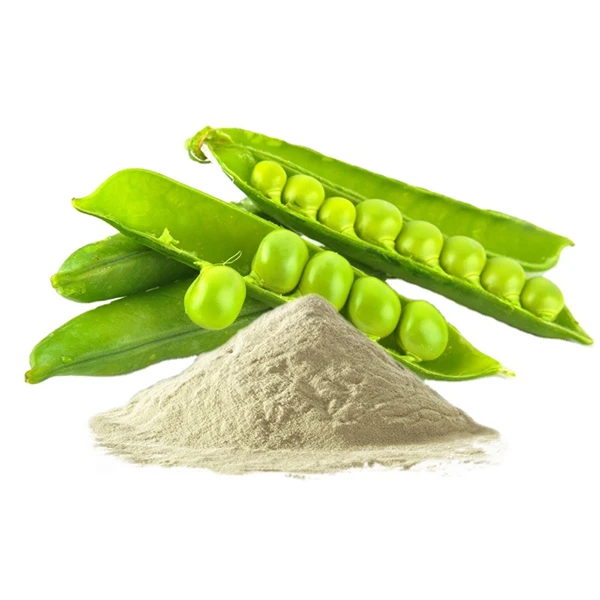
The global pea fiber market is witnessing robust expansion, largely propelled by increasing consumer demand for natural, recognizable ingredients in processed foods. As shoppers become more health- and sustainability-conscious, food manufacturers are shifting formulations to incorporate wholesome, plant-based fibers like pea fiber. This is reshaping product development, innovation, and competitive dynamics across the processed food sector.
Why Natural Ingredients Are Now Pivotal in Processed Foods
Processed food has long carried a stigma among some consumers for being loaded with artificial or highly refined components. In response, there's a strong movement toward “clean labels” — simpler, more transparent ingredient lists — and natural or plant‑derived components. Pea fiber fits neatly into these trends. It is derived from peas, often from by-products of pea protein or starch extraction, which improves efficiency and reduces waste. Its functional properties (texture, moisture retention, water binding, structural support) make it a viable substitute or complement to synthetic fibers, gums, or stabilizers in processed foods.
Moreover, consumers are more knowledgeable than before about health effects—fiber intake, gut health, and digestive wellness are no longer niche concerns. When a processed product can claim natural fiber, minimal processing, non-GMO, and plant origin, it gains trust. Brands that fail to adapt risk losing market share to those that proactively respond to this preference.
Key Processed Food Applications Fueling Demand
Several processed food categories are leading the way in incorporating pea fiber for its natural ingredient profile:
- Bakery & Baked Goods
- Bread, muffins, cookies, cakes, and gluten‑free bakery items are being reformulated with pea fiber to enhance texture, moisture retention, and to increase fiber content. Pea fiber can help maintain softness and freshness, addressing common issues in fiber-enriched bakery products.
- Meat Alternatives & Processed Meats
- As plant-based meats grow in popularity, manufacturers use pea fiber to improve juiciness and texture, helping meatless products mimic traditional meat more convincingly. Even in conventional processed meats, pea fiber may be used to reduce dependence on synthetic binders and enhance the nutritional profile.
- Snacks, Cereals & Convenience Foods
- Breakfast cereals, nutrition bars, snack mixes, and meal-replacement products leverage pea fiber to add bulk, improve satiation, and provide digestive benefits. Natural labeling adds marketing value in these competitive segments.
- Sauces, Dressings & Beverages
- Pea fiber in fine or modified form can help thicken sauces and dressings naturally, replace some synthetic thickeners, and improve mouthfeel. In beverages and smoothies, soluble and fine pea fiber can contribute fiber without overly affecting clarity or taste if processed well.
Growth Drivers: What’s Accelerating Adoption
- Clean‑Label & Simplicity: Consumers want fewer, more recognizable ingredients. Ingredient labels featuring “pea fiber” are generally viewed more positively than unfamiliar text, artificial additives, or long chemical names.
- Health Awareness: Rising interest in digestive wellness, gut microbiome health, obesity prevention, and metabolic health has increased attention to fiber in the diet. Pea fiber offers a natural way to boost fiber content in processed foods.
- Plant‑Based & Flexitarian Diets: As more people reduce meat consumption or adopt plant‑forward eating patterns, ingredients like pea fiber that come from legumes are in trend. They support vegetarian and vegan claims, as well as flexitarian labeling.
- Sustainability & Waste Reduction: Pea fiber often uses hulls or by‑products of pea processing. This contributes to circular economy efforts, reduces waste, and enhances resource efficiency — which resonates with environmentally conscious consumers.
- Regulatory & Labeling Support: In many markets, regulations or consumer preference push for transparency, including fiber content claims and natural ingredient declarations, creating incentives for companies to use natural fibers.
Challenges to Overcome
While the momentum is strong, there are hurdles for wider adoption:
- Sensory & Texture Issues: At high inclusion rates, fiber can lead to gritty mouthfeels, dryness, or off texture. Manufacturers need to optimize particle size, processing method, and formulation carefully.
- Cost of Processing & Supply Consistency: Producing pea fiber that meets strict clean-label, non-GMO, or organic standards, with fine particle size and low off-flavor, involves investment. Also, raw pea crop yields and quality may vary by region and season.
- Labeling & Regulatory Variation: Standards for what constitutes “natural” or “clean label” differ across regions; fiber content claims and allowable processing steps may be regulated. Navigating this patchwork can be complex.
- Consumer Acceptance: While trends favor natural ingredients, taste, texture, and price remain top priorities. If a natural ingredient compromises flavor or price too much, it can hurt adoption.
Strategic Recommendations for Manufacturers & Industry Stakeholders
To harness the expansion driven by natural ingredient demand, the following strategies may be effective:
- Invest in Product & Process Innovation: Develop pea fiber grades with finer particle size, better flavor neutralization, and optimized water binding so that inclusion in processed foods doesn’t compromise sensory appeal.
- Formulate Blends Strategically: Use pea fiber in combination with other natural fibers, proteins, or starches for balanced performance — texture, stability, moisture retention — while maintaining clean-label status.
- Supply Chain Resilience & Traceability: Secure reliable sources of high-quality peas, possibly from by-product streams. Implement transparent sourcing and perhaps certifications (non-GMO, organic) to align with consumer trust.
- Educate Consumers & Marketing Messaging: Clearly communicate what pea fiber is, its natural origin, and its benefits (fiber, texture, sustainability). Clean, honest labeling and storytelling help differentiate.
- Target Key Processed Food Segments: Focus R&D and marketing efforts in bakery, plant-based meats, snacks, and sauces — where the benefit of natural fiber is highly valued and where clean-label expectations are high.
Outlook
The pea fiber market is positioned for accelerated growth as natural ingredient trends continue to shape processed food innovation. Brands that align with clean-label demands, meet sensory expectations, and demonstrate sustainability will be best placed to win. Pea fiber is more than an ingredient for fiber enrichment — it is becoming a strategic tool for manufacturers to deliver on health, transparency, and environmental values simultaneously.