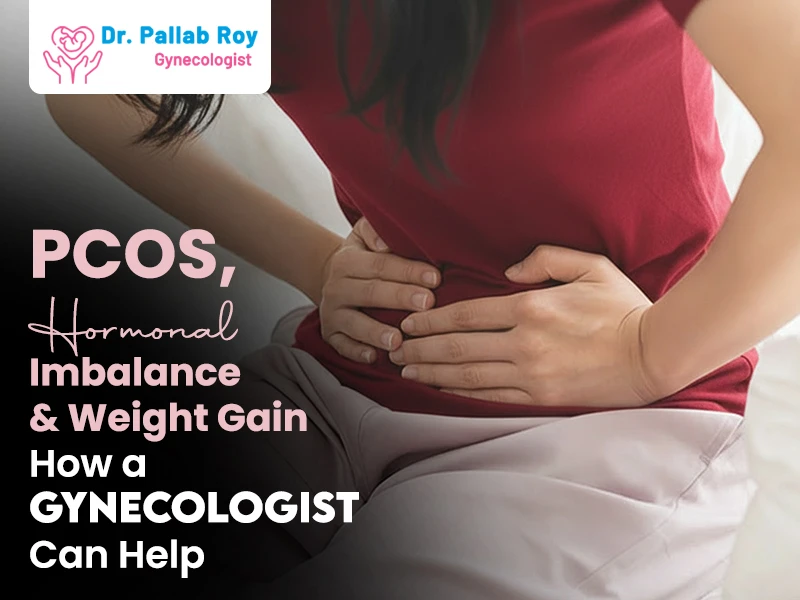
Many women notice something slowly changing in their bodies. Periods become irregular. Weight increases even without major changes in diet. Acne appears suddenly, or hair begins to thin. These symptoms often feel confusing and frustrating.
In many cases, these changes are linked to PCOS (Polycystic Ovary Syndrome) and hormonal imbalance. PCOS is one of the most common hormonal conditions affecting women of reproductive age. It can influence menstrual cycles, metabolism, fertility, and overall health.
The good news is that with proper medical guidance, PCOS can be managed effectively. Consulting an experienced pcos doctor in kolkata like Dr Pallab Roy can help identify the underlying cause and guide you toward the right treatment plan.
What Is PCOS and Why Does It Happen?
PCOS is a hormonal condition in which the ovaries produce higher levels of male hormones called androgens. These hormones can disturb the normal menstrual cycle and affect ovulation.
In women with PCOS, the ovaries may also develop multiple small follicles that appear as tiny cysts during ultrasound scans. However, the condition is more about hormonal imbalance than the cysts themselves.
The exact cause of PCOS is not fully understood, but several factors are believed to contribute to it.
Insulin Resistance
Many women with PCOS have insulin resistance. This means the body struggles to use insulin effectively, causing higher insulin levels in the bloodstream. Elevated insulin can increase androgen production, leading to symptoms like weight gain and irregular periods.
Hormonal Imbalance
When hormone levels become imbalanced, ovulation may not occur regularly. This is why many women with PCOS experience delayed or missed menstrual cycles.
Genetic Factors
PCOS often runs in families. If your mother or sister has been diagnosed with PCOS, the chances of developing the condition may be higher.
Why Weight Gain Is Common in PCOS
Weight gain is one of the most common concerns among women with PCOS. Many patients feel frustrated because the weight seems difficult to control even with normal eating habits.
There are several reasons why PCOS can lead to weight gain.
Slower Metabolism
Hormonal imbalance can affect how the body uses energy. This may slow down metabolism and make it easier for the body to store fat.
Increased Insulin Levels
Higher insulin levels encourage the body to store fat, especially around the abdomen. This type of weight gain is commonly seen in women with PCOS.
Increased Hunger and Cravings
Hormonal changes can also affect appetite signals in the brain, leading to stronger food cravings.
Understanding these mechanisms helps doctors create more effective treatment strategies.
Common Symptoms Women Should Not Ignore
PCOS symptoms vary from person to person. Some women experience mild symptoms, while others may notice several changes in their body.
Common symptoms include:
- Irregular or missed periods
- Difficulty losing weight
- Excess facial or body hair
- Acne or oily skin
- Hair thinning or hair loss
- Darkened skin patches around the neck or underarms
- Difficulty getting pregnant
If you notice multiple symptoms, it is important to consult a qualified pcos doctor in kolkata for proper evaluation.
How a Gynaecologist Diagnoses PCOS
Diagnosis usually involves a combination of medical history, physical examination, and diagnostic tests.
Medical History and Symptom Review
The doctor will first discuss your menstrual cycle, symptoms, and family history. This information helps identify patterns related to hormonal imbalance.
Ultrasound Examination
Pelvic ultrasound is often used to examine the ovaries and check for multiple follicles.
Blood Tests
Blood tests help evaluate hormone levels, insulin resistance, and thyroid function.
These tests help doctors confirm the diagnosis and rule out other possible conditions.
How a Gynaecologist Helps Manage PCOS
Managing PCOS requires a personalised treatment plan that focuses on hormonal balance, metabolic health, and symptom control.
Lifestyle and Weight Management Guidance
Healthy lifestyle changes are often the first step in managing PCOS.
Doctors usually recommend:
- Balanced diet with controlled carbohydrate intake
- Regular physical activity
- Stress management techniques
- Adequate sleep
Even a small amount of weight loss can improve hormonal balance and regulate menstrual cycles.
Medications for Hormonal Balance
Certain medications help regulate periods, reduce androgen levels, and manage insulin resistance.
These medicines can also improve symptoms such as acne and excessive hair growth.
Fertility Support
For women planning pregnancy, doctors may suggest treatments that stimulate ovulation. Early medical guidance significantly improves the chances of conception.
Why Early Medical Care Matters
PCOS is not just about irregular periods or weight gain. If left untreated, it may increase the risk of several long-term health conditions.
These may include:
- Type 2 diabetes
- High cholesterol
- High blood pressure
- Endometrial problems
- Fertility difficulties
Early diagnosis allows doctors to control these risks and help women maintain better long-term health.
Consulting an experienced pcos doctor in kolkata ensures that symptoms are managed properly and potential complications are prevented.
When Should You See a Doctor?
You should consider visiting a gynaecologist if you notice:
- Periods becoming irregular or absent
- Sudden unexplained weight gain
- Persistent acne or hair growth
- Difficulty conceiving
- Severe menstrual symptoms
These changes may seem small at first, but they often indicate underlying hormonal imbalance.
Taking Control of PCOS With the Right Guidance
PCOS can feel overwhelming at times, especially when symptoms affect daily life and confidence. But with the right medical care, the condition can be managed successfully.
A personalised treatment approach helps regulate hormones, manage weight, and improve reproductive health.
If you are experiencing symptoms of PCOS, consult Dr Pallab Roy, an experienced pcos doctor in kolkata, for proper diagnosis and expert guidance. Early care can make a significant difference in restoring hormonal balance and supporting long-term health.