
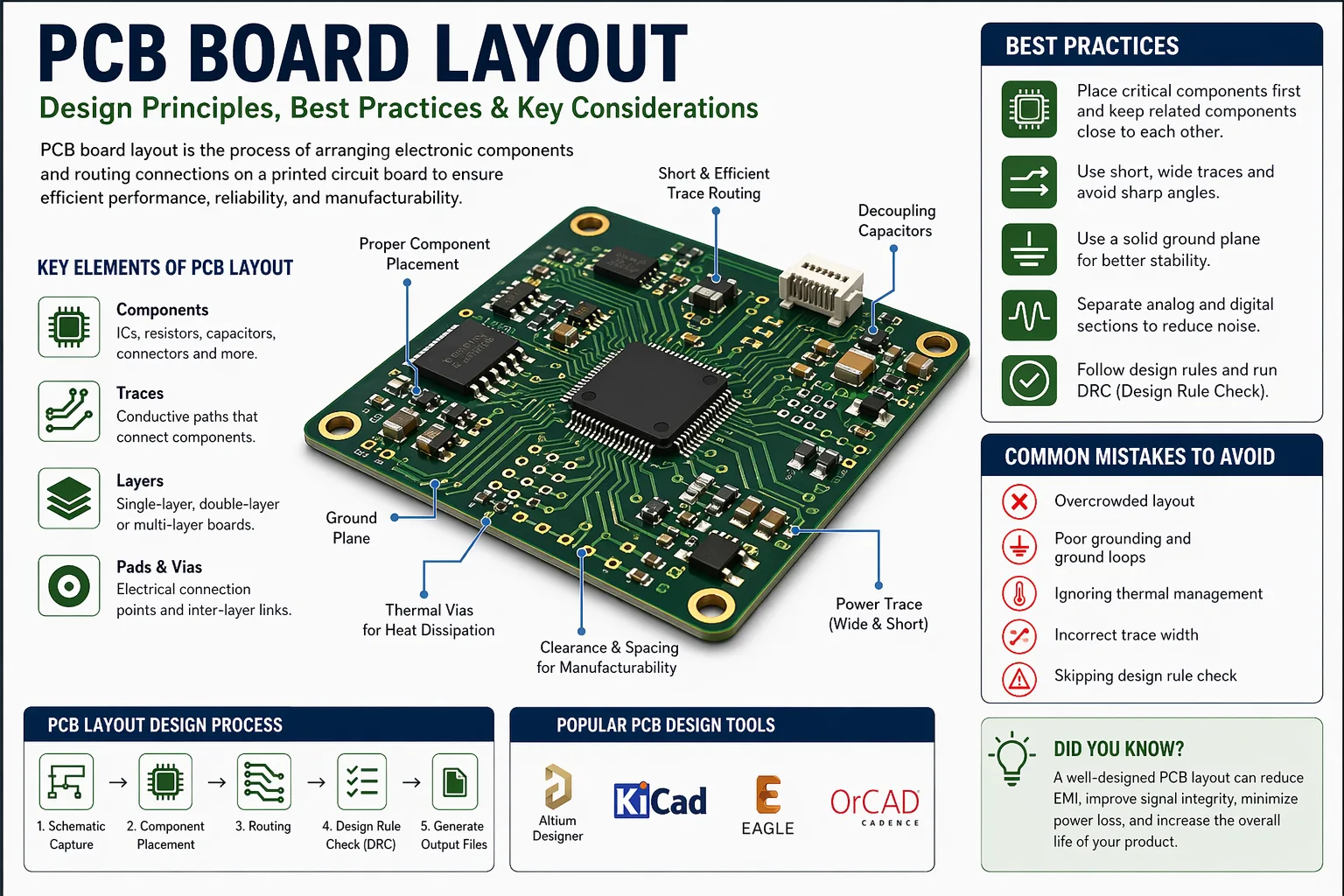
Printed Circuit Boards (PCBs) are the backbone of nearly every electronic device used today. From smartphones and medical equipment to industrial automation systems, PCBs play a critical role in ensuring reliable performance. However, designing a PCB is only the first step. The real transformation happens during the assembly process, where components are mounted onto the board to create functional electronic systems.
This is where a PCB Assembly Service becomes essential. It bridges the gap between design and production, ensuring that electronic devices meet quality, performance, and reliability standards.
In this comprehensive guide, we will explore everything you need to know about PCB assembly—from processes and technologies to benefits and choosing the right service provider.
What Is PCB Assembly Service?
A PCB Assembly Service refers to the process of mounting electronic components onto a printed circuit board to create a fully functional electronic circuit. This process involves multiple stages, including soldering, inspection, and testing.
Manufacturers and businesses rely on these services to ensure precision, efficiency, and consistency in electronics production.
Key Components Involved
- Resistors
- Capacitors
- Integrated circuits (ICs)
- Connectors
- Diodes and transistors
Each component must be carefully placed and securely attached to ensure optimal functionality.
Key Processes in PCB Assembly Service
The PCB assembly process involves several critical steps that ensure the board operates as intended. Each stage contributes to the overall quality and reliability of the final product.
Surface Mount Technology (SMT)
SMT is one of the most widely used methods in modern electronics manufacturing. Components are mounted directly onto the surface of the PCB.
Advantages of SMT:
- Higher component density
- Faster production speeds
- Improved electrical performance
Through-Hole Technology (THT)
THT involves inserting component leads through drilled holes in the PCB and soldering them in place.
Benefits of THT:
- Strong mechanical bonds
- Suitable for high-stress environments
- Ideal for larger components
Mixed Assembly Techniques
Many modern PCBs use a combination of SMT and THT to achieve the best of both worlds.
Importance of PCB Assembly Service in Electronics Manufacturing
A reliable PCB assembly process ensures that electronic products function correctly and meet industry standards.
Enhancing Product Quality
High-quality assembly reduces defects and ensures consistent performance across batches.
Improving Production Efficiency
Outsourcing assembly to specialized providers helps businesses streamline operations and reduce production time.
Supporting Innovation
Advanced assembly techniques enable the creation of compact, high-performance electronic devices.
Types of PCB Assembly Services
Different applications require different assembly approaches. Understanding the available options helps businesses choose the right solution.
Prototype Assembly
Used during product development to test and validate designs before mass production.
Low-Volume Production
Ideal for startups and small businesses launching new products.
High-Volume Manufacturing
Designed for large-scale production with consistent quality and cost efficiency.
Turnkey Assembly
A complete solution where the service provider handles everything—from sourcing components to final testing.
Choosing the Right PCB Assembly Service Provider
Selecting the right partner is crucial for ensuring product quality and timely delivery.
Factors to Consider
1. Experience and Expertise
Look for providers with a proven track record in handling complex projects.
2. Quality Standards
Ensure compliance with international standards such as IPC certifications.
3. Technology and Equipment
Advanced machinery ensures precision and efficiency.
4. Testing Capabilities
Comprehensive testing reduces the risk of defects.
5. Supply Chain Management
Efficient sourcing of components prevents delays.
PCB Assembly Service and Quality Assurance
Quality assurance is a critical aspect of PCB assembly. It ensures that every board meets required specifications and performs reliably.
Inspection Techniques
- Automated Optical Inspection (AOI)
- X-ray inspection
- Manual visual inspection
Testing Methods
- Functional testing
- In-circuit testing (ICT)
- Burn-in testing
These processes help identify and eliminate defects before the product reaches the market.
Benefits of Outsourcing PCB Assembly
Outsourcing assembly services offers several advantages for businesses of all sizes.
Cost Efficiency
- Reduced labor costs
- Lower equipment investment
- Economies of scale
Access to Expertise
Professional service providers have skilled engineers and technicians.
Faster Time-to-Market
Streamlined processes enable quicker production cycles.
Scalability
Easily adjust production volume based on demand.
Challenges in PCB Assembly
Despite its advantages, PCB assembly comes with certain challenges that manufacturers must address.
Component Sourcing Issues
Supply chain disruptions can delay production.
Design Complexity
Advanced designs require precise assembly techniques.
Quality Control
Maintaining consistency across large batches can be challenging.
Technological Advancements
Keeping up with evolving technologies requires continuous investment.
Future Trends in PCB Assembly Service
The electronics industry is constantly evolving, and PCB assembly is no exception.
Automation and Robotics
Automated systems improve precision and reduce human error.
Miniaturization
Smaller components enable more compact and powerful devices.
IoT Integration
The rise of Internet of Things (IoT) devices increases demand for advanced PCBs.
Sustainable Manufacturing
Eco-friendly materials and processes are gaining importance.
Best Practices for Successful PCB Assembly
Following best practices ensures efficient and reliable assembly.
Design for Manufacturability (DFM)
Optimize PCB design to simplify assembly and reduce costs.
Component Standardization
Using standard components improves availability and reduces complexity.
Clear Documentation
Accurate design files and instructions prevent errors.
Regular Testing
Continuous testing ensures consistent quality.
Industries That Rely on PCB Assembly Service
PCB assembly plays a vital role across various industries.
Consumer Electronics
Smartphones, laptops, and wearable devices rely heavily on PCBs.
Automotive Industry
Modern vehicles use PCBs for safety systems, navigation, and entertainment.
Healthcare
Medical devices require highly reliable and precise PCB assembly.
Industrial Automation
PCBs power machinery and control systems in manufacturing plants.
Cost Factors in PCB Assembly
Understanding cost drivers helps businesses plan their budgets effectively.
Key Cost Elements
- Board complexity
- Component type and availability
- Assembly volume
- Testing requirements
Balancing cost and quality is essential for achieving optimal results.
Environmental Considerations in PCB Assembly
Sustainability is becoming a key focus in electronics manufacturing.
Eco-Friendly Practices
- Lead-free soldering
- Recycling of materials
- Energy-efficient processes
These practices help reduce environmental impact while maintaining quality standards.
Conclusion
A PCB Assembly Service is a critical component of modern electronics manufacturing. It transforms PCB designs into fully functional products that power industries worldwide. From ensuring quality and efficiency to enabling innovation, assembly services play a vital role in delivering reliable electronic solutions.
By understanding the processes, benefits, and challenges involved, businesses can make informed decisions and choose the right service provider. As technology continues to evolve, PCB assembly will remain at the forefront of innovation, supporting the development of smarter, faster, and more efficient electronic devices.