
When you operate large manufacturing plants, facilities, or project-driven operations, payroll solutions stop being a back-office utility and start becoming an operational dependency. You feel it most during month-end when shift differentials pile up. Overtime calculations get messy, union rules collide with local compliance and one missed exception can snowball into workforce dissatisfaction faster than you expect.
You are not looking for elegance but are looking for certainty. This is where payroll, done right, quietly keeps your operations stable while everything else keeps moving.
Why Industrial Payroll Is a Different Problem Altogether

Payroll in manufacturing-heavy environments behaves differently from payroll in office-centric businesses. You deal with variable attendance patterns, multi-location plants, and a workforce that does not clock in from laptops.
Your payroll team often juggles:
- Rotational shifts with overlapping pay rules
- Production-linked incentives tied to output, not hours
- Hazard allowances and skill-based premiums
- Country- or state-specific statutory frameworks
- Temporary workforce spikes during project peaks
You already know the real challenge is not calculation. It is control and more importantly, consistency at scale.
The Cost of Manual Overrides
In real operations, payroll exceptions are constant. A machine breakdown forces overtime, a site mobilization pulls workers across regions or a public holiday changes mid-cycle. Every manual adjustment increases risk.
Over time, these small interventions create silent inefficiencies:
- Audit trails become fragmented
- Approval workflows lose accountability
- Payroll teams rely on tribal knowledge instead of rules
You may not see the impact immediately. But employees do. And they remember payroll errors far longer than payroll accuracy.
What Mature Payroll Solutions Do Differently
Payroll maturity is less about features and more about how well the system absorbs operational chaos without breaking at enterprise scale.
The right payroll solutions handle complexity through configuration and not customization. That distinction matters because configuration adapts to change and customization resists it.
You should expect the system to manage:
- Multi-country statutory compliance without parallel processes
- Automated validation checks before payroll finalization
- Rule-based handling of allowances, penalties, and bonuses
- Built-in governance that limits manual intervention
When payroll teams stop firefighting, they start focusing on accuracy, forecasting, and compliance readiness.
Compliance Is Not an Annual Event
In regulated industries, compliance does not wait for audits and it operates daily.
· Labor laws evolve
· Wage ceilings shift
· Contribution rates change.
When you miss one update, you get exposed, not hypothetically but financially.
Strong payroll platforms stay current without forcing you into constant system overhauls. Updates should land cleanly, with minimal disruption, and without requiring your team to relearn the process each quarter.
Scaling Without Breaking Trust
As operations expand with new plants, new geographies, new project sites, payroll becomes one of the first stress points. Employees might accept operational hiccups. They rarely tolerate pay discrepancies. At scale, payroll is no longer transactional. It is reputational.
You need systems that scale linearly and not exponentially with headcount. That means-
- Centralized visibility with decentralized execution
- Standardized policies that still allow local nuance
- Performance that does not degrade during peak runs
Good payroll solutions make growth feel boring. That is a compliment.
Real-World Insight: Where Payroll Projects Fail
Most payroll initiatives fail quietly not because the system is weak but because operational realities were underestimated.
Common pitfalls include-
- Underestimating data complexity during transition
- Ignoring shop-floor attendance realities
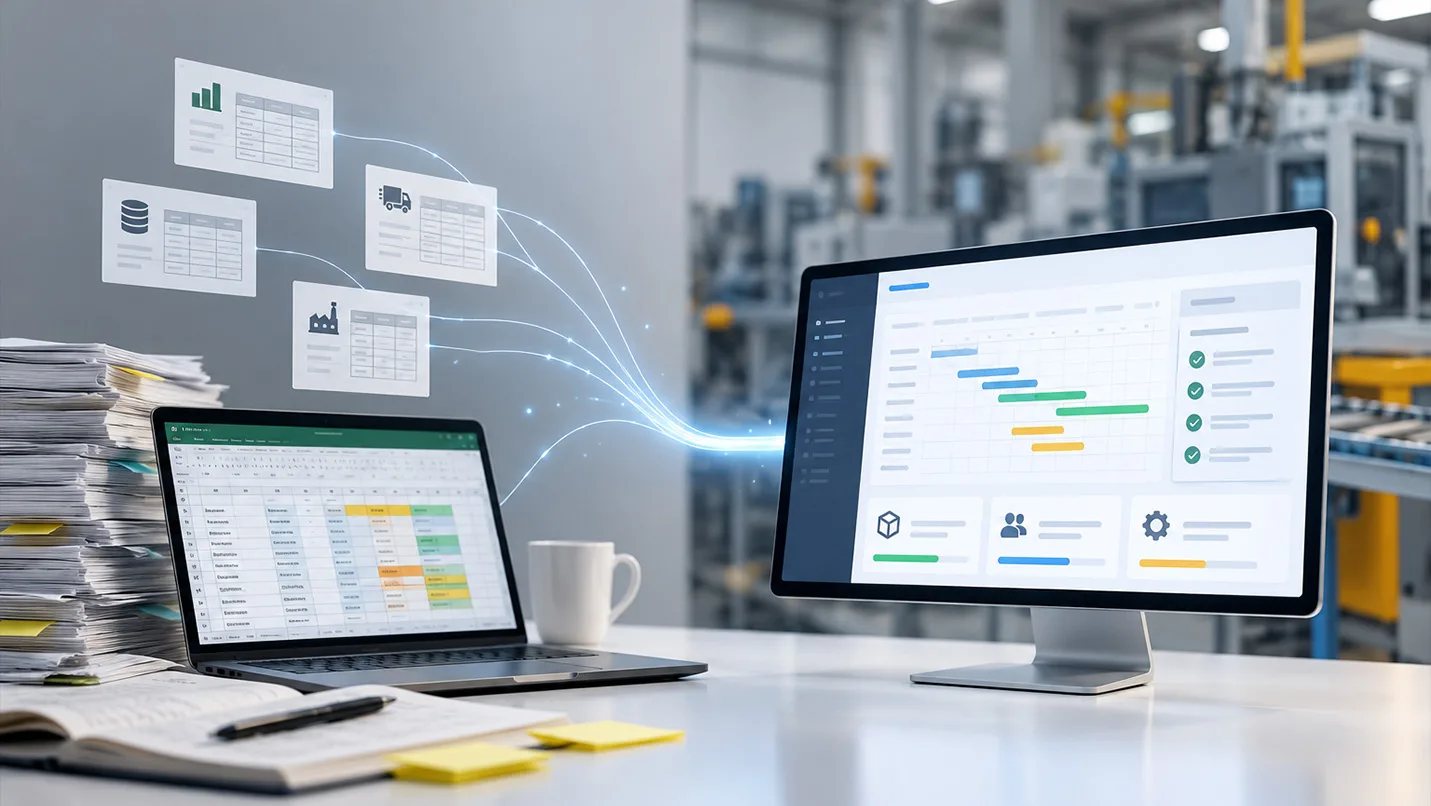
- Over-reliance on spreadsheets for “temporary” fixes
- Treating payroll as only a financial concern
Payroll touches operations, compliance and workforce morale simultaneously. It behaves unpredictably when you treat it as a silo.
Choosing for Longevity, Not Just Implementation
You are not selecting payroll for the next year. You are selecting it for regulatory cycles, workforce changes, and operational evolution.
Ask practical questions:
• Can this system handle union renegotiations without rework?
• How quickly can payroll rules be adjusted without vendor dependency?
• What happens when headcount doubles during a project surge?
• Can it support multi-country compliance and statutory reporting without parallel systems?
• How does it maintain data integrity across multiple business units and legal entities?
• Is there a clear audit trail that satisfies enterprise governance and external auditors?
If the answers are vague, the risk is not.
Where This Leaves You
Reliable payroll is invisible when it works and unforgiving when it doesn’t. In a manufacturing enterprise, payroll is not just a function; it’s a foundational pillar that supports operational stability and workforce trust. The right managed payroll services empower your organisation to operate with confidence, scale seamlessly, and maintain consistency even as operational complexity grows.
That confidence isn’t built overnight. It comes from systems designed to handle change, processes that absorb variability, and teams that can focus on optimisation rather than firefighting. Once in place, payroll stops being a source of stress and becomes one of the few things in your operation that simply works when it matters most.