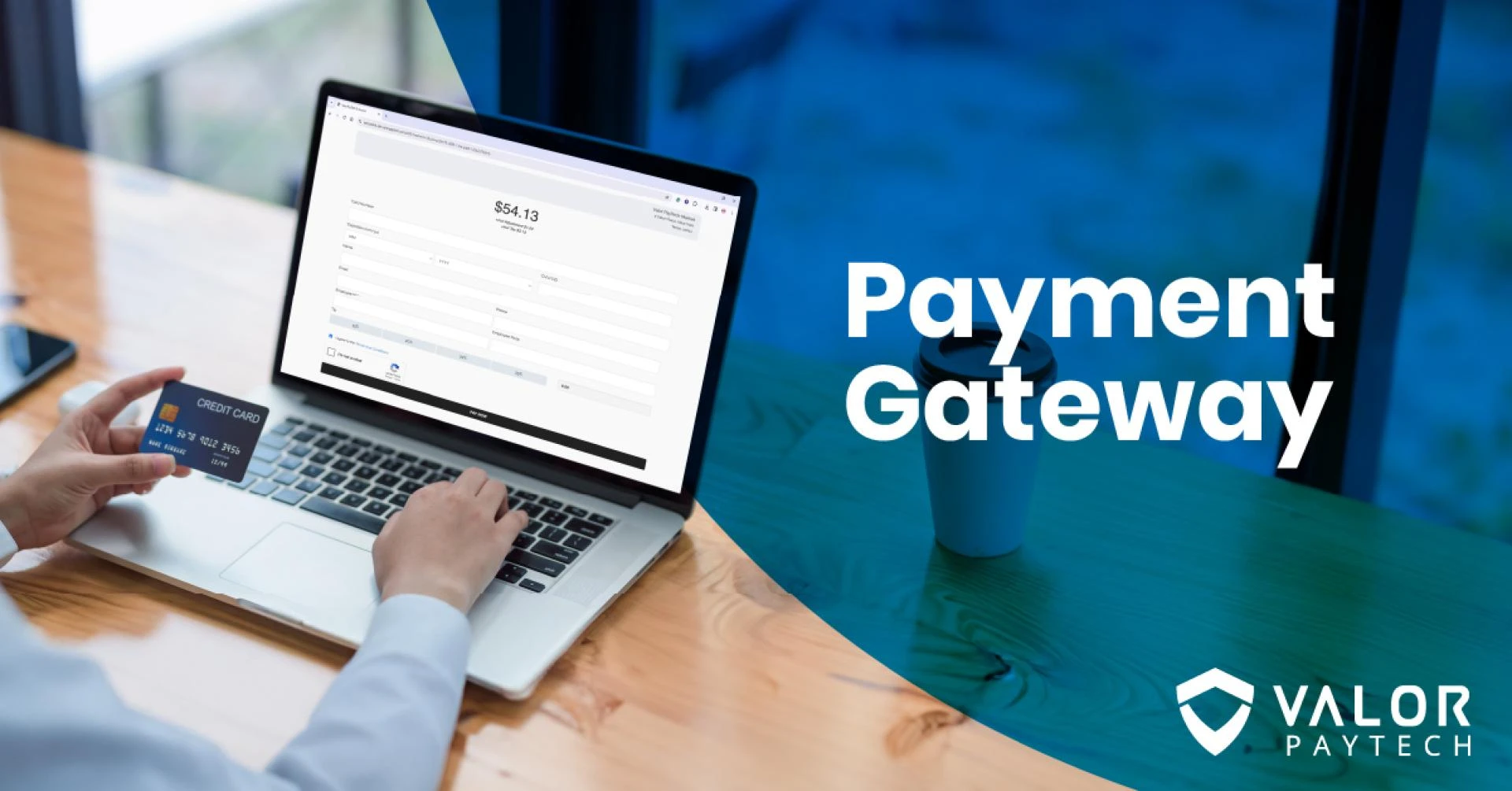
In 2026, payment gateways have become a foundational component of digital commerce for businesses across the United States, from small service providers to large eCommerce brands operating in fast-paced markets like New York City. A payment gateway acts as the secure digital bridge that enables businesses to accept online and card-not-present payments by encrypting sensitive data, authorizing transactions, and ensuring funds move safely from the customer’s payment method to the merchant’s bank account. Without a modern gateway in place, businesses would be unable to offer the fast, seamless, and secure checkout experiences that today’s customers expect.
At its core, a payment gateway works quietly in the background to process transactions in just a few seconds. When a customer enters their card or digital wallet details on a website, mobile app, invoice, or payment link, the gateway immediately encrypts the data using tokenization and sends it securely through the payment processor to the issuing bank for authorization. The bank evaluates the transaction, performs fraud checks, and sends an approval or decline back through the same secure path. Once approved, the transaction is completed and the funds are settled into the merchant’s account, often within the same day. This entire process happens almost instantly, ensuring both speed and security for customers and businesses alike.
For businesses operating in competitive digital environments, especially in NYC where consumers expect near-instant checkout, a reliable payment gateway is no longer optional. Modern gateways support one-click payments, digital wallets, recurring billing, and mobile-friendly checkout, all of which contribute directly to higher conversion rates and improved customer satisfaction. As online transactions continue to dominate retail, services, and subscriptions, payment gateways serve as the backbone of revenue generation by reducing friction, preventing fraud, and maintaining customer trust.