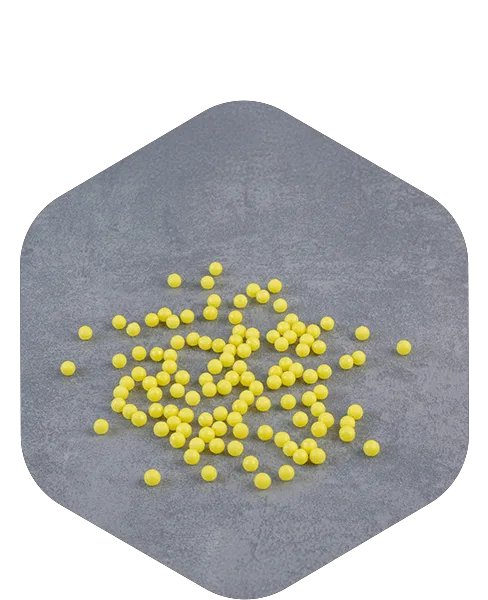
Choosing the right starting material is an important decision in pharmaceutical formulation development. When comparing pantoprazole pellets and pantoprazole powder, developers must consider processing requirements, product stability, coating functionality, and the intended dosage form. Working with a reliable Pantoprazole Pellets Manufacturer can help pharmaceutical companies evaluate suitable materials, review product specifications, and make informed decisions for their formulation projects.
What Are Pantoprazole Pellets and Pantoprazole Powder?
Pantoprazole is a proton pump inhibitor used in pharmaceutical products designed to reduce gastric acid production. Its formulation requires careful attention to product stability and drug release characteristics.
Pantoprazole pellets are small, multiparticulate units that may contain the active pharmaceutical ingredient (API), excipients, and functional coating layers, depending on the formulation design. Enteric-coated pellets are designed to resist acidic conditions and release the drug under specified conditions.
Pantoprazole powder, by comparison, refers to a powdered material that may be the active ingredient or another specified formulation intermediate. Its exact composition and intended use must be confirmed before comparing it with a finished or coated pellet product.
Understanding these differences is essential because pellets and powders are not always equivalent materials that can be substituted directly in a formulation.
Key Differences Between Pantoprazole Pellets and Powder
1. Physical Form and Handling
One of the most visible differences is physical structure. Pellets generally consist of discrete particles with a defined size range, whereas powders contain finer particles whose characteristics depend on their composition and manufacturing process.
These differences can influence material handling, transfer, blending, and feeding during pharmaceutical production. Powder handling may require particular attention to dust generation, electrostatic behaviour, and flow properties. Pellets may offer different handling characteristics depending on particle size, shape, surface properties, and coating.
Formulation developers should assess the actual material specifications rather than assuming that every pellet product flows better or performs more consistently than every powder.
2. Drug Protection and Enteric Coating
Pantoprazole formulations commonly require protection against acidic conditions because the active ingredient is acid-sensitive. Enteric coating is therefore an important consideration in relevant dosage forms.
Pellet-based formulations can incorporate functional coating layers designed to control exposure to gastric conditions and support the intended release profile. The coating system, substrate, manufacturing process, and storage conditions all contribute to the performance of the finished product.
Uncoated powder does not automatically provide the same protection as an appropriately developed enteric-coated pellet system. However, powder can be used as a starting material in a formulation process that subsequently applies suitable protective layers.
Developers should compare the intended functionality and demonstrated performance of each material, rather than relying on physical form alone.
3. Formulation Flexibility
Pellets can provide flexibility in multiparticulate dosage forms, including suitable capsule formulations and certain pellet-containing tablet systems. Depending on the product design, different pellet populations may be combined to achieve specific formulation objectives.
Powder can also be useful in pharmaceutical development, particularly when the formulation process requires direct incorporation of an API or the preparation of intermediate materials before further processing.
The appropriate option depends on the intended dosage form, equipment, formulation strategy, and product-specific requirements. Before selecting a material, developers should establish whether the supplied product is an API, an intermediate, or a pellet formulation ready for further processing.
4. Manufacturing Process and Equipment
Pellet-based formulations may involve processes such as layering, pelletization, drying, and functional coating. Additional processing steps can influence manufacturing complexity, yield, and quality control requirements.
Powder-based approaches may involve weighing, blending, granulation, or other processing operations, depending on the formulation. If a powdered starting material requires conversion into coated pellets, further development and manufacturing steps will be necessary.
Neither option is universally simpler or more economical. The decision should reflect the complete manufacturing process, available equipment, scale-up requirements, and the quality attributes that must be achieved.
5. Quality Control and Drug Release
Quality evaluation should be based on the material's intended use. For pantoprazole pellets, relevant tests may include particle size distribution, assay, related substances, coating-related attributes, moisture content, and dissolution performance, as applicable to the product specification.
For pantoprazole powder, testing may focus on identity, assay, impurities, particle size, moisture, and other relevant material attributes.
Dissolution behaviour cannot be predicted from physical form alone. The formulation composition, coating properties, manufacturing process, and test conditions all influence drug release. Product-specific testing is essential to demonstrate whether the material meets its established requirements.
How Should Formulation Developers Choose the Right Material?
Before selecting pantoprazole pellets or powder, formulation teams should consider the following factors:
- Dosage form: Determine whether the project requires a pellet-based capsule, a pellet-containing tablet, or another formulation.
- Product specifications: Review composition, particle characteristics, assay, impurities, and other applicable quality requirements.
- Stability requirements: Assess the material's sensitivity to moisture, environmental conditions, and formulation components.
- Processing compatibility: Confirm suitability for the available equipment and intended manufacturing operations.
- Quality documentation: Request relevant specifications, certificates of analysis, and available stability or dissolution data.
- Regulatory considerations: Verify that the material and its documentation are appropriate for the intended product and target market.
A structured evaluation helps prevent unnecessary reformulation and supports better communication between development, procurement, manufacturing, and quality assurance teams.
Choosing a Pantoprazole Pellets Manufacturer for Your Project
Selecting a qualified supplier is an important part of pharmaceutical development. Buyers should assess product-specific specifications, manufacturing capabilities, quality systems, technical support, and the availability of appropriate documentation.
When evaluating a Pantoprazole Pellets Manufacturer, pharmaceutical companies should also clarify the intended application, required product attributes, order quantities, and supply expectations. Clear technical discussions can help determine whether the offered pellet material is suitable for the proposed formulation.
Srinag Pharma, based in Hyderabad, Telangana, India, manufactures pharmaceutical pellets, micro-pellets, and granules and provides formulation development and analytical services. Pharmaceutical companies interested in pantoprazole pellets can consult the company regarding applicable product specifications and sourcing requirements.
For formulation teams comparing suppliers, a Pantoprazole Pellets Manufacturer should be evaluated on documented product suitability and quality requirements rather than price or product description alone.
Conclusion
Pantoprazole pellets and pantoprazole powder serve different purposes depending on the formulation strategy. Pellets can provide a structured multiparticulate platform with functional coating options, while powder may serve as an API or formulation intermediate requiring further processing.
The best choice depends on the dosage form, processing capabilities, stability needs, quality specifications, and intended drug release characteristics. By assessing these factors and reviewing appropriate technical documentation, pharmaceutical developers can make better-informed material selection decisions.
To explore available product information and discuss your requirements, visit Srinag Pharma's Pantoprazole Pellets Manufacturer page.
Other Recommendations: Esomeprazole Pellets Manufacturer in India