
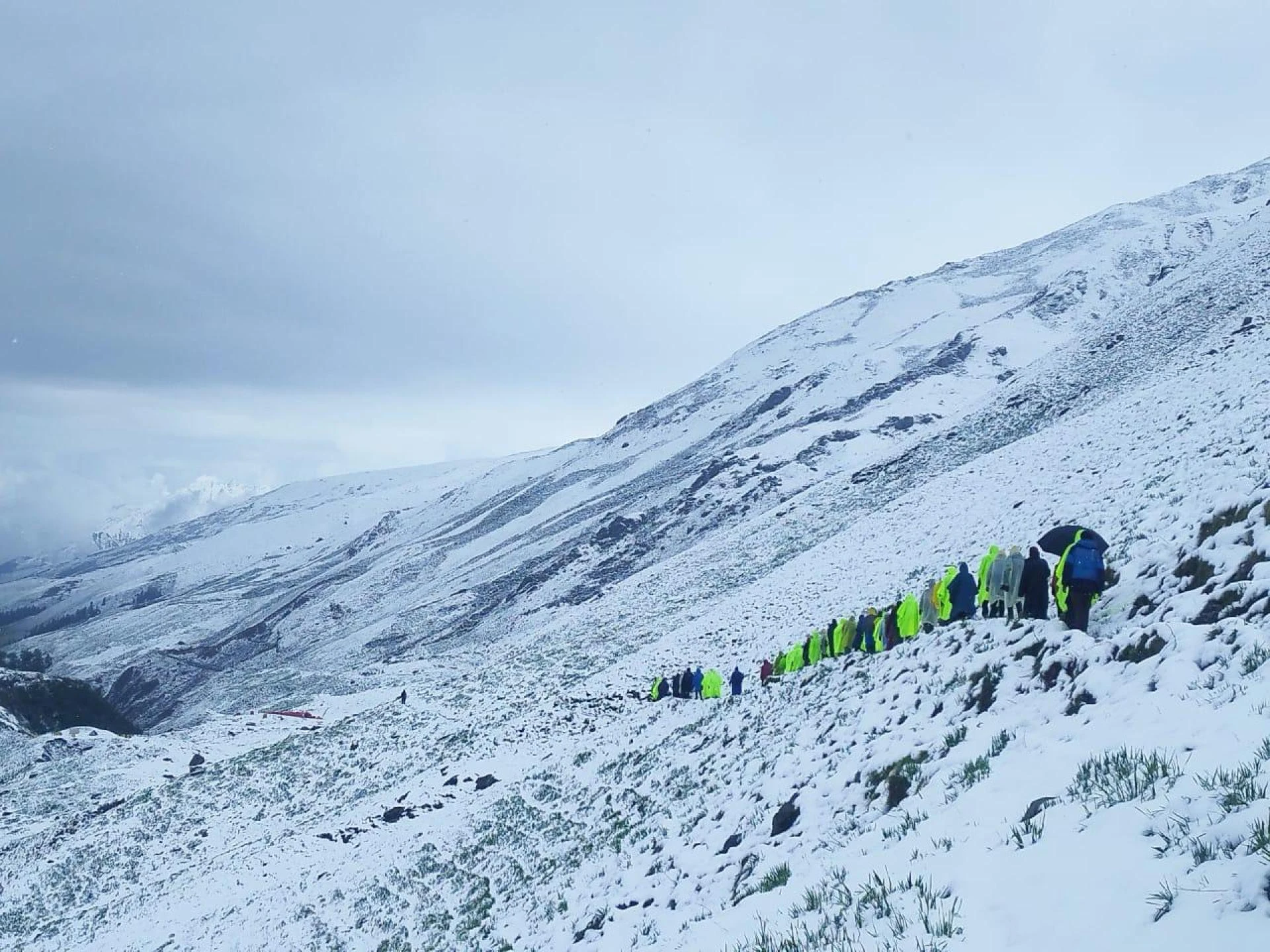
When it comes to breathtaking landscapes, soul-stirring experiences, and physical rejuvenation, few things compare to pahadi treks—treks in the Himalayan and sub-Himalayan regions of India. These treks not only challenge your body but also awaken a deep spiritual connection with nature. Whether you are a seasoned mountaineer or a first-time trekker, the Himalayas offer trails that range from serene meadows to snow-capped passes, making pahadi treks a must for every adventure enthusiast.
In this blog, we’ll explore the essence of pahadi treks, highlight some iconic trekking routes, share practical tips, and reveal why the mountains call us time and again.
What are Pahadi Treks?
"Pahadi" means "of the mountains" in Hindi, and pahadi treks refer to hiking or trekking expeditions in mountainous regions—primarily the Indian Himalayas, Western Ghats, and sub-Himalayan ranges in states like Himachal Pradesh, Uttarakhand, Jammu & Kashmir, and parts of Northeast India. These treks vary in difficulty and duration, offering unique landscapes, cultural experiences, and challenges.
Why Choose a Pahadi Trek?
- Breathtaking Landscapes: From alpine forests, glacial lakes, and wildflower meadows to snow-covered passes and steep ridgelines—every turn offers a new panorama.
- Cultural Immersion: Trekking through Himalayan villages introduces you to pahadi culture, traditional architecture, and local cuisines.
- Physical and Mental Rejuvenation: Trekking detoxes both your body and mind. The clean air, peaceful surroundings, and disconnection from digital chaos act as a natural therapy.
- Biodiversity and Nature: These treks are often located in eco-sensitive zones teeming with flora and fauna, rare birds, and medicinal plants.
Top Pahadi Treks You Must Experience
1. Chandranahan Trek – Himachal Pradesh
- Difficulty: Moderate
- Best Time: May to October
- Highlights: Glacial lake, alpine forests, and high-altitude meadows.
- This hidden gem in the Rohru region of Himachal is less commercialized, offering raw Himalayan beauty and spiritual serenity.
2. Rupin Pass Trek – Himachal-Uttarakhand Border
- Difficulty: Moderate to Difficult
- Best Time: May to June, September to October
- Highlights: Waterfalls, snow bridges, hanging villages, and the thrilling Rupin Pass.
- It is one of the most diverse treks, with a new landscape every day.
3. Buran Ghati Trek – Himachal Pradesh
- Difficulty: Moderate to Difficult
- Best Time: May to June, September to October
- Highlights: Dense forests, flower-filled meadows, and a thrilling snow wall descent.
- This is ideal for adventure lovers looking for both scenic beauty and physical challenges.
4. Valley of Flowers – Uttarakhand
- Difficulty: Easy to Moderate
- Best Time: July to September
- Highlights: UNESCO World Heritage site, blooming meadows, and rare flora.
- A perfect monsoon trek for nature lovers.
5. Kedarkantha Trek – Uttarakhand
- Difficulty: Easy to Moderate
- Best Time: December to April (best winter trek)
- Highlights: Snow-covered trails, sunrise views from the summit, pine forests.
- Ideal for beginners and a great introduction to winter trekking.
6. Hampta Pass Trek – Himachal Pradesh
- Difficulty: Moderate
- Best Time: June to September
- Highlights: Contrasting landscapes of Kullu’s greenery and Lahaul’s barren terrain.
- Offers the thrill of high-altitude crossing without extreme conditions.
Essentials to Pack for Pahadi Treks
- Clothing: Layered outfits, waterproof jacket, thermal wear, trekking pants.
- Footwear: High-ankle trekking boots with good grip.
- Backpack: 40–60 L backpack with rain cover.
- Health Kit: First aid, personal medications, ORS, pain relief sprays.
- Gear: Headlamp, trekking poles, reusable water bottle, energy bars.
- Documents: ID proof, permits (if required), medical certificate (for some treks).
Trekking Tips for Beginners
- Start with Easy Treks: Begin with low-altitude treks before attempting challenging ones.
- Train in Advance: Build your stamina through cardio and leg workouts at least 4-6 weeks in advance.
- Stay Hydrated and Eat Well: Keep sipping water and carry energy-packed dry fruits and snacks.
- Respect the Environment: Leave no trace—don’t litter and avoid plastics.
- Hire Local Guides or Join Groups: Local support ensures safety and adds cultural value.
The Emotional and Spiritual Aspect of Pahadi Treks
Trekking in the mountains is more than physical endurance—it’s a spiritual experience. Walking in silence through pine forests, camping under starlit skies, crossing rivers barefoot, or just sitting by a cliff watching the clouds—it all leads to a meditative connection with yourself and the universe. Many trekkers report that their most profound moments of clarity and peace have come during these treks.
Best Time for Pahadi Treks
- Summer (April to June): Ideal for most treks with blooming landscapes.
- Monsoon (July to September): Avoid most high-altitude treks due to landslides, except Valley of Flowers.
- Autumn (September to November): Clear skies and crisp air—perfect for long-distance treks.
- Winter (December to February): For snow treks like Kedarkantha and Brahmatal.
Responsible Trekking: Preserving the Pahadi Ecosystem
As trekkers, we have a duty to protect the pristine landscapes we enjoy:
- Carry reusable water bottles and avoid packaged snacks.
- Use biodegradable soap and sanitary products.
- Support local communities by choosing local homestays and guides.
- Follow rules set by forest departments and trekking organizations.
Final Thoughts
Pahadi treks are not just about reaching a summit—they are about inner transformation, forming a connection with nature, challenging your limits, and embracing simplicity. With each trail, the mountains teach patience, humility, and gratitude.
So, lace up your boots, take a deep breath of that cool mountain air, and let the trails guide you to stories you'll cherish for a lifetime.