
Running a small business involves juggling multiple tasks—sales, marketing, customer service, and more. Amidst this chaos, managing finances often takes a backseat. That’s where bookkeeping services for small businesses come in. By keeping accurate financial records, businesses can make informed decisions, stay tax-compliant, and maintain healthy cash flow.
However, hiring an in-house bookkeeper isn’t always feasible for small businesses due to budget constraints. This is why many Australian businesses opt for outsourced bookkeeping services - a cost-effective and efficient alternative.
What Are Outsourced Bookkeeping Services?
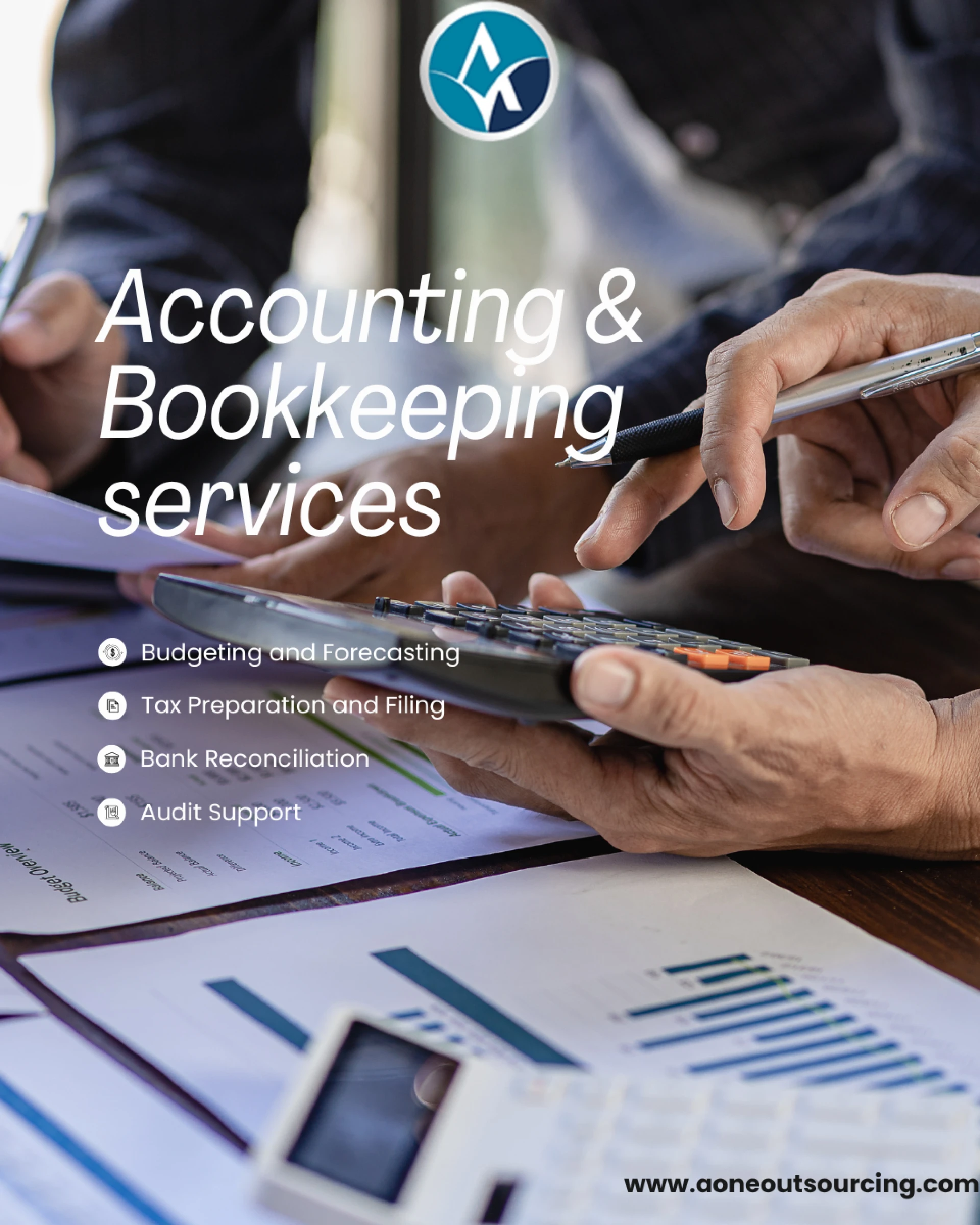
Outsourced bookkeeping services involve hiring an external firm or professional to handle financial records, transactions, and reporting. These services cover:
- Recording income and expenses
- Managing invoices and payments
- Reconciling bank statements
- Preparing financial reports
- Ensuring tax compliance
By outsourcing, businesses gain access to expert accounting and bookkeeping support without the overhead costs of a full-time employee.
Benefits of Outsourced Bookkeeping for Small Businesses
1. Cost Savings
Hiring an in-house bookkeeper means salaries, benefits, and training expenses. Bookkeeping services eliminate these costs, offering flexible pricing models (hourly, monthly, or project-based).
2. Access to Expertise
Professional bookkeepers stay updated with tax laws and financial best practices—ensuring accuracy and compliance.
3. Time Efficiency
Small business owners can focus on growth while experts handle the books.
4. Scalability
As your business grows, your bookkeeping services for small businesses can scale accordingly—no need to hire additional staff.
5. Reduced Errors
Mistakes in bookkeeping lead to financial discrepancies and tax issues. Outsourcing minimizes errors with thorough checks.
How to Choose the Right Bookkeeping Service
Not all bookkeeping services for small businesses are the same. Consider these factors:
- Experience – Look for providers with expertise in your industry.
- Technology – Cloud-based tools (like Xero or QuickBooks) ensure real-time updates.
- Security – Ensure data protection measures are in place.
- Pricing – Compare packages to find one that fits your budget.
Common Bookkeeping Challenges for Small Businesses
Many small businesses struggle with:
- Late or Inaccurate Records – Leads to cash flow problems.
- Tax Compliance Issues – Missing deadlines results in penalties.
- Lack of Financial Insights – Without proper reports, decision-making suffers.
Outsourced services address these challenges by maintaining organized, up-to-date records.
When Should a Small Business Outsource Bookkeeping?
Consider outsourcing if:
✔ You’re spending too much time on finances instead of growing the business.
✔ Financial records are disorganized or outdated.
✔ Tax season brings stress due to missing documents.
✔ You want to reduce overhead costs.
Outsourced bookkeeping provides relief, allowing you to focus on what matters most bookkeeping services for small businesses.
Conclusion:
For small businesses in Australia, managing finances in-house can be overwhelming. Outsourced bookkeeping services offer a practical solution—delivering accuracy, cost savings, and peace of mind. By leveraging professional bookkeeping services for small businesses, you ensure financial health while freeing up time to drive growth. For more information: Aone Outsourcing Solution.