Outdoor signage plays a crucial role in shaping first impressions and driving foot traffic. Whether you run a retail store, restaurant, or corporate office, well-designed signage can significantly influence customer decisions. In today’s competitive landscape, businesses must go beyond basic designs and adopt strategic approaches to stand out.
This guide explores practical and trending outdoor signage design tips to help you attract more customers and maximize visibility.
Why Outdoor Signage Matters for Business Growth
Your outdoor sign is often the first interaction a potential customer has with your brand. A compelling sign can:
- Capture attention instantly
- Communicate brand identity
- Influence purchasing decisions
- Increase walk-in traffic
Investing in commercial outdoor signage ensures your business remains visible even in crowded marketplaces.
1. Prioritize Clear and Readable Design
Clarity should always come first. A visually cluttered sign can confuse viewers and reduce impact.
Best Practices:
- Use bold, legible fonts
- Maintain high contrast between text and background
- Keep messaging short and direct
- Avoid overcrowding with too many elements
A simple, readable sign ensures your message is understood within seconds—even from a distance.
2. Focus on Strategic Color Psychology
Colors evoke emotions and influence behavior. Choosing the right palette can make your signage more effective.
Tips:
- Use bright colors to grab attention
- Align colors with your brand identity
- Ensure visibility during both day and night
- Avoid color combinations that strain the eyes
For example, red creates urgency, while blue builds trust—use these strategically based on your business goals.
3. Use High-Quality Materials for Durability
Outdoor signage is constantly exposed to environmental elements like sunlight, rain, and dust. Choosing durable materials ensures longevity and consistent brand representation.
Popular Material Options:
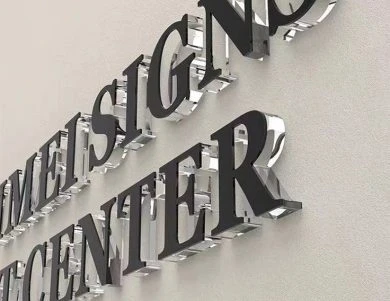
- Acrylic and metal for premium appeal
- Weather-resistant vinyl
- LED-based illuminated boards
- Rust-proof and UV-protected surfaces
A reliable outdoor signage manufacturer can help you select materials that balance aesthetics with durability.
4. Optimize Size and Placement
Even the best-designed signage can fail if it’s not positioned correctly.
Key Considerations:
- Place signage at eye level or above high-traffic areas
- Ensure visibility from multiple angles
- Adjust size based on viewing distance
- Avoid obstructions like trees or poles
Strategic placement enhances visibility and ensures maximum exposure.
5. Incorporate Lighting for 24/7 Visibility
Illuminated signage helps your business stay visible even after sunset.
Lighting Options:
- Backlit LED signs
- Front-lit channel letters
- Neon or halo-lit designs
Well-lit signage not only improves visibility but also adds a modern and professional look.
6. Keep Branding Consistent
Consistency in branding builds trust and recognition over time.
Include:
- Logo placement
- Brand colors
- Typography style
- Tagline (if applicable)
Your signage should reflect the same identity as your website, social media, and other marketing materials.
7. Add a Unique Design Element
Standing out requires creativity. Adding a distinctive element can make your signage memorable.
Ideas:
- 3D lettering or raised elements
- Minimalist yet bold layouts
- Motion or digital displays
- Creative shapes beyond standard rectangles
Innovative signage designs, like those highlighted in this article on modern signage evolution, show how thoughtful design can redefine visual communication and brand perception.
8. Ensure Compliance with Local Regulations
Before installation, check local guidelines and permissions related to signage.
Important Factors:
- Size restrictions
- Illumination rules
- Placement limitations
- Safety standards
Compliance avoids legal issues and ensures smooth installation.
9. Leverage Digital and Smart Signage Trends
Technology is transforming outdoor advertising. Digital signage offers dynamic content and higher engagement.
Benefits:
- Real-time content updates
- Interactive displays
- Increased customer engagement
- Better ROI compared to static signs
Incorporating smart elements can give your business a competitive edge.
10. Maintain and Update Regularly
Even the best signage loses effectiveness if not maintained properly.
Maintenance Tips:
- Clean regularly to remove dust and dirt
- Check lighting functionality
- Replace faded graphics
- Update outdated messaging
A well-maintained sign reflects professionalism and attention to detail.
Effective outdoor signage is more than just a display—it’s a powerful marketing tool that drives visibility, engagement, and sales. By focusing on clarity, design, placement, and innovation, businesses can create signage that truly stands out.
Investing in the right strategy ensures your signage not only attracts attention but also converts passersby into loyal customers.
FAQs
1. What makes outdoor signage effective?
Clear messaging, strong visibility, strategic placement, and appealing design elements make signage effective.
2. How important is lighting in outdoor signage?
Lighting is crucial for visibility during nighttime and enhances the overall aesthetic appeal.
3. What materials are best for outdoor signs?
Durable materials like acrylic, metal, and weather-resistant vinyl are ideal for long-term use.
4. How often should signage be updated?
It depends on wear and branding changes, but reviewing signage every 1–2 years is recommended.
5. Can digital signage improve customer engagement?
Yes, digital signage allows dynamic content, making it more engaging and interactive.
6. How do I choose the right signage size?
The size should be based on viewing distance and location visibility to ensure readability.
7. Why is branding consistency important in signage?
Consistent branding builds recognition, trust, and a strong market presence over time.