
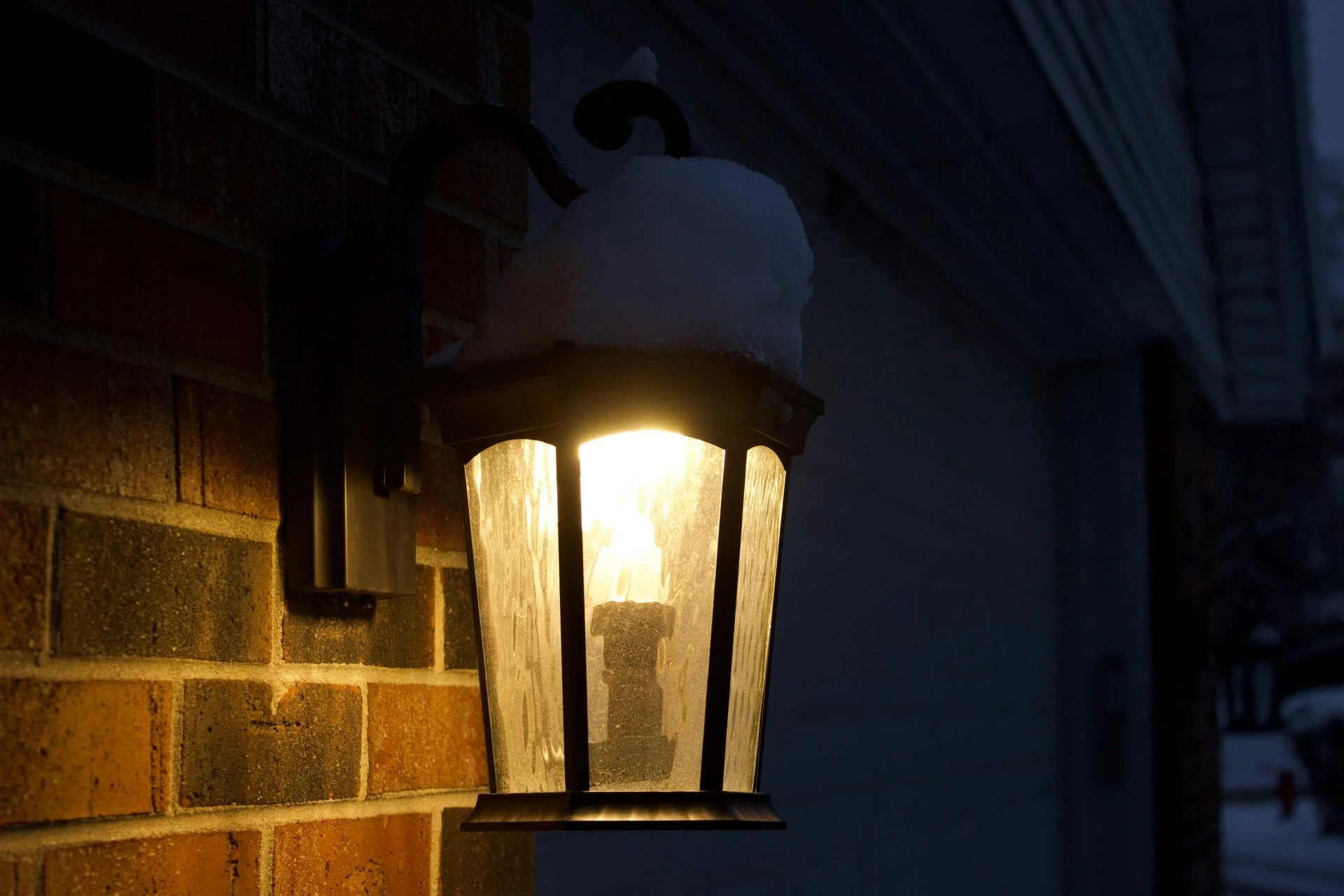
Outdoor lighting in Baton Rouge transforms a garden from a daytime-only space into an evening retreat, extending the hours a property can be enjoyed. In Baton Rouge, where warm evenings allow for outdoor living well into the winter months, proper illumination serves both functional and aesthetic purposes. It creates visual depth, highlights landscape investments, and provides essential safety along walkways and entry points.
Effective lighting design goes beyond simply blasting floodlights across the backyard. It involves a nuanced approach using specific fixtures to accent trees, architectural features, and garden beds. With years of experience upgrading properties in East Baton Rouge Parish, industry experts understand that the goal is to see the effect of the light, not the source itself. This guide explores the most effective lighting options available for local homes.
The Impact of Lighting on Southern Gardens
A well-lit garden invites people outside and deters unwanted activity. Lighting designers use a technique called layering to create interest. This involves placing lights at different heights and intensities to mimic natural shadows and highlights.
For Baton Rouge properties, which often feature dense vegetation and large canopy trees like Live Oaks or Southern Magnolias, lighting is essential to prevent the yard from feeling closed in at night. Strategic placement visually opens up the space, making the property feel expansive even after sunset.
Highlighting Architectural and Natural Features
Uplighting is a foundational technique that draws attention to the most impressive elements of a landscape. Fixtures are installed at ground level and angled upward to graze the trunk of a tree or the texture of a brick wall.
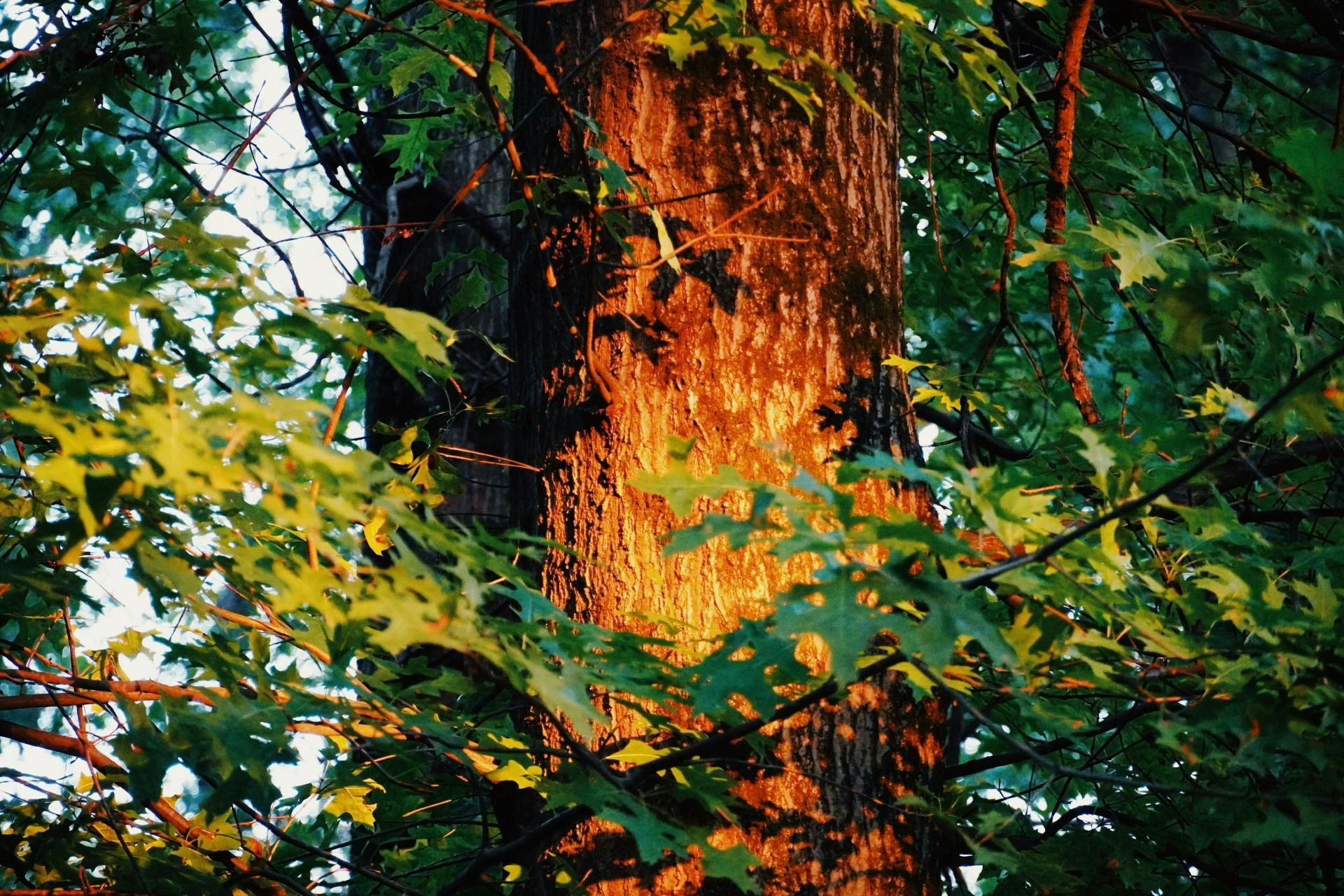
This method is particularly effective for Crepe Myrtles and Palms, which are common in the region. The light captures the unique peeling bark or the structure of the fronds, turning the plant into a living sculpture against the night sky.
Pathway and Walkway Illumination
Safety is the main reason for installing pathway lighting, but it can also enhance the landscape’s appearance. Properly placed lights illuminate walkways without shining directly into guests’ eyes.
- Path lights should be angled downward to safely highlight the footing and steps.
- Staggering lights along the path create a natural, inviting flow rather than a rigid line.
- Well-designed lighting improves visibility for steps, slopes, and elevation changes.
- This approach reduces the risk of trips and falls while enhancing the overall garden aesthetic.
Popular Lighting Fixture Types
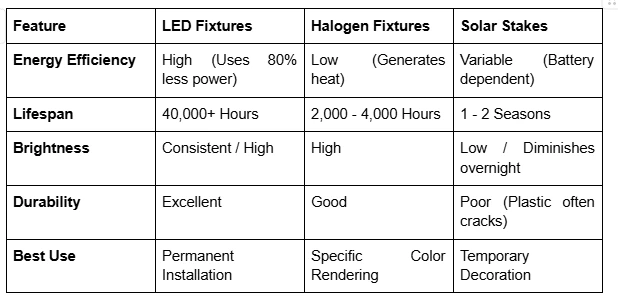
Selecting the right fixture determines the system's longevity. In Louisiana, the high humidity and intense UV exposure can quickly degrade inferior materials. Professionals recommend specific materials and light sources to ensure the system lasts for years.
The following table compares standard lighting technologies and materials to help homeowners understand the trade-offs between cost and performance.
Moonlighting for Natural Ambiance
Moonlighting is a sophisticated technique that creates a natural, soft glow over a large area. Technicians mount fixtures high in the branches of mature trees, aiming them downward through the leaves.
This filters the light, casting dappled shadows on the lawn or patio below. It mimics the effect of a full moon and provides gentle general illumination without the harshness of a security floodlight. It is ideal for entertaining areas that favor a relaxed atmosphere.
Water Feature Lighting
Gardens with fountains or ponds benefit significantly from submersible lighting. These waterproof fixtures make the moving water sparkle and glow.
Placing a light directly under a waterfall or fountain jet catches the air bubbles in the water, creating a dynamic, shimmering effect that becomes a focal point of the garden.
Bonus Tips: Managing Light PollutionUse Glare Guards: High-quality fixtures come with shrouds, or "eyebrows," that block the bulb from side views. This ensures the light goes exactly where it is aimed and does not annoy neighbors or blind passersby.
Warm Color Temperatures: Stick to warm white light (2700K to 3000K). Cool white or blue-toned lights (4000K+) look artificial and can disrupt the circadian rhythms of local wildlife.
Things to Consider Before Making a Decision
Before installing a lighting system, property owners must evaluate the power source. Low-voltage systems (12V) are the industry standard for residential landscapes because they are safe, energy-efficient, and require less invasive trenching than line-voltage (120V) systems.
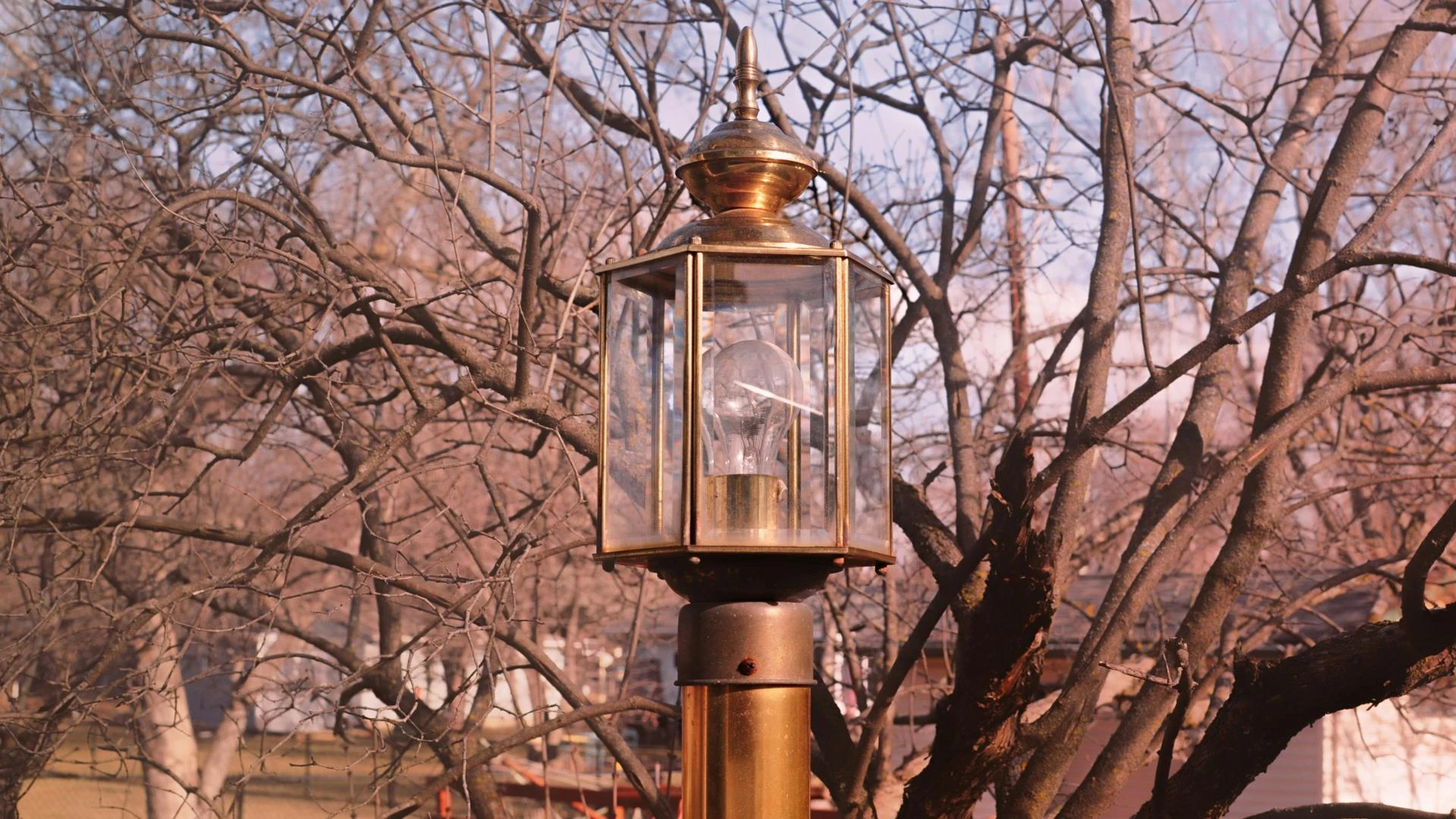
Material selection is also critical in Baton Rouge. Plastic fixtures become brittle and crack after a few summers. Aluminum can oxidize and pit. Solid brass or copper fixtures are the superior choice; they patina naturally over time and withstand the humid, salty air without failing.
Common Questions About Garden Lighting
Homeowners often ask about the control systems for outdoor lighting. Modern transformers are smart-device compatible, allowing users to control zones, set schedules, and adjust brightness from their phones.
Another common concern is the impact on plant growth. As long as the lights are not on 24 hours a day, night lighting does not negatively affect the photosynthesis cycle of established garden plants.
Summary
Outdoor lighting upgrades a garden by adding safety, security, and beauty. Techniques like uplighting and moonlighting highlight the property's natural assets, while quality materials like brass and copper ensure the investment withstands the Louisiana climate.
Homeowners who choose professional low-voltage LED systems enjoy lower energy bills and a durable, low-maintenance solution. The result is a home that looks welcoming and established, increasing both curb appeal and functional living space.
Illuminating Your Outdoor Space
Selecting the right partner to design and install landscape lighting ensures a cohesive look that enhances the property without overwhelming it. A professional team understands how to balance light and shadow to create the desired mood.
For residents in the Louisiana area, All Seasons Landscaping & Lawn Care offers expert lighting design and installation services. Their team works with high-quality fixtures built to withstand local weather conditions.
They provide customized plans tailored to each garden's unique features, ensuring a personalized result. Those interested in bringing their garden to life after dark can contact the team for a consultation.
All Seasons Landscaping & Lawn Care
Phone: (225) 276-8658
Partnering with All Seasons Lawn Care & Landscaping guarantees a brighter, safer, and more beautiful home exterior.
Frequently Asked Questions
Do LED lights attract bugs?
Warm white LED lights attract significantly fewer insects than traditional incandescent bulbs or cool white lights. The spectrum of light they emit is less visible to moths and mosquitoes.
How are the wires hidden?
Professional installers bury the low-voltage wire in a shallow trench, usually about six inches deep. The sod is carefully sliced and replaced, leaving virtually no trace of the installation after a week.
Can I add more lights later?
Yes, a scalable system uses a transformer with extra capacity. This allows the homeowner to start with the front yard and expand to the backyard later without needing to buy a new power supply.
What maintenance is required?
Routine maintenance involves cleaning the lenses to remove dirt and hard-water deposits, trimming vegetation that blocks light, and checking for exposed wires. This should be done once or twice a year.
Is professional installation necessary?
While DIY kits exist, professional installation ensures proper voltage drop calculations, waterproof connections, and artistic placement. Improper wiring is the leading cause of early system failure.
Reviewer: Sophie Williams reviewed this post and brought 7 years of field experience to her suggestions, helping ensure the content remains relevant to business owners and practical for everyday use.