
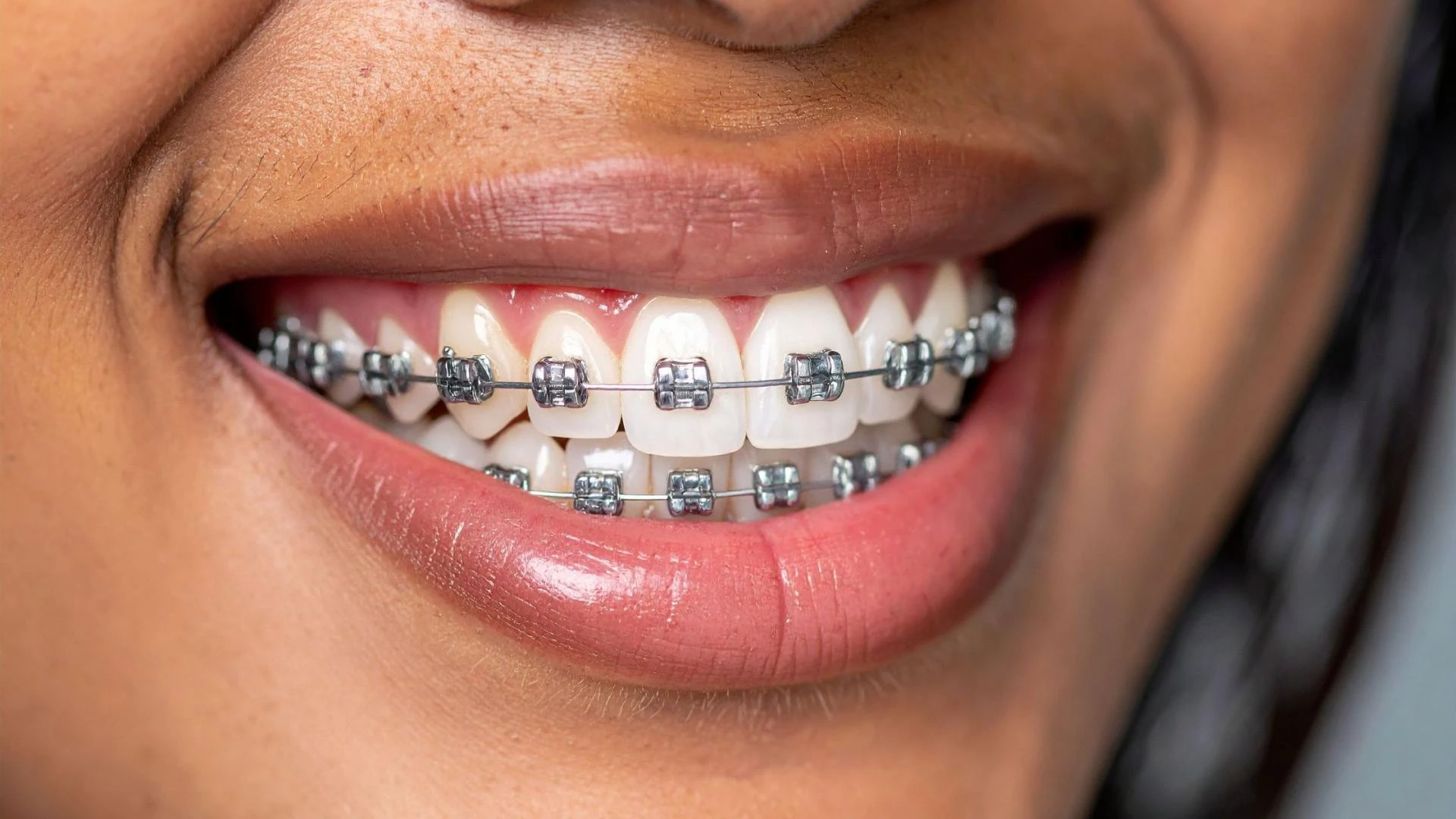
Thinking about braces can bring up a mix of emotions. Excitement about a straighter smile often comes with nerves about the process, discomfort, cost, or simply not knowing what to expect. Whether you’re a parent bringing in your child for an evaluation or an adult considering orthodontic treatment for the first time, that first appointment can feel intimidating.
The good news is that an orthodontic consultation is designed to be informative, comfortable, and pressure-free. It’s not about committing to treatment on the spot — it’s about understanding your options. If you’ve been searching for information about an orthodontic consultation Garden Grove CA, knowing what happens during that visit can help you walk in feeling confident instead of anxious.
Why an Orthodontic Consultation Matters
An orthodontic consultation is the foundation of your treatment journey. It allows the orthodontist to:
- Evaluate your teeth and bite
- Identify alignment issues
- Assess jaw positioning
- Discuss cosmetic and functional concerns
- Create a personalized treatment plan
It’s also your opportunity to ask questions, express concerns, and understand what’s possible.
No braces are placed during this first visit. It’s purely diagnostic and educational.
Step 1: Warm Welcome and Initial Discussion
Most consultations begin with a conversation.
You’ll be asked about:
- Your dental history
- Any previous orthodontic treatment
- Concerns about your smile
- Jaw discomfort or bite issues
- Habits such as grinding or thumb-sucking (for children)
For adults, discussions often focus on cosmetic goals, timing, and lifestyle considerations.
This step is important because orthodontic treatment isn’t just clinical — it’s personal. Understanding what you want from your smile helps shape the plan.
Step 2: Clinical Examination
Next comes the hands-on evaluation.
The orthodontist examines:
- Tooth alignment
- Spacing or crowding
- Overbite, underbite, or crossbite
- Jaw symmetry
- Gum health
They’ll assess how your upper and lower teeth meet and whether there are functional concerns that go beyond aesthetics.
The examination is quick and painless.
Step 3: Digital Imaging and Diagnostics
Modern orthodontic practices use advanced imaging technology to provide precise analysis.
This may include:
- Digital X-rays
- 3D scans
- Intraoral photos
- Bite impressions (often digital, not messy molds)
These tools allow the orthodontist to see:
- Tooth root positions
- Jawbone structure
- Impacted or unerupted teeth
- Overall alignment patterns
Digital scans also allow you to see a simulation of potential results in some cases.
This stage helps transform abstract ideas into visual clarity.
Step 4: Reviewing Your Treatment Options
Once diagnostics are complete, the orthodontist will review findings with you.
Depending on your needs, options may include:
- Traditional braces
- Clear braces
- Lingual braces
- Clear aligners
- Hybrid treatments
You’ll learn:
- Estimated treatment time
- Level of correction needed
- Whether treatment is mild, moderate, or complex
- If extractions are necessary (not always the case)
For patients researching orthodontic consultation Garden Grove CA, this is often the most reassuring part — understanding that treatment plans are highly customized.
Step 5: Discussing Timeline and Commitment
Orthodontic treatment requires consistency. During your consultation, the orthodontist will explain:
- How long treatment may take
- Frequency of appointments
- Importance of oral hygiene
- What adjustments feel like
- How to manage minor discomfort
Adults often ask whether treatment will interfere with work or speaking. Teens may ask about sports or school. These practical concerns are addressed openly.
Knowing what daily life looks like during braces helps reduce anxiety.
Step 6: Financial and Insurance Discussion
Cost is one of the most common sources of stress. After your treatment plan is outlined, a team member typically reviews:
- Total cost
- Payment plan options
- Insurance coverage
- Down payment details
- Monthly installment structure
Many offices offer flexible financing. The goal is transparency — not pressure.
You are not required to decide immediately. You can take time to think it through.
Common Fears — and Why They’re Usually Unfounded
“It’s going to hurt.”
While you may experience mild soreness after adjustments, modern orthodontics uses lighter forces than in the past. Discomfort is usually temporary and manageable.
“I’m too old for braces.”
Orthodontic treatment isn’t just for teenagers. Adults of all ages pursue treatment successfully. Healthy teeth can be moved safely at almost any age.
“It will take forever.”
Treatment timelines vary, but many cases fall between 12 to 24 months. Some minor corrections take even less time.
“Braces will look terrible.”
There are more discreet options than ever — including ceramic braces and lingual braces that are barely noticeable.
Questions You Should Ask at Your Consultation
Being prepared with questions can make you feel more in control.
Consider asking:
- What type of braces do you recommend and why?
- Are there non-brace alternatives?
- How long will treatment take?
- What are potential risks?
- What happens if I miss appointments?
- Will I need retainers afterward?
A good orthodontist welcomes questions and explains answers clearly.
For Parents: When Should Children Be Evaluated?
The American Association of Orthodontists recommends children have their first orthodontic evaluation by age seven. This doesn’t mean treatment begins at seven — but early assessment allows monitoring of jaw growth and tooth eruption.
Early evaluations can:
- Identify developing bite problems
- Prevent worsening alignment
- Reduce need for extensive future treatment
Parents often feel reassured after learning whether immediate action is needed or simply observation.
What Happens After the Consultation?
After your evaluation, you may:
- Schedule a follow-up to begin treatment
- Take time to consider your options
- Seek a second opinion
- Discuss financing
There’s no obligation to start immediately.
If you choose to proceed, your next appointment will involve placement of braces or fitting of aligners.
Preparing for Your Consultation
To feel more relaxed:
- Bring your dental insurance information
- Write down questions beforehand
- Bring previous dental records if available
- Arrive a few minutes early
- Keep an open mind
Remember, the consultation is about gathering information — not making a lifelong commitment on the spot.
The Confidence Factor
Many patients say their biggest regret is waiting too long out of fear. An orthodontic consultation is often far less intimidating than expected.
When you see digital models of how your smile could look, the nervousness often shifts to excitement.
Orthodontics isn’t just about aesthetics — it improves:
- Bite function
- Speech clarity in some cases
- Jaw comfort
- Long-term dental health
A straighter smile can also enhance self-confidence in both personal and professional settings.
Final Thoughts
Feeling nervous about braces is completely normal. But knowledge reduces fear. An orthodontic consultation is a relaxed, educational appointment designed to give you clarity — not pressure.
From the initial exam to digital imaging and customized treatment discussions, the process is structured to help you understand your options and feel confident about your next step.
If you’ve been considering orthodontic care but haven’t taken action yet, scheduling an orthodontic consultation Garden Grove CA is simply the first step toward understanding what’s possible. Even if you decide to wait, you’ll walk away informed and empowered.
A confident smile starts with a conversation — and that conversation might be easier than you think.