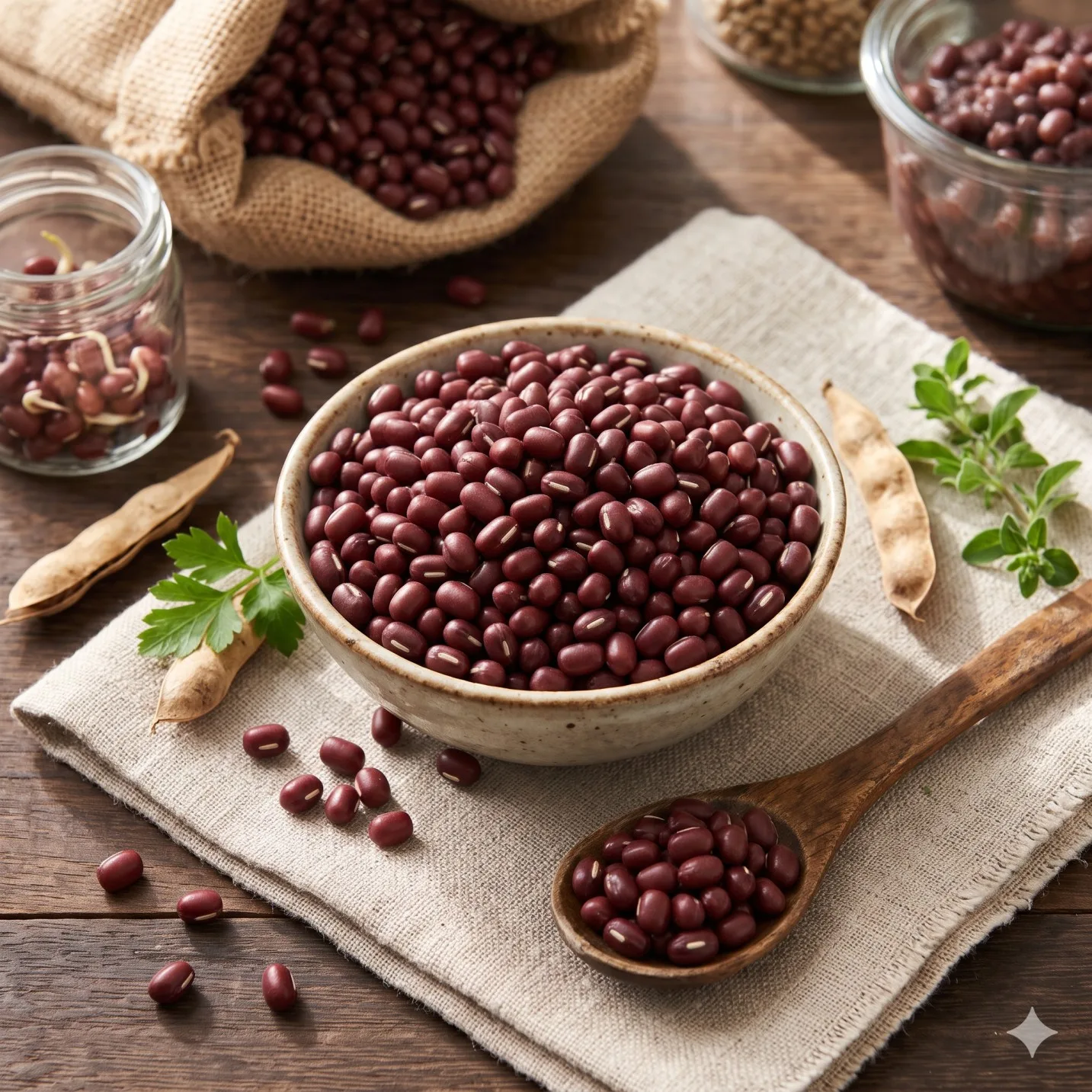
Small, deep red, and faintly sweet, adzuki beans have been a cornerstone of East Asian cooking for thousands of years, prized as much for their delicate flavor as for their dense nutrition. In recent years, as more consumers and food businesses have turned their attention toward cleaner ingredient sourcing, organic adzuki beans have moved from a specialty item found only in Asian grocery stores to a mainstream pantry staple sought after by health-conscious households, bakeries, snack manufacturers, and plant-based food brands around the world. Unlike beans grown with synthetic fertilizers and chemical pesticides, organic adzuki beans are cultivated using natural farming methods that protect the soil, support biodiversity, and leave the bean free of chemical residue, which matters a great deal to buyers who care about what ends up on their plate.
This growing demand has pushed importers and food brands to look more carefully at where their beans actually come from, how they are grown, and who grows them, and that is precisely the gap that a trusted origin partner like Robust Madagascar is built to close. In this article, we will walk through what makes organic adzuki beans worth choosing, their nutritional and health benefits, the many ways they can be used in the kitchen, and why working with an established, farm-connected supplier matters when buying in bulk for retail, food service, or manufacturing.
What Exactly Are Organic Adzuki Beans
Adzuki beans, sometimes written as azuki or aduki beans, belong to the legume family and are native to East Asia, though they are now cultivated successfully in warm, humid climates around the globe, including parts of Madagascar where the soil and rainfall patterns suit pulse farming well. When these beans are grown without synthetic fertilizers, chemical herbicides, or genetically modified seed stock, and the farming practices meet recognized organic standards, the resulting crop is classified as organic adzuki beans. This distinction is not just a marketing label; it reflects an entire approach to agriculture that prioritizes soil health, crop rotation, natural pest management, and responsible water use.
Farmers who grow organic adzuki beans typically rely on composting, intercropping, and biological pest control instead of chemical inputs, which tends to produce beans with a cleaner taste profile and a more consistent nutrient density. Because organic certification requires documentation, inspection, and traceability at every stage, buyers who choose organic adzuki beans are also buying a level of accountability that conventionally farmed beans often cannot offer. This is one of the reasons Robust Madagascar has worked closely with smallholder farmers practicing sustainable agriculture, ensuring that the pulses leaving its warehouse, including organic adzuki beans, can be traced back to the fields and communities that grew them.
The Nutritional Profile of Organic Adzuki Beans
One of the biggest reasons organic adzuki beans have earned a place in modern diets is their impressive nutritional density. These small beans are naturally rich in plant-based protein, dietary fiber, complex carbohydrates, and a wide range of vitamins and minerals, while remaining low in fat. A typical serving of organic adzuki beans delivers meaningful amounts of folate, potassium, magnesium, iron, and B vitamins, all of which play important roles in energy metabolism, muscle function, and red blood cell production.
The fiber content in these beans is particularly noteworthy because it supports healthy digestion and contributes to a feeling of fullness, which is one reason adzuki beans are popular among people managing their weight or blood sugar levels. Because organic adzuki beans are grown without chemical residues, many nutritionists and clean-eating advocates consider them a more wholesome protein source compared to conventionally farmed alternatives, especially for people who eat legumes frequently and want to minimize their exposure to agricultural chemicals over time.
Key Health Benefits of Organic Adzuki Beans
Beyond their basic nutrition, these beans offer a number of health benefits that have made them a favorite among nutrition-focused consumers and food formulators alike. The benefits generally fall into a few key categories, each of which is worth understanding on its own rather than treating as a quick bullet point:
- Digestive support: The high fiber content in adzuki beans helps regulate bowel movements, feed beneficial gut bacteria, and support overall digestive comfort, making them a popular ingredient in fiber-forward diets.
- Heart health: These beans are naturally low in saturated fat and contain potassium and magnesium, minerals associated with healthy blood pressure regulation and cardiovascular wellness.
- Blood sugar management: Because of their low glycemic impact and steady release of energy, adzuki beans are often recommended for people monitoring their blood sugar, as they do not cause the sharp spikes associated with many refined carbohydrates.
- Weight management: The combination of protein and fiber in these beans promotes satiety, helping people feel satisfied for longer after meals, which can support healthier portion control.
- Skin and antioxidant support: Adzuki beans contain polyphenols and antioxidant compounds that help the body manage oxidative stress, and choosing the organic version ensures these compounds are not diminished by chemical farming inputs.
- Plant-based protein source: For vegans, vegetarians, and flexitarians, organic adzuki beans provide a dependable source of plant protein that pairs well with grains to form a complete amino acid profile.
Taken together, these benefits explain why this humble legume has become a go-to ingredient not just in traditional Asian desserts but in modern health food products, including protein bars, plant-based snacks, and functional bakery items.
Culinary Uses of Organic Adzuki Beans
Part of what makes organic adzuki beans so versatile is their natural sweetness and smooth texture once cooked, which allows them to cross easily between savory and sweet applications. In East Asian cuisine, these beans are perhaps best known as the base for red bean paste, used in buns, mochi, pastries, and the popular shaved ice desserts found throughout China, Japan, and Korea. However, their culinary range extends far beyond dessert kitchens, and food brands are finding new uses for them every year. Some of the most common applications include:
- Red bean paste and fillings: Cooked and mashed adzuki beans are simmered with a touch of sweetener to create the smooth paste used in traditional buns, pastries, and mooncakes.
- Soups and stews: Whole adzuki beans hold their shape well during long simmering, making them an excellent addition to hearty soups, stews, and congee.
- Salads and bowls: Cooked adzuki beans add protein, color, and texture to grain bowls, cold salads, and rice dishes.
- Baking and snacking: Ground or pureed adzuki beans are increasingly used in gluten-free baking, energy bars, and plant-based snack formulations.
- Beverages: Adzuki bean tea, made by steeping or lightly roasting the beans, has become popular in wellness circles, and manufacturers increasingly prefer organic adzuki beans for this application because the beans are consumed with minimal processing.
- Sprouting: Like many legumes, adzuki beans can be sprouted, and the organic version is favored for this purpose because the absence of chemical residue makes the young shoots safer to eat raw.
This versatility is one of the key reasons food manufacturers and importers continue to look for reliable, large-volume sources of organic adzuki beans that can support both artisanal production and industrial-scale processing.
Why Organic Matters When Buying Adzuki Beans
Not all adzuki beans are created equal, and the difference between conventional and organic adzuki beans goes well beyond a label on the packaging. Conventional pulse farming often relies on synthetic fertilizers and pesticide applications to maximize yield, which can leave chemical residues on the final product and place additional strain on local soil and water systems over time. Organic adzuki beans, by contrast, are grown under farming systems that avoid these synthetic inputs entirely, relying instead on composting, natural pest deterrents, and crop rotation to maintain soil fertility.
For buyers, this translates into a product that is not only cleaner from a food safety standpoint but also tied to a more sustainable agricultural model. Many businesses that manufacture health foods, baby food, or clean-label snack products specifically require organic adzuki beans because their end consumers expect ingredient transparency and minimal chemical exposure. Choosing the organic option also tends to support smallholder farming communities more directly, since organic certification programs frequently work hand in hand with farmer training, fair pricing initiatives, and sustainable land-use practices, all of which contribute to better long-term outcomes for both the farmers and the land they cultivate.
How to Store and Cook Organic Adzuki Beans
Getting the best results from organic adzuki beans starts with proper storage and preparation. Dried beans should be kept in a cool, dry place inside an airtight container, away from direct sunlight and moisture, where they can remain stable for well over a year without significant loss of quality. Before cooking, it is good practice to rinse the beans thoroughly and sort out any discolored pieces or small stones that may have been missed during processing.
While many legumes require an overnight soak, adzuki beans are smaller and generally cook well even without extended soaking, although a short soak of a few hours can reduce cooking time and improve digestibility. Once soaked, the beans typically simmer to tenderness within forty-five minutes to an hour on the stovetop, or considerably faster in a pressure cooker, after which they can be seasoned, mashed, or incorporated into whatever dish is being prepared.
Why Choose Robust Madagascar for Organic Adzuki Beans
Sourcing organic adzuki beans at scale requires more than finding a supplier with low prices; it requires a partner who understands pulse farming, maintains consistent quality control, and can document the journey of the product from farm to port. Robust Madagascar has been active in sourcing premium food products since 2000, working directly with smallholder farmers across Madagascar who practice sustainable agriculture, and the company's pulses range, which includes adzuki beans alongside yellow mung beans, lima beans, and alubia kidney beans, reflects that same commitment to traceability and farmer partnership.
Every shipment that leaves the Robust Madagascar facility near Antananarivo is backed by the full set of export documentation buyers expect, including certificates of origin, phytosanitary certificates, and independent laboratory testing for pesticide residue and microbiological safety, giving importers of organic adzuki beans the assurance that what they are buying matches what was promised. Because Robust Madagascar works directly with growers rather than through layers of middlemen, buyers benefit from fairer pricing discovery and a supply chain they can actually inspect, either by visiting the facility in person or by requesting detailed shipment records. For companies that need these beans in bulk, whether for food manufacturing, retail packaging, or wholesale distribution, Robust Madagascar's combination of farmer relationships, quality testing, and export experience makes it a dependable origin partner rather than just another trading intermediary.
Conclusion
Organic adzuki beans sit at an interesting intersection of ancient culinary tradition and modern nutritional science, offering a small, unassuming bean that happens to be rich in protein, fiber, and essential minerals while carrying none of the chemical baggage associated with conventionally farmed pulses. Whether they are destined for a bowl of red bean soup, a batch of plant-based protein bars, or a simmering pot of congee, these beans continue to earn their place in kitchens and food production facilities around the world because they deliver on both flavor and function.
For businesses looking to build that reliability into their supply chain, partnering with an origin-based company like Robust Madagascar offers a more transparent path to sourcing organic adzuki beans, one grounded in direct farmer relationships, rigorous testing, and genuine traceability from the fields of Madagascar all the way to the final shipment.