
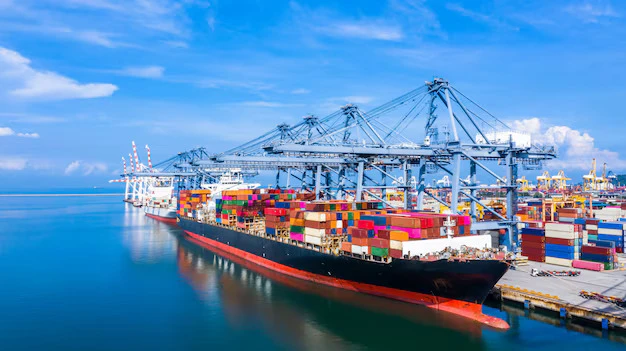
The global supply chain relies heavily on sea freight logistics to transport goods efficiently across international waters. As businesses and individuals seek affordable and reliable shipping solutions, understanding the intricacies of ocean freight is essential. From cost savings to eco-friendliness, ocean transport plays a crucial role in the worldwide movement of cargo.
Why Sea Freight Logistics is Essential for Global Trade
Shipping via ocean freight remains one of the most economical ways to move large volumes of goods internationally. Here’s why it’s a preferred method:
- Cost-Effective: Significantly cheaper than air transport, especially for bulk shipments.
- Eco-Friendly: Lower carbon emissions compared to other freight options.
- Ideal for Heavy & Large Cargo: Perfect for oversized or heavy goods that are impractical for air transport.
- Global Reach: Connects major ports worldwide, facilitating international trade seamlessly.
Understanding Sea Freight Services
Sea freight services offer various shipping options tailored to different business needs. These include:
- Full Container Load (FCL): Suitable for businesses shipping large quantities, where a single container is dedicated to one consignee.
- Less than Container Load (LCL): Ideal for smaller shipments, where multiple consignments share container space, reducing costs.
- Roll-on/Roll-off (RoRo): Used for vehicles and wheeled cargo that can be driven on and off the vessel.
- Break Bulk Shipping: Designed for oversized cargo that doesn’t fit into standard containers.
Factors Influencing Sea Freight Rates per KG
The cost of shipping via ocean freight varies based on several key factors:
- Weight & Volume: Shipping charges depend on whether the cargo is heavy or volumetric.
- Distance & Route: Longer distances and complex routes impact pricing.
- Container Type: Specialized containers, such as refrigerated or hazardous goods containers, cost more.
- Fuel & Port Charges: Fluctuations in fuel prices and terminal fees affect overall shipping costs.
Businesses looking for affordable shipping should compare sea freight rates per kg across different providers to find the best deal.
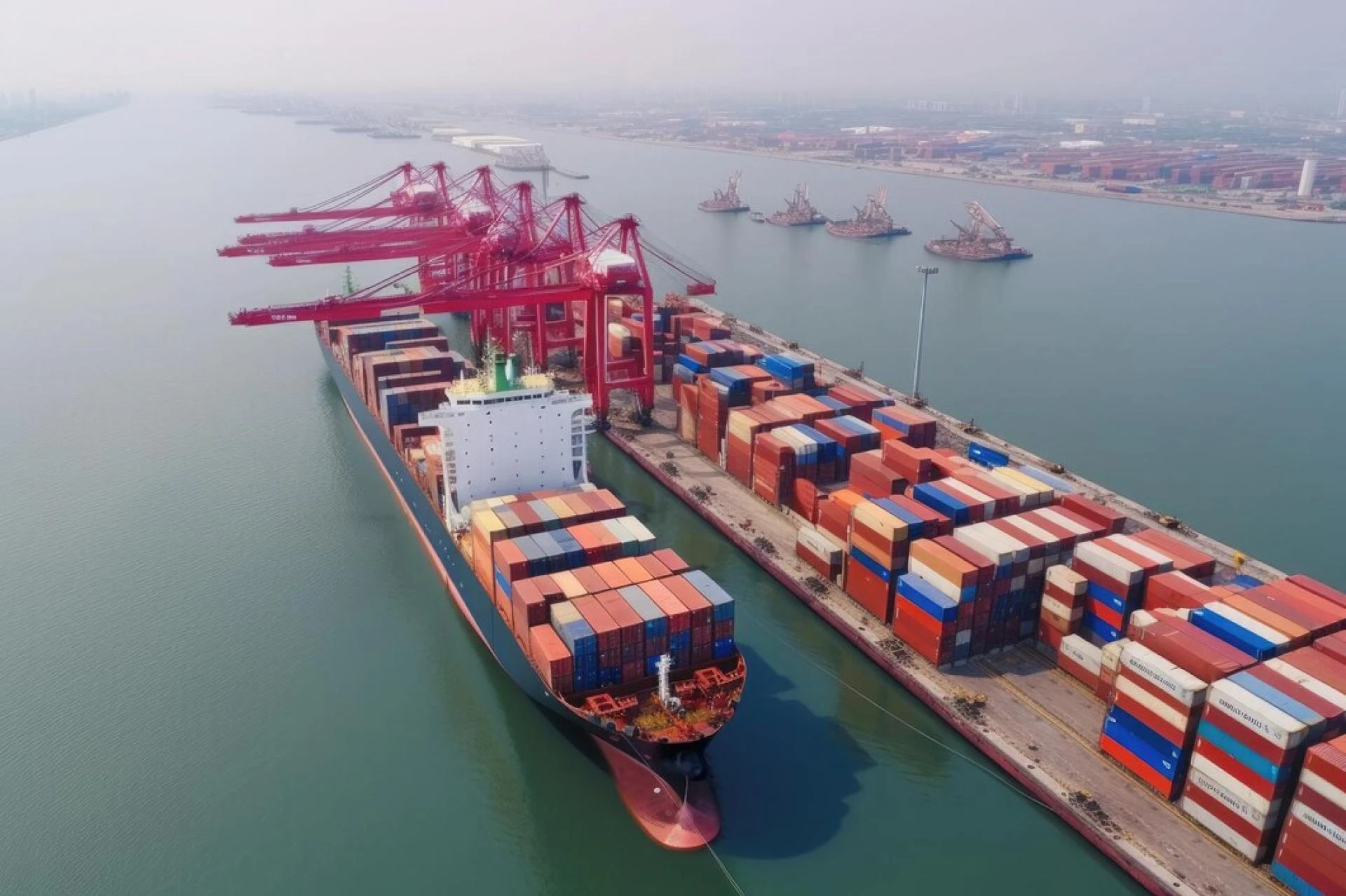
The Role of a Sea Freight Company
A reputable sea freight company plays a crucial role in ensuring smooth international trade. Key responsibilities include:
- Freight Forwarding & Customs Clearance: Handling necessary documentation and regulatory compliance.
- Cargo Consolidation: Combining shipments to optimize costs and space utilization.
- Real-Time Tracking: Providing sea freight container tracking for enhanced shipment visibility.
- Insurance & Risk Management: Offering cargo protection against unforeseen incidents.
Choosing an experienced sea freight company helps businesses mitigate risks and streamline logistics operations.
The Importance of Sea Freight Container Tracking
With digital advancements, sea freight container tracking has become a game-changer in logistics. It offers:
- Real-Time Updates: Monitor cargo movement across different checkpoints.
- Enhanced Security: Reduces risks of theft, loss, or misplacement.
- Better Planning: Helps businesses plan for timely deliveries and inventory management.
How to Reduce Sea Freight Costs Without Compromising Quality
Here are some proven strategies to minimize sea shipping costs:
- Plan in Advance: Avoid last-minute shipping to benefit from lower rates.
- Negotiate Rates: Work with freight forwarders to get competitive sea freight rates per kg.
- Use Consolidation Services: Opt for LCL shipping to share container space and save costs.
- Choose Off-Peak Seasons: Avoid peak shipping times when demand and prices are high.
Conclusion
Sea freight logistics is an essential component of global trade, offering businesses and individuals an affordable and reliable shipping solution. From cost-effective sea freight services to advanced sea freight container tracking, ocean shipping continues to evolve, providing better efficiency and transparency. If you’re looking for a trusted sea freight company to handle your shipments, Postkodes offers seamless solutions tailored to your logistics needs.
FAQs on Sea Freight Logistics
Q1: How long does sea freight shipping take?
A: Transit times vary based on the origin and destination but typically range from 20 to 45 days.
Q2: What factors affect sea freight rates per kg?
A: Distance, cargo weight, container type, port fees, and fuel surcharges influence pricing.
Q3: How do I track my sea freight shipment?
A: Most logistics providers offer sea freight container tracking systems for real-time updates.
Q4: Is sea freight better than air freight?
A: It depends on your needs. Sea freight is more cost-effective for bulk shipments, while air freight is faster but more expensive.
Q5: Can I ship small quantities via sea freight?
A: Yes, LCL shipping allows small shipments to share container space, making it an economical choice.