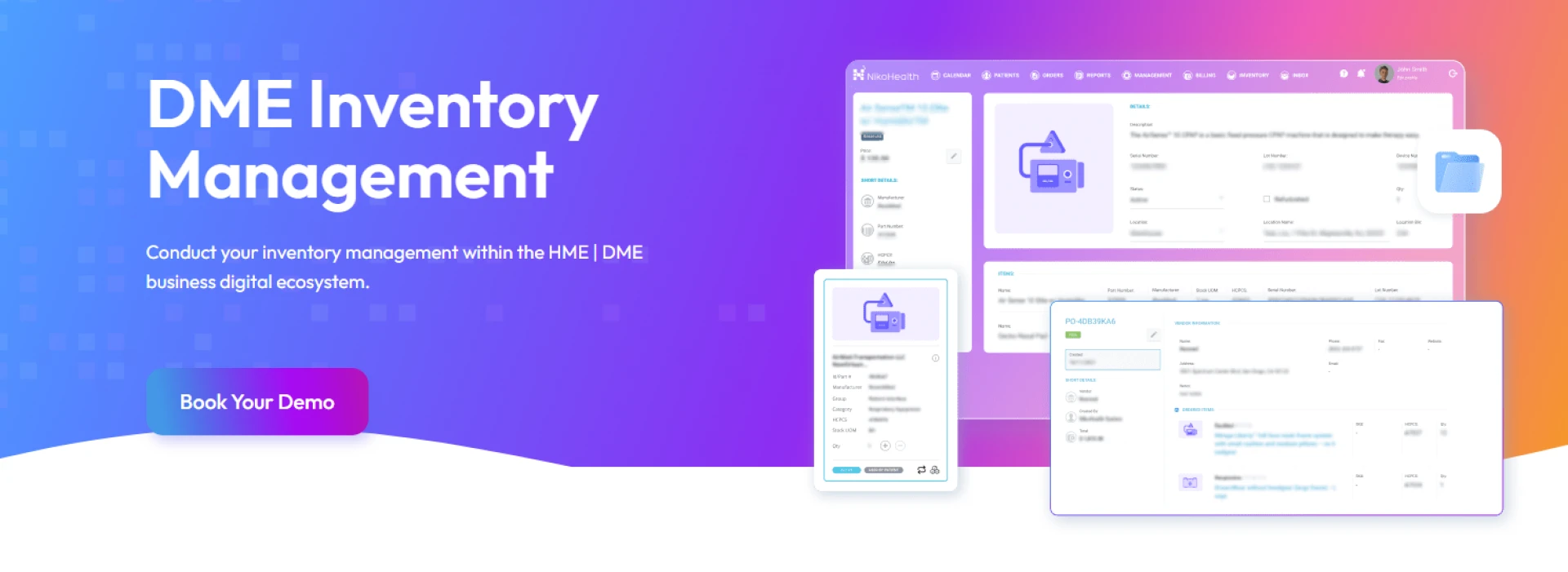
The healthcare industry is undergoing rapid transformation, driven by technology, regulatory pressures, and the need to enhance patient care while reducing operational costs. One area that has seen significant advancements is the management of Durable Medical Equipment (DME). Effective DME management is crucial for healthcare facilities, rehabilitation centers, and home care providers, as it directly impacts patient satisfaction, operational efficiency, and compliance. This is where dme inventory management software becomes an indispensable tool.
In this article, we will explore the challenges in DME management, the benefits of implementing advanced inventory software, and how it can revolutionize the way healthcare organizations handle medical equipment.
Understanding DME and Its Importance
Durable Medical Equipment refers to medical devices and supplies that patients use for extended periods to aid in their treatment or recovery. This includes items such as wheelchairs, oxygen equipment, hospital beds, CPAP machines, mobility aids, and other assistive devices. DME is typically prescribed for home use and is reimbursed through insurance programs such as Medicare and Medicaid in the United States, as well as through private insurers.
Managing DME involves not just distribution and delivery but also inventory tracking, compliance, billing, and maintenance. Mismanagement can result in stockouts, overstocking, delayed patient care, insurance claim denials, and compliance issues. Therefore, healthcare providers must adopt modern solutions to streamline operations.
Challenges in Traditional DME Management
Before the advent of specialized software, DME inventory was often managed manually or through basic spreadsheets. While these methods may work on a small scale, they present numerous challenges for modern healthcare operations:
1. Manual Inventory Tracking
Manual tracking is prone to human error. Misplaced or lost records can lead to inaccurate stock levels, resulting in patients waiting longer for essential equipment.
2. Lack of Real-Time Visibility
Without real-time inventory updates, it is difficult to know the availability of equipment. This can delay critical care, especially when high-demand devices like oxygen concentrators are needed urgently.
3. Compliance Risks
DME suppliers must adhere to stringent regulations from entities like the FDA and CMS. Manual systems make it difficult to maintain audit trails, track expiration dates, or ensure equipment is sterilized and maintained according to standards.
4. Billing and Reimbursement Issues
Insurance billing for DME can be complex due to varying coverage policies and documentation requirements. Manual systems can lead to claim errors, delayed reimbursements, and financial losses.
5. Operational Inefficiency
Without automation, staff spends more time on inventory management tasks than on patient care. This inefficiency increases labor costs and reduces overall productivity.
How DME Inventory Management Software Addresses These Challenges
Implementing dme inventory management software can transform how healthcare organizations manage their equipment, providing benefits across multiple dimensions.
1. Accurate Inventory Tracking
Modern DME software uses barcode scanning, RFID tags, and cloud-based databases to ensure precise tracking of every piece of equipment. Each item’s status—whether in stock, rented, under maintenance, or delivered—is visible in real time.
2. Enhanced Operational Efficiency
Automation reduces the need for manual entry and repetitive tasks. Staff can focus on patient care rather than chasing inventory data. For example, automated alerts can notify managers when stock levels are low, ensuring timely reordering and preventing shortages.
3. Compliance and Audit Readiness
DME inventory software ensures adherence to regulatory requirements by maintaining detailed logs of equipment usage, maintenance schedules, and sterilization records. This simplifies audits and reduces the risk of penalties.
4. Optimized Billing and Revenue Cycle
Integration with billing systems allows accurate documentation for insurance claims. This minimizes errors, accelerates reimbursements, and improves cash flow for healthcare providers.
5. Data-Driven Decision Making
Advanced reporting and analytics tools help managers identify trends, monitor equipment utilization, and optimize stock levels. Data insights can inform purchasing decisions and long-term operational strategies.
Key Features to Look for in DME Inventory Management Software
When selecting the right solution, healthcare providers should evaluate software based on its capabilities and alignment with organizational needs. Here are essential features to consider:
1. Real-Time Inventory Visibility
The software should offer a centralized view of all DME assets across multiple locations. This ensures timely availability and prevents overstocking.
2. Barcode and RFID Support
Barcode scanning or RFID tagging allows staff to quickly check items in and out, track usage, and verify delivery.
3. Automated Alerts and Notifications
Automatic notifications for low stock, upcoming maintenance, or equipment recalls improve operational efficiency and reduce risk.
4. Integration with Billing and EMR Systems
Seamless integration with Electronic Medical Records (EMR) and billing systems ensures accurate documentation for insurance claims, patient records, and compliance.
5. Maintenance and Service Tracking
Regular maintenance is critical for patient safety. The software should track service schedules, maintenance logs, and warranty information.
6. Advanced Reporting and Analytics
Reports on usage patterns, demand forecasts, and financial performance help managers make informed decisions about purchasing, staffing, and resource allocation.
Benefits of Implementing DME Inventory Management Software
1. Reduced Operational Costs
Automation and optimization of inventory reduce the need for excess stock, minimize wastage, and lower labor costs associated with manual management.
2. Improved Patient Satisfaction
Timely access to necessary equipment ensures patients receive care without delays, enhancing their overall experience and trust in the provider.
3. Regulatory Compliance
Maintaining accurate logs and audit trails ensures compliance with local and national regulations, protecting the organization from fines and penalties.
4. Enhanced Staff Productivity
By reducing repetitive administrative tasks, staff can dedicate more time to direct patient care, boosting efficiency and job satisfaction.
5. Better Financial Management
Accurate billing and inventory data improve reimbursement processes and financial planning, reducing revenue leakage and optimizing cash flow.
Real-World Applications
Healthcare organizations of all sizes benefit from dme inventory management software. Some practical examples include:
- Home Healthcare Providers: Efficient tracking of oxygen equipment, mobility aids, and hospital beds ensures patients receive timely delivery and reduces equipment loss.
- Hospitals and Rehabilitation Centers: Real-time inventory management helps manage large volumes of equipment, streamline maintenance schedules, and support compliance.
- Medical Equipment Suppliers: Optimized inventory tracking improves distribution efficiency, reduces overhead, and supports accurate billing for multiple clients.
Choosing the Right DME Inventory Management Solution
Selecting the ideal software requires careful evaluation of organizational needs, scalability, and vendor reliability. Here are key considerations:
- Scalability: Ensure the system can handle growth, whether expanding locations, increasing equipment types, or adding staff.
- User-Friendly Interface: Staff should find the system intuitive to minimize training time and errors.
- Integration Capabilities: Compatibility with existing EMR, billing, and warehouse management systems is crucial.
- Security and Compliance: Data encryption, access controls, and compliance with HIPAA regulations are essential for protecting patient information.
- Vendor Support: Reliable customer support and regular updates ensure the software evolves with industry requirements.
The Future of DME Management
As technology continues to advance, the future of DME management looks increasingly automated, connected, and intelligent:
- AI and Predictive Analytics: Future software may predict equipment demand, optimize stock levels, and forecast maintenance needs.
- IoT Integration: Smart devices can automatically report usage, wear and tear, and location, reducing manual tracking.
- Cloud-Based Solutions: Cloud platforms facilitate centralized management across multiple facilities, supporting scalability and collaboration.
- Enhanced Patient Experience: Integration with patient portals may allow individuals to track equipment delivery, request replacements, and schedule maintenance.
Conclusion
The healthcare industry is evolving rapidly, and organizations that fail to modernize their operations risk inefficiency, compliance issues, and reduced patient satisfaction. DME inventory management software provides a comprehensive solution to these challenges, ensuring accurate tracking, streamlined operations, regulatory compliance, and improved financial performance.
By investing in advanced DME software, healthcare providers, suppliers, and rehabilitation centers can optimize their operations, enhance patient care, and stay competitive in an increasingly complex and technology-driven environment.
Implementing the right DME inventory management system is no longer a luxury; it is a necessity for any organization seeking efficiency, reliability, and high-quality patient care.