
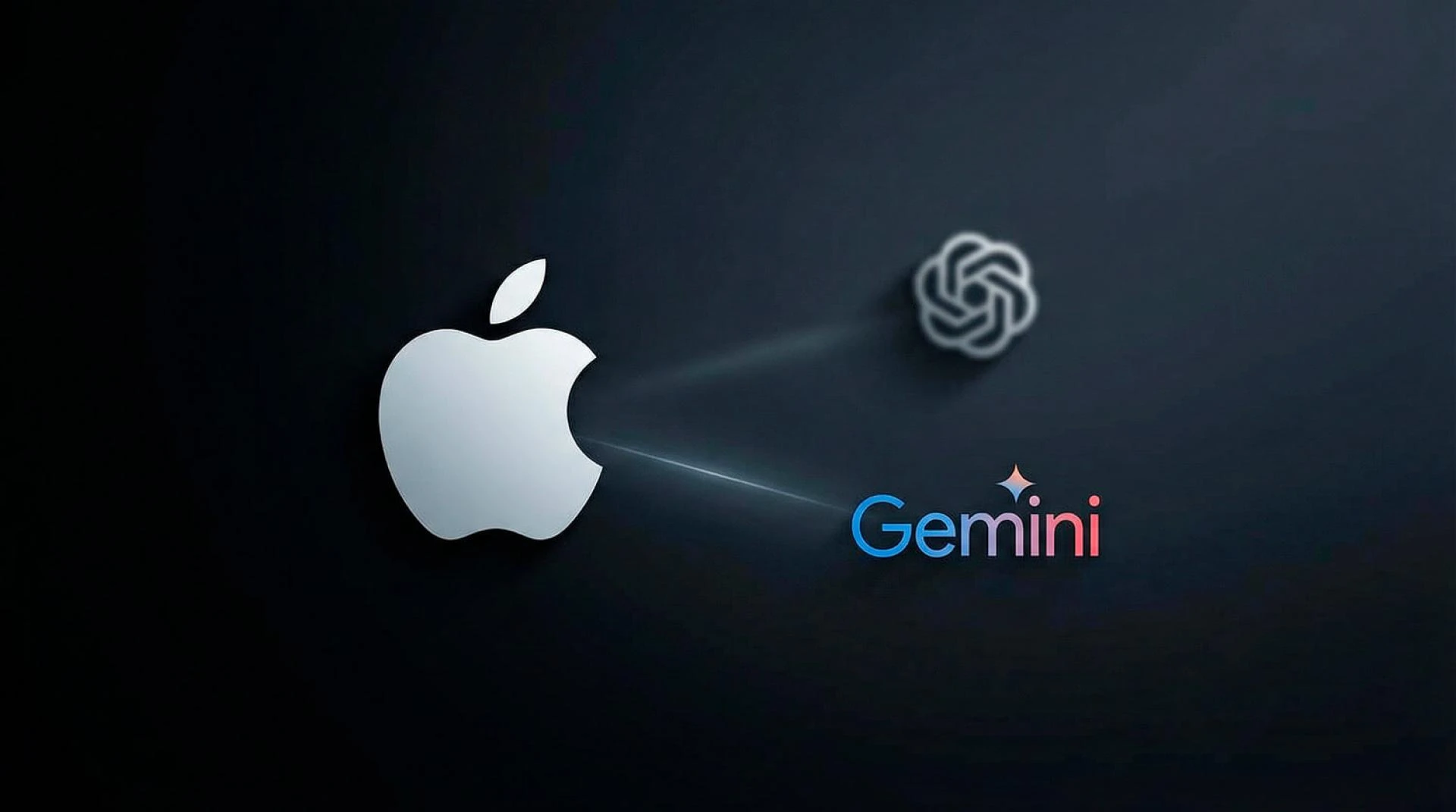
In a surprising shift that has sent ripples through the tech industry, OpenAI has reportedly stepped back from its potential role as a foundational AI provider for Apple. While early 2024 saw a historic partnership bringing ChatGPT to the iPhone, recent reports from early 2026 indicate that OpenAI has declined to become the primary custom model provider for the Cupertino giant. Instead, the AI pioneer is pivoting its resources toward a more ambitious goal: securing its own hardware supply chain and launching a dedicated line of consumer devices.
The Strategy Behind the Rejection
For years, the industry assumed that the ultimate win for any AI company was to be the "brains" behind the iPhone. However, the costs of such a partnership are high. To serve as a foundation provider for Apple, OpenAI would have needed to commit massive engineering resources to customize models for Apple’s specific hardware and privacy constraints. Sources suggest that OpenAI leadership viewed this as a potential distraction that could relegate them to being a mere component supplier rather than an independent platform.
By stepping back, OpenAI has opened the door for Google’s Gemini to take a more central role in the Apple ecosystem. This transition is expected to coincide with the arrival of new hidden ios 26 features, which will likely showcase deeper Gemini integration for system-wide reasoning and complex automation. For OpenAI, the trade-off is clear: they are sacrificing the massive distribution of the iPhone to maintain their brand's sovereignty.
Shifting Focus to Hardware and Silicon
OpenAI’s refusal to play second fiddle to Apple is rooted in its new "Stargate" strategy. The company is no longer content with just building software; it is moving toward vertical integration. This includes a massive push into custom silicon and data center infrastructure. In late 2025 and early 2026, OpenAI announced partnerships with Broadcom and Foxconn to design and manufacture its own AI chips, aiming to reduce its multi-billion dollar reliance on external hardware vendors.
This move mirrors the early days of the smartphone wars. Just as Apple took control of its processors with the A-series chips, OpenAI is betting that the most powerful AI experiences will require hardware specifically tuned for large language models. This "Silicon Renaissance" is designed to power a new category of devices that could eventually challenge the smartphone's dominance.
The Rise of OpenAI Consumer Devices
The most exciting part of this pivot is the development of dedicated AI hardware. Led by former Apple design chief Jony Ive, OpenAI is reportedly working on a suite of "peaceful and calm" devices. These prototypes—ranging from AI-powered wearables to screen-less pocket companions—are designed to interact with users via voice and vision rather than traditional apps.
For those who still prefer the reliability of a classic smartphone while waiting for the AI revolution to fully mature, there are excellent transitional options. Many savvy tech enthusiasts are looking for high-performance devices at a better value, often opting for a high-quality iphone 16 pro refurbished to get the best of both worlds. These devices still offer the hardware power needed to run local AI models while OpenAI prepares its proprietary hardware for a late 2026 launch.
Localizing the Supply Chain
A key part of OpenAI's rejection of the Apple role is its desire to control its own destiny through domestic manufacturing. The company recently issued a Request for Proposals (RFP) to reshore the production of data center components, robotics, and consumer electronics to the United States. By building a "sovereign" supply chain, OpenAI hopes to avoid the bottlenecks and geopolitical risks that have historically plagued the tech industry.
This focus on infrastructure is expensive, but it positions OpenAI as a direct competitor to the very companies it once partnered with. By controlling the racks, the cooling systems, and the silicon, OpenAI is building an "AI Operating System" that doesn't need to live inside someone else's walled garden.
The Competitive Landscape in 2026
The decision has reshaped the competitive landscape. Apple is now moving toward a "multi-model" approach, using a combination of its own in-house models and Google's Gemini. For users in emerging markets where the demand for premium tech is skyrocketing, this shift is creating a vibrant secondary market. In regions like India, the accessibility of advanced technology is no longer limited to brand-new retail units. Those looking for premium Apple experiences at a fraction of the cost can easily find a reliable second hand iphone in india through trusted platforms like EasyPhones.
EasyPhones is committed to bridging the gap between cutting-edge innovation and consumer accessibility. By providing rigorously tested and certified devices, they ensure that users can enjoy the latest AI integrations without the premium price tag. As OpenAI and Apple diverge in their strategies, the consumer wins by having more choices—whether it's an AI-native wearable or a trusted, high-performance smartphone.
Conclusion
OpenAI’s decision to reject a foundational role at Apple marks the end of the "partnership era" and the beginning of the "hardware era." By focusing on its own supply chain and custom silicon, OpenAI is signaling that it intends to be more than just an app; it wants to be the infrastructure of the future. While Apple remains the king of the smartphone world, OpenAI is betting that the next decade will be defined by devices we haven't even imagined yet.