When it comes to shipping your car across the USA, one of the first and most important decisions you'll face is choosing between open and enclosed auto transport. Whether you're relocating to another state, purchasing a vehicle online, or sending a car to a family member, picking the right method can mean the difference between a stress-free experience and an expensive headache.
At Rapid Auto Shipping, we believe every customer deserves clear, honest information before making that choice. So let's break it all down — no fluff, no filler — just everything you need to know.
What Is Open Auto Transport?
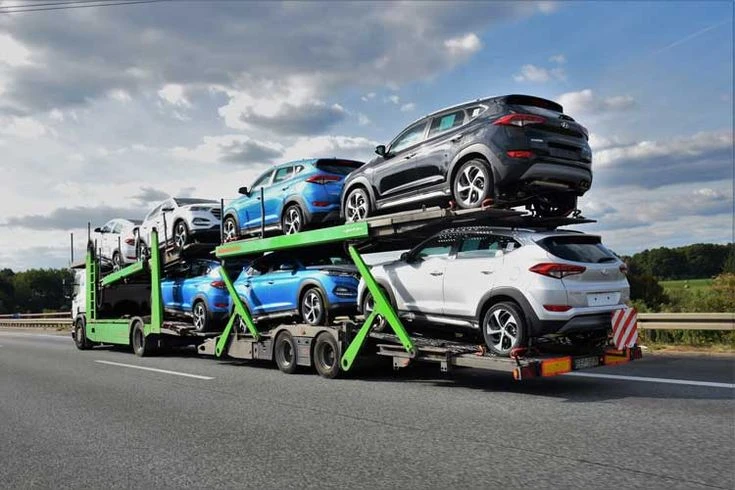
If you've ever driven on an American interstate, you've already seen open auto transport in action. Those massive, two-tiered trailers carrying up to 10 vehicles at once? That's open transport. Your vehicle is loaded onto an exposed trailer, secured with straps, and shipped alongside other cars on a fixed route.
Open car shipping is the standard and most common way to move vehicles — nearly 90% of all auto transport shipments across the USA use open carriers. FreightWaves And for good reason. Because trailers carry multiple vehicles simultaneously, fuel and operational costs are spread across several shipments, making it a budget-friendly solution for everyday vehicles. SPEEDCO
Who should choose open transport?
- Owners of standard daily drivers, sedans, SUVs, or trucks
- Customers relocating on a budget
- Anyone shipping a used vehicle between states
- Car dealerships moving inventory
The biggest trade-off? Exposure. Your vehicle will experience the open road — wind, rain, dust, and occasional road debris. That said, weather-related or road debris damage on an open trailer is actually quite rare in practice, MONARCH especially when working with experienced, reputable auto transport companies like Rapid Auto Shipping.
What Is Enclosed Auto Transport?
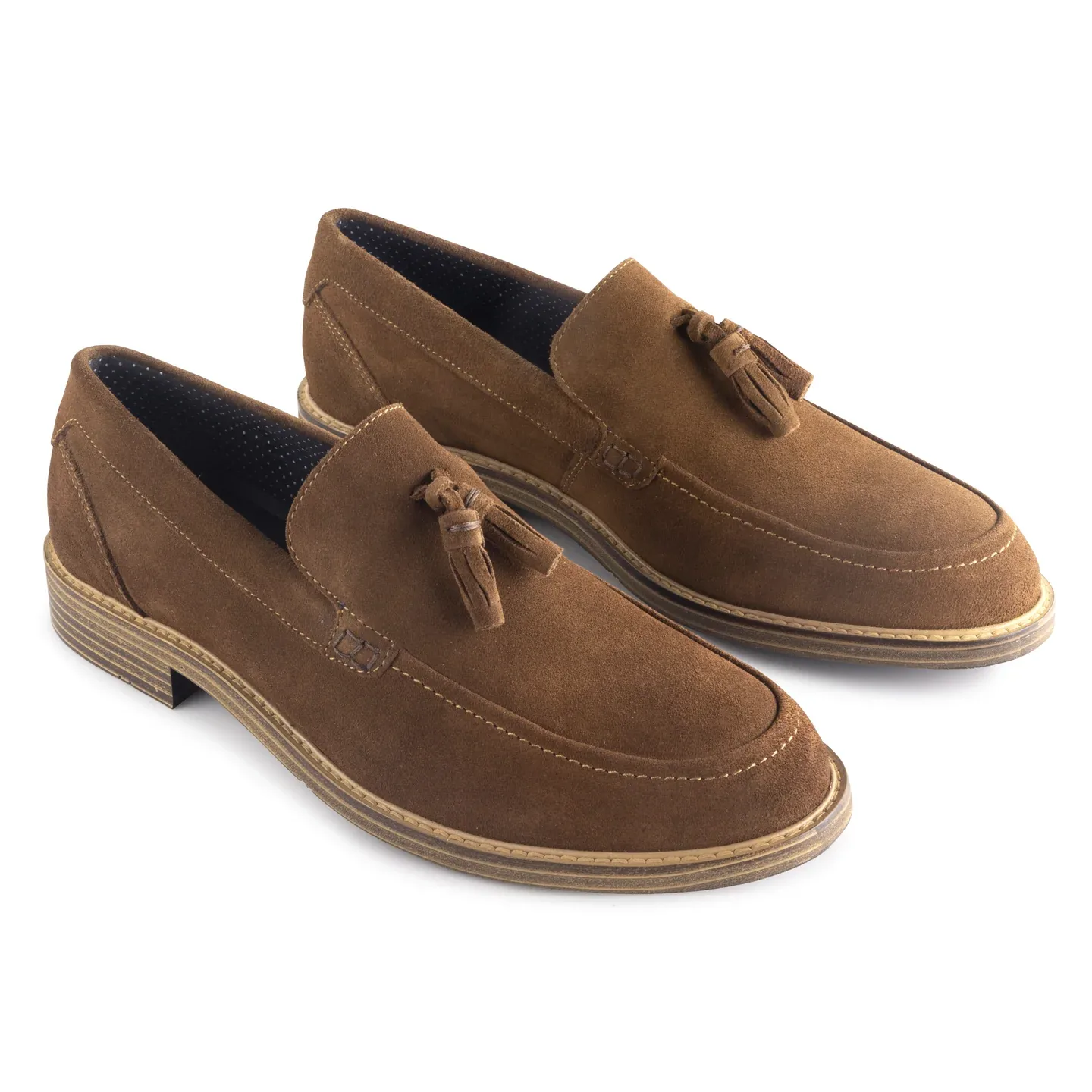
Enclosed auto transport is the premium tier of vehicle shipping. Your car rides inside a fully covered trailer with solid walls, a ceiling, and a reinforced floor — completely shielded from outside elements. Enclosed car shipping uses a fully covered trailer to shield the vehicle from weather, debris, and outside exposure, making it the premium option for customers transporting luxury, exotic, antique, or collector cars. Sherpa Auto Transport
Think of it as the difference between flying coach and flying first class. Both get you to the destination — but one comes with a whole lot more care, privacy, and peace of mind.
Enclosed transport also means fewer cars accompanying yours during transit, which reduces the chance of your vehicle being dinged along the way. An added bonus: potential thieves won't be able to spot your high-value car on the road. ConsumerAffairs
Who should choose enclosed transport?
- Owners of luxury, exotic, or collector cars
- Classic and vintage car enthusiasts
- Owners of brand-new or low-clearance sports vehicles
- Anyone who simply wants maximum protection and white-glove service
The Cost Difference: What Should You Expect?
Price is often the deciding factor for most customers, and the gap between the two options is significant.
Enclosed shipping typically runs 30–60% more than open shipping, depending on distance, vehicle size, and availability. FreightWaves To put that in real numbers, open transport for a standard-size vehicle averages around $709 for short routes (1–500 miles), $929 for medium routes (500–1,500 miles), and $1,179 for longer routes of 1,500+ miles. You can expect to pay about 30–40% more per trip for the added protection of enclosed shipping. ConsumerAffairs
For most everyday vehicles, open transport delivers excellent value. But for a $100,000 luxury sedan or a restored 1969 Mustang, paying the premium for enclosed transport is not an extravagance — it's a smart investment.
Availability and Timing: A Practical Consideration
One factor many customers overlook is scheduling flexibility. Fewer enclosed carriers operate nationwide, meaning scheduling may take longer compared to open transport, which offers wider availability and faster turnaround times. Sherpa Auto Transport
Demand for both services peaks between May and August, which means quotes start moving in spring. If you're getting quotes ahead of the busy season, the decision you make early can affect both price and availability. TCI Logistics
Rapid Auto Shipping recommends booking at least two weeks in advance regardless of the method you choose, and even earlier if you're opting for enclosed transport during peak summer months.
Insurance Coverage: Don't Skip This Step
Both open and enclosed carriers are legally required to carry cargo insurance — but coverage limits vary. Enclosed carriers often offer higher coverage limits because they typically transport higher-value vehicles. FreightWaves Before booking with any auto transport company, always ask for proof of insurance, verify the carrier through the FMCSA, and check whether your personal auto insurance policy extends coverage during transit.
So, Which Option Is Right for You?
Here's a simple way to decide:
Choose Open Transport if:
- You're shipping an everyday vehicle
- You're working within a set budget
- You want faster pickup and more flexibility in scheduling
Choose Enclosed Transport if:
- Your vehicle is a luxury, exotic, or classic car
- You're shipping a brand-new vehicle
- You want full protection from weather, debris, and road exposure
- Peace of mind is a top priority
Ship with Confidence — Choose Rapid Auto Shipping
Whether you need open or enclosed auto transport anywhere in the USA, Rapid Auto Shipping connects you with vetted, licensed, and insured carriers ready to move your vehicle safely and on time. We offer transparent pricing, real-time tracking, and dedicated support from quote to delivery.