
Walk down a busy street, and you’ll hear fragments of conversation everywhere—someone talking about a new law, a rumor about an upcoming protest, or a complaint about rising prices. On the internet, those fragments aren’t overheard by chance. They’re posted, shared, and multiplied thousands of times. For governments, those conversations—whether on social media, blogs, or open forums—are now a vital source of knowledge.
That practice has a name: open source intelligence. It’s the art of gathering information that’s already public and piecing it together to see the bigger picture. Unlike secret files or covert missions, this isn’t about locked doors or hidden microphones. It’s about paying attention to what people willingly put into the open.
In recent years, the importance of this work has grown. From disinformation during elections to fast-moving health rumors during the pandemic, open sources often provide the first signal of trouble. The challenge is no longer whether the information is available—it’s how to handle the sheer volume of it.
When Too Much Information Becomes the Problem
If you’ve ever tried to follow a breaking story on Twitter or Instagram, you’ll know how quickly the feed becomes overwhelming. Thousands of voices, photos, and hashtags collide, and it’s hard to tell what’s true or important. Multiply that by millions, and you’ll understand the scale of the problem governments face.
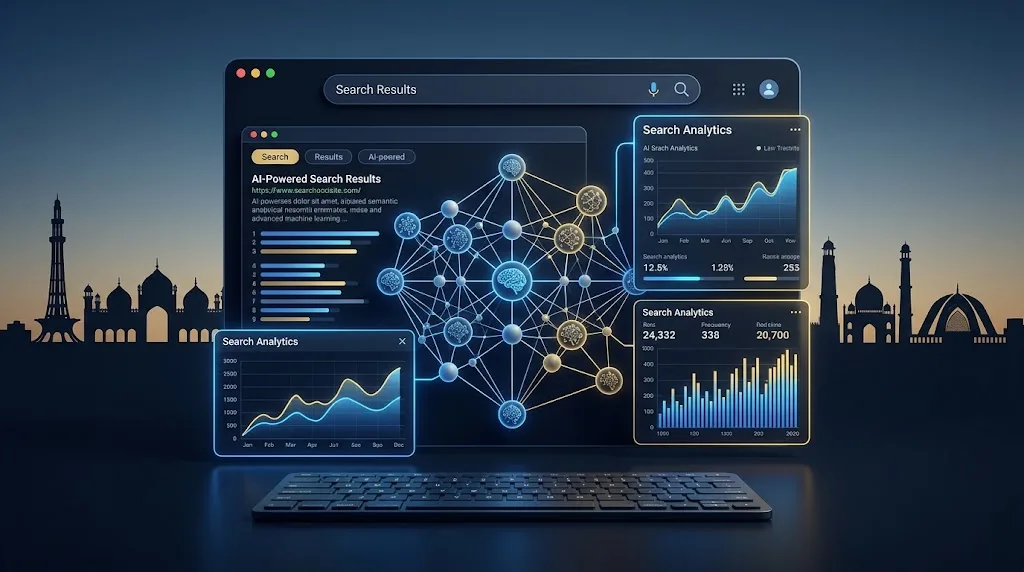
That’s why many agencies now rely on open source threat intelligence tools for government. These tools are designed to cut through the noise. They scan mountains of posts, detect unusual spikes, highlight repeated narratives, and give analysts a clearer view of what’s happening. Without them, critical warning signs might get buried in a flood of irrelevant chatter.
Think of it this way: the information is already there, but the tools act like a lighthouse, pointing to the signals that matter most.
From Social Media to Security Briefings
The uses of open source intelligence are surprisingly wide. During protests, analysts can track where gatherings are forming and how public sentiment shifts in real time. In cybersecurity, monitoring open forums on the dark web can reveal early chatter about attacks on critical infrastructure. In public health, governments can spot harmful misinformation—like fake cures—before it spreads too far.
A good example came during the early days of COVID-19. While official reports lagged, posts from citizens in affected areas gave some of the first real clues about what was unfolding. Governments that knew how to listen to those voices had a head start in understanding the crisis.
This doesn’t mean OSINT replaces traditional intelligence. Rather, it complements it. Classified sources may provide depth, but open sources provide speed. Together, they give a more complete picture.
The Human Touch Still Matters
Even the best tools can’t replace judgment. Algorithms can spot trends, but they don’t always understand context. A spike in a hashtag might mean genuine outrage—or it might mean a coordinated campaign. A photo might go viral because it’s powerful—or because it’s misleading.
That’s why analysts remain at the heart of open source work. They use the tools to find signals, but interpretation is still human. It’s their job to weigh credibility, understand nuance, and consider cultural context. The tools are there to support, not replace, human reasoning.
And it’s also humans who keep the process ethical. Monitoring public data is one thing; crossing into private spaces is another. Responsible use of open source intelligence means focusing only on what’s openly shared, with clear respect for privacy and civil liberties. Without that balance, governments risk losing the trust of the very people they’re trying to protect.
The Road Ahead
Technology continues to reshape how OSINT is done. Artificial intelligence is being woven into analysis platforms, making it easier to interpret images, videos, and even tone of voice in posts. Instead of relying only on keywords, future systems may detect intent or coordinated behavior automatically.
For governments, the direction is clear. The volume of public data isn’t shrinking—it’s exploding. Investing in open source threat intelligence tools for government isn’t about luxury anymore; it’s about necessity. Those who can’t process information at scale risk falling behind in crises, whether that means missing early warnings of disinformation or failing to see a security threat taking shape.
Closing Thoughts
Open source intelligence is, at its core, a simple idea: pay attention to what’s already visible. But turning that flood of data into meaningful insight takes skill, discipline, and the right tools.
Used well, OSINT helps governments act faster, respond smarter, and stay connected to the realities unfolding in society. It turns noise into knowledge. It turns scattered voices into a map of risk and opportunity. And in a time when trust and safety are both fragile, it may be one of the most important resources governments have.
Sometimes, the most valuable information isn’t hidden at all. It’s right in front of us—waiting to be noticed.