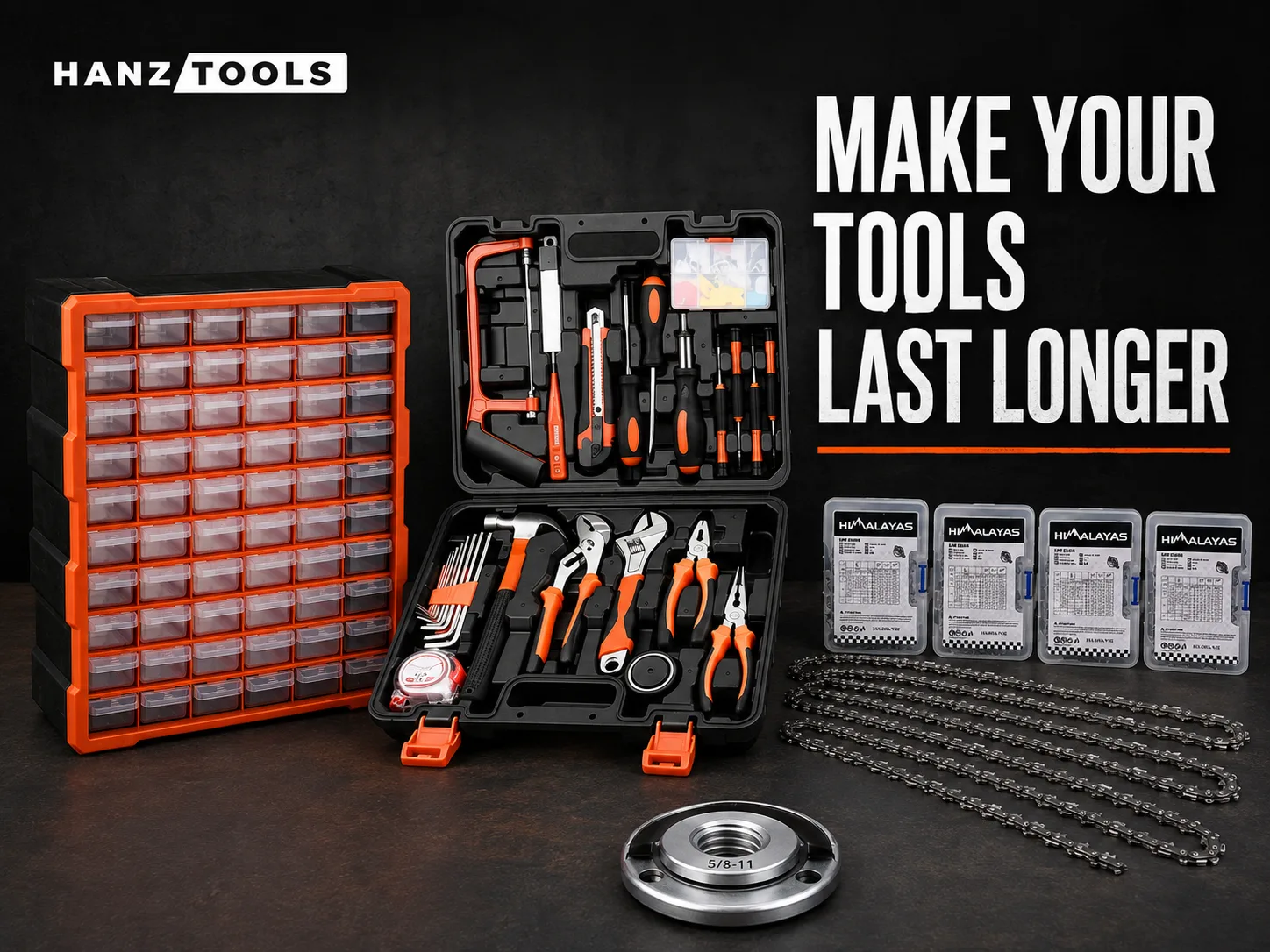
Whether you are handling household repairs, maintaining a vehicle, or setting up a personal workshop, having the right equipment can make each task more manageable. An online tool store helps you browse different tool categories, review product details, and compare options without visiting multiple physical shops.
The key is knowing what to look for before making a purchase. A little preparation can help you choose practical tools that suit your projects, available workspace, and budget.
Identify the Tools You Actually Need
Start by listing the tasks you regularly perform. Someone who mainly handles household maintenance will have different requirements from a person working on vehicles or completing frequent workshop projects.
Common tool categories include:
- Hand tools: Useful for basic assembly, tightening fasteners, measuring, and everyday maintenance.
- Automotive tools: Designed to support vehicle servicing and common garage tasks.
- Workshop equipment: Helps organize work areas and supports repeated tasks.
- DIY tools and accessories: Suitable for home improvements, small repairs, and personal projects.
A needs-based checklist makes shopping more efficient and helps prevent spending money on equipment that does not suit your intended applications.
Understand Specifications Before Buying
When shopping online, product specifications are among the most important details to review. Dimensions, materials, compatibility, and included accessories can all influence whether a tool is suitable for a particular job.
For example, a tool used for automotive maintenance may need to match a specific component or measurement. Similarly, workshop equipment must fit the available space and work with your existing setup.
Read product descriptions carefully and check any stated limitations. If a product has a particular application, do not assume it is suitable for every similar task.
Consider Quality, Convenience, and Value
A good purchasing decision balances cost with practical usefulness. Rather than choosing solely by price, consider how often you will use the tool, the type of work involved, and the features that matter most.
For occasional DIY projects, a basic tool may meet your needs. For regular workshop use, it may be worth comparing construction, ergonomics, and suitability for repeated tasks.
It is also useful to check whether the product includes the accessories you need. Understanding what comes in the package can help you estimate the total cost of completing your project.
Make Online Shopping More Efficient
One advantage of an online tool store is the ability to compare products at your own pace. Use a consistent checklist when reviewing options:
- Confirm the tool's intended application.
- Compare measurements and technical specifications.
- Review the included components and accessories.
- Check the product information and purchasing terms.
- Select the option that best matches your requirements.
This approach makes it easier to narrow down the choices and focus on tools that offer genuine practical value.
Build a More Organized Workshop
Selecting the right tools is only part of creating an effective workspace. Keeping equipment organized can save time and make projects easier to manage.
Group tools according to their purpose, store frequently used items within easy reach, and keep specialized automotive equipment separate from general household tools. Regularly checking your collection can also help identify missing essentials before starting a project.
Even a small garage or home workbench can become more functional with a clear storage system and a carefully selected set of tools.
Find Tools for Your Next Project at HanzTools
HanzTools offers tools and equipment for a variety of DIY, automotive, and workshop applications. If you are looking for an online tool store, browsing the available selection can help you identify products suited to your planned tasks.
Visit https://hanztools.com/ to explore the range and review product details before making your choice.
Conclusion
Finding suitable tools does not have to be complicated. Start with your project requirements, compare specifications, consider practical value, and choose equipment that fits your intended use. With a thoughtful approach, you can build a more useful tool collection and prepare for future repairs and workshop projects with greater confidence.