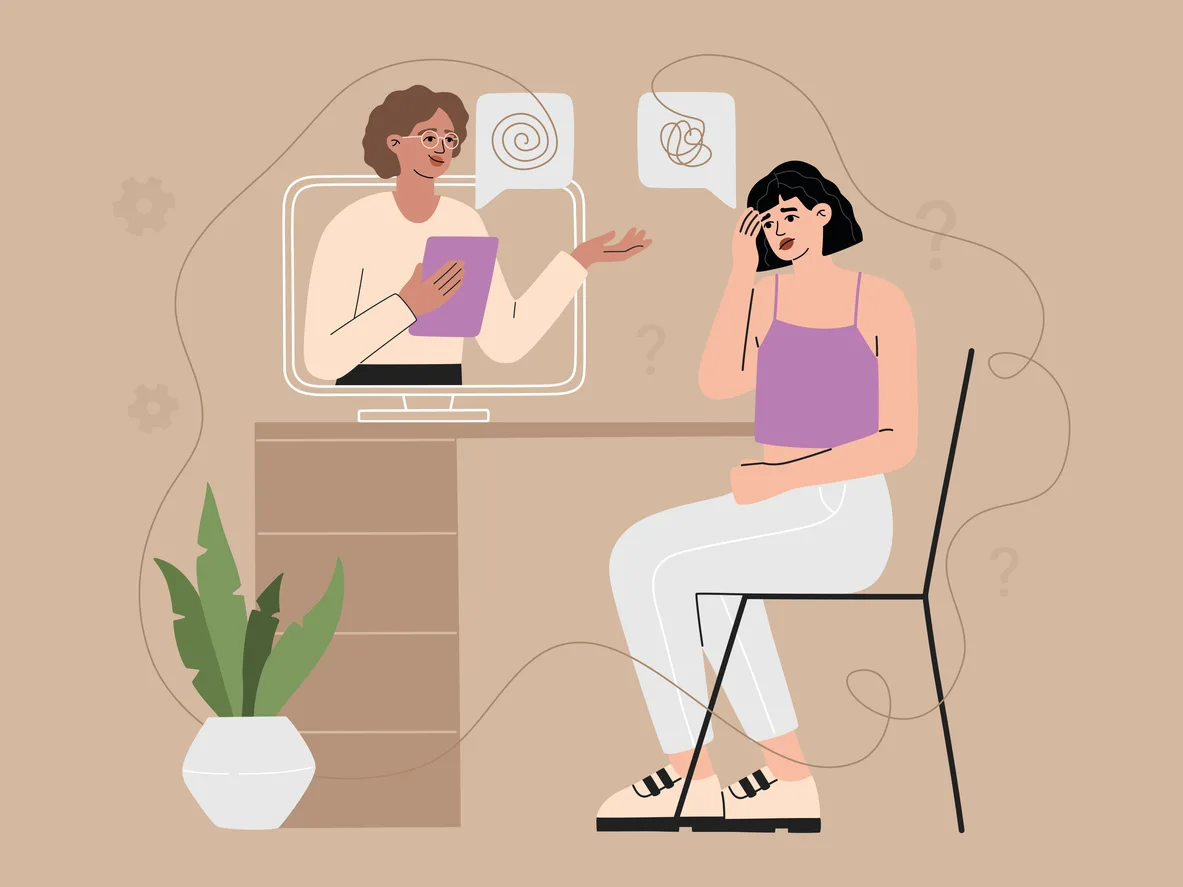
Sometimes life just weighs heavily on the heart like a ton of bricks. There are those days when getting out of bed seems like the hardest thing in the world. Days when the mind is constantly racing, or when nothing feels okay anymore. And these are the days when the last thing somebody wants to do is travel, sit in a waiting room, and feel like talking to a doctor in-person.
Studies show that 1 in every 5 individuals experiences a mental health disorder yearly. This suggests that millions of individuals silently encounter the same issue. However, as of today, it is possible to get professional psychiatric care as easily as ever before. There is nothing more to do than just get an online psychiatrist appointment, even staying at home and using your phone, tablet, or computer. What it takes is simply to take the first step willingly. Moreover, an online psychiatrist consultation is no longer a last resort but has instead become a game-changing solution. Keep reading to learn more in detail below.
What is an online psychiatrist appointment?
An online appointment with a psychiatrist is similar to a face-to-face consultation. The only difference is that instead of meeting face-to-face, a qualified psychiatrist can be seen via a secure video connection from the comfort of their own place. There's no need to travel, wait in a waiting room, or take time off work.
There is still a stigma that treatment delivered via the internet is not as serious as treatment delivered in a traditional setting. This is not at all true. Studies by the American Psychiatric Association demonstrate that an online psychiatrist appointment is equally effective, provided it is conducted stringently.
Who can benefit from an online appointment?
- Persons in remote areas with no local psychiatrist
- Those who undergo severe physical or mental ailments, which make traveling extremely difficult
- People with anxiety, agoraphobia, or PTSD who cannot cope with public spaces
- Individuals who have to go through mental health screening for employment or disability purposes
- Anybody who handles a busy life and needs a convenient option
Who can an online psychiatrist help?
Different experts in psychiatry specialize in the following areas:
- General Psychiatrists: People older than 18 who have many different mental illnesses
- Child and Adolescent Psychiatrists: Children and teenagers who are emotionally or behaviorally disturbed.
- Geriatric Psychiatrists: People who are older adults and thus are more prone to depression, memory problems, or other life transition difficulties.
- Neuropsychiatrists and Neurologists: People who have a mental health condition associated with brain and nervous system health.
- Psychopharmacologists: Medicare expertise related to psychiatric medicine.
- Forensic psychiatrist: Specializing in psychiatry focusing on the interface of psychiatry and the law.
At GABA Telepsychiatry, during an appointment with a psychiatrist, whether online or face-to-face, consider the following:
- More of a heart-to-heart conversation rather than a rushed five-minute visit
- Not only the diagnosis, but also the discussion of medication history, and the priorities in mental condition treatment, lifestyle changes, and family and other relationships.
- The mental state, the mood, one's thought patterns, and focus throughout the day
- A detailed action plan designed specifically for you, not a one-size-fits-all pill
- The follow-up care to monitor the treatment process and adjustment in treatment as required
The psychiatrist, after the evaluation, develops a personalized treatment regimen that includes:
- Medication management
- Talk therapy, for example, cognitive behavioral therapy
- Lifestyle changes in sleep, stress, and daily routines
- A combination of all the above
Can an online psychiatrist prescribe medication?
Yes. If that psychiatrist is licensed in that state, then they can send the prescription electronically to the pharmacy of the person's choice. For example, if you live in New Jersey, a board-certified psychiatrist New Jersey can prescribe medication if needed for your condition.
Additionally, it is important to debunk the myth about ‘psychiatric medication’:
Most people are afraid of taking psychiatric medication. There is no doubt that one of the reasons causing this reaction is ‘fear of addiction’. But this is not entirely true. Actually, the majority of patients show up in the office already on the wrong medication, the wrong dose, or without proper follow-up, and do not receive the follow-up they need.
It is not just about medication. The correct medication selection process may also include visits, monitoring the condition, and observing whether the medication suits them. The thing is not to just write the scripts and have appointments completed to survive on their own. It is about real-deal problem-solving that is open to one unique input.
It is not just medication. Therapy matters too:
Online psychiatry, in addition to medication, provides talk therapy. It is not a one-liner lead-in to the therapy; rather, it is a well-planned series of sessions that help the person see more clearly into their mind, change negative thinking habits, and grow stronger over time. Some examples of talk therapies are:
- Cognitive Behavioral Therapy (CBT): CBT targets negative or unhelpful thought patterns and helps replace them with positive or more useful ones.
- Psychodynamic Therapy: In this type of therapy, help understand some unresolved issues from the past that influence current behavior.
- Family Therapy: This is all about family members building stronger connections and showing more support towards one another.
Furthermore, several studies support the inclusion of therapy and medication in the treatment plan. Typically, the online platforms that allow any of these processes can be done without leaving home.
For any mood changes following neurological problems (e.g., Alzheimer's disease, multiple sclerosis, and meningitis), it is best to consult a neuropsychiatrist near me, a medical doctor trained in both neurology and psychiatry for comprehensive care.
How to make the most of the appointment?
To make it easier for you, here are the things that may help:
- Write down before the appointment your feelings, symptoms, and thoughts
- Put down the names of the medicines you currently take in the list
- Reflect on the mental conditions in your own or your family history
- Speak the truth, even when it looks as if it is far too embarrassing or scary to say
The more you share, the more a psychiatrist can help. There is no wrong or right thing to say. A psychiatrist has experienced such things before, understands them well, and does not judge.
Again, remember that the care of the mind is as important as the care of the body. And now, the care is just one click away.