
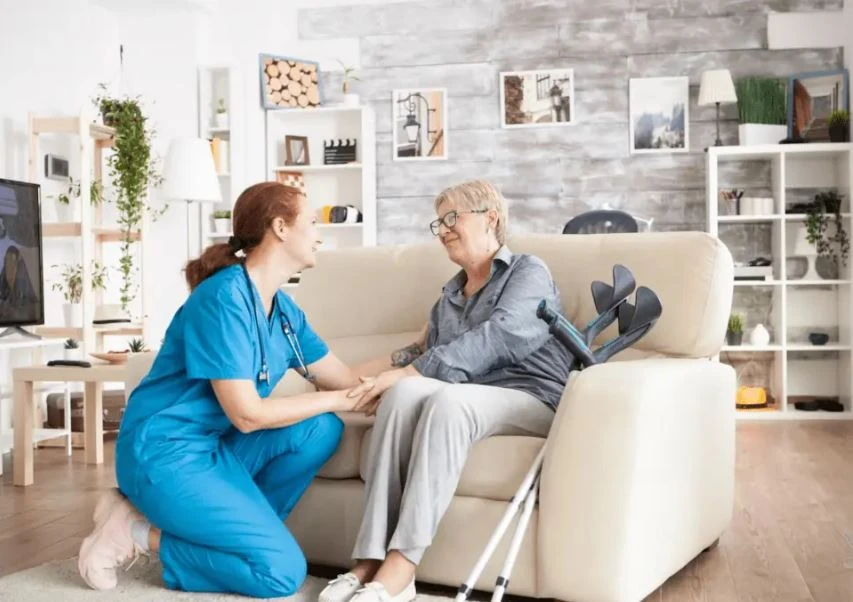
Healthcare is rapidly evolving to meet the needs of modern lifestyles. Patients today expect faster access, flexible scheduling, and personalized care. On demand medical services are transforming the healthcare landscape by providing immediate medical support whenever and wherever patients need it. From virtual consultations to home medical visits, these services make healthcare more accessible, efficient, and patient-centered.
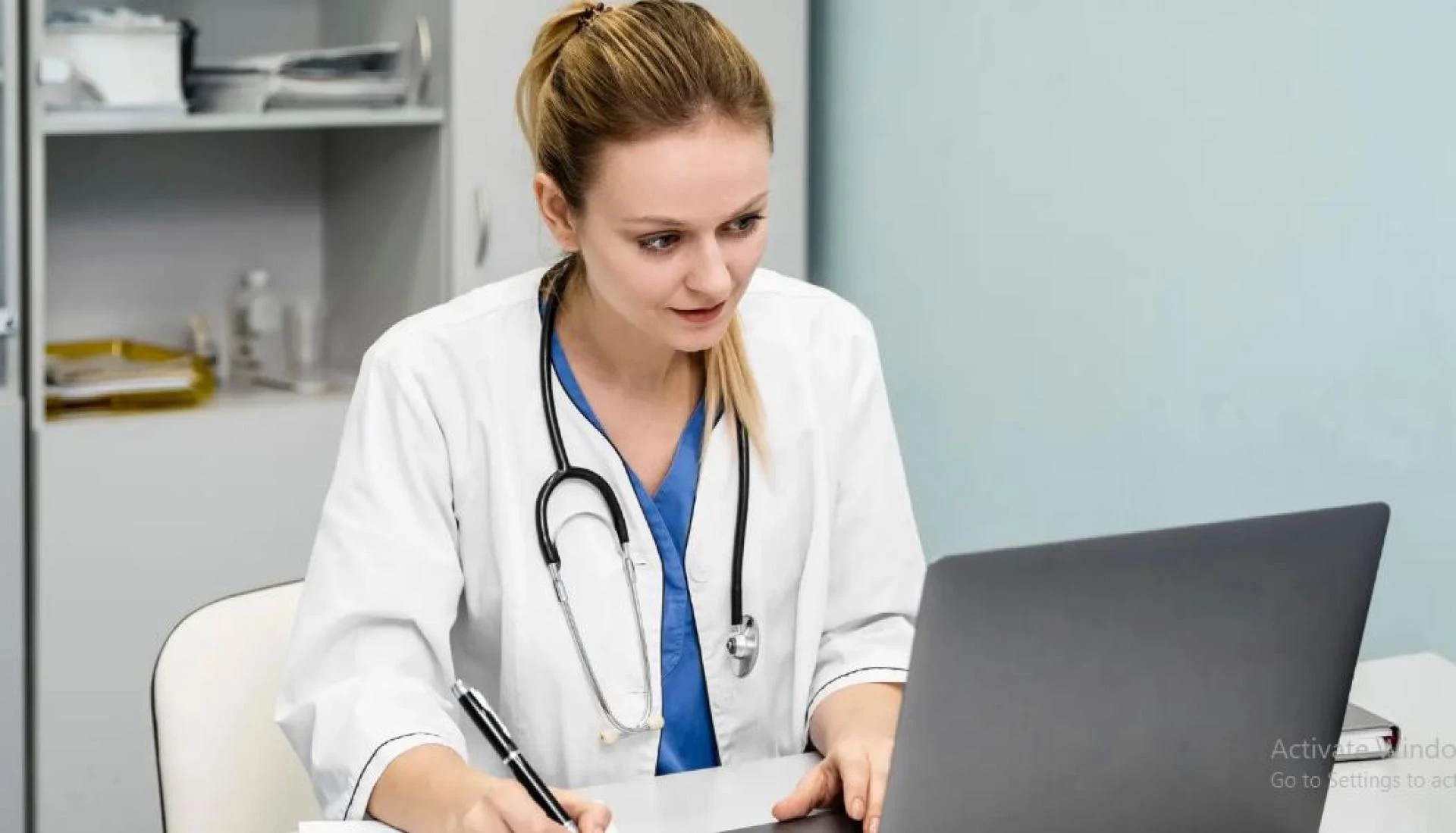
What Are On Demand Medical Services?
On demand medical services refer to healthcare solutions that allow patients to access medical professionals quickly without long waiting times or complicated scheduling. These services can be requested instantly through digital platforms, mobile apps, or online booking systems.
Instead of waiting days or weeks for a traditional appointment, patients can connect with licensed doctors, nurses, or healthcare providers within minutes or hours.
On demand medical services commonly include:
- Virtual doctor consultations
- Home medical visits
- Mobile diagnostic services
- Prescription management
- Remote health monitoring
- Urgent care support
This model focuses on delivering healthcare at the patient’s convenience while maintaining professional medical standards.
Why On Demand Medical Services Are Growing in Popularity
The demand for faster and more flexible healthcare solutions continues to grow. Several factors are driving the popularity of on demand medical services.
Changing Patient Expectations
Modern patients value convenience and speed. With busy work schedules and family responsibilities, many people prefer healthcare services that fit into their daily routines.
Advances in Digital Health Technology
Telemedicine platforms, mobile applications, and remote monitoring tools allow healthcare providers to deliver medical services without requiring physical clinic visits.
Increased Focus on Preventive Care
On demand medical services encourage regular health checkups and early disease detection by making healthcare more accessible.
Healthcare Accessibility
These services help bridge gaps in healthcare access for individuals who live in remote areas or have limited mobility.
Types of On Demand Medical Services
Healthcare providers now offer a wide range of on demand medical services designed to meet different patient needs.
Telemedicine Consultations
Telemedicine is one of the most popular forms of on demand healthcare. Patients can connect with doctors through video calls, phone calls, or secure messaging platforms.
Common telemedicine services include:
- General health consultations
- Prescription renewals
- Mental health support
- Follow-up medical visits
- Minor illness diagnosis
Telemedicine eliminates travel time and allows patients to receive professional medical advice from the comfort of their homes.
Home Doctor Visits
Some medical providers offer home visits where a physician or nurse travels directly to the patient’s location. This option is particularly useful for individuals who prefer face-to-face consultations without visiting a clinic.
Home medical visits may include:
- Physical examinations
- Treatment for minor illnesses
- Medication administration
- Chronic disease monitoring
- Pediatric care
Mobile Diagnostic Services
Mobile healthcare units can provide diagnostic services such as blood tests, ECG monitoring, and imaging procedures at home.
These services are especially beneficial for elderly patients or individuals with mobility limitations.
Urgent Care Services
On demand urgent care services offer immediate medical attention for non-life-threatening conditions.
Patients can receive rapid treatment for issues such as:
- Minor infections
- Allergic reactions
- Cold and flu symptoms
- Minor injuries
This helps reduce overcrowding in emergency rooms while ensuring patients receive prompt care.
Benefits of On Demand Medical Services
The rise of on demand medical services offers several advantages for both patients and healthcare providers.
Convenience
Patients can request medical assistance at any time without waiting for traditional appointments.
Faster Access to Care
On demand services significantly reduce waiting times, allowing patients to receive medical advice and treatment quickly.
Personalized Healthcare
Healthcare providers can tailor services based on individual patient needs and medical history.
Reduced Hospital Visits
By addressing minor medical concerns remotely, on demand services reduce unnecessary hospital visits and healthcare costs.
Improved Patient Satisfaction
Patients appreciate the flexibility and comfort provided by healthcare services that fit into their lifestyle.
How On Demand Medical Services Work
The process of accessing on demand medical services is typically simple and user-friendly.
Step 1: Booking a Service
Patients schedule a consultation or medical visit through a website, mobile app, or healthcare platform.
Step 2: Medical Assessment
Healthcare professionals review the patient’s symptoms, medical history, and current health concerns.
Step 3: Consultation or Visit
Depending on the type of service requested, the patient may receive care through a virtual consultation or an in-person home visit.
Step 4: Diagnosis and Treatment
The healthcare provider offers medical advice, prescribes medications if necessary, and recommends further testing if required.
Step 5: Follow-Up Care
Patients may receive follow-up consultations to monitor recovery or adjust treatment plans.
Who Can Benefit from On Demand Medical Services?
On demand healthcare solutions serve a wide variety of patients and medical needs.
Busy Professionals
People with demanding work schedules benefit from healthcare services that fit into their limited free time.
Families with Children
Parents can quickly access pediatric advice for common childhood illnesses without long clinic waits.
Elderly Patients
Older adults who have difficulty traveling can receive professional medical care at home.
Individuals in Remote Areas
Patients living far from healthcare facilities can access medical consultations through telemedicine.
Patients Managing Chronic Conditions
Regular checkups and monitoring are easier with flexible on demand healthcare services.
Safety and Quality Standards
Although on demand medical services focus on convenience, professional providers maintain strict medical standards.
Quality services ensure:
- Licensed healthcare professionals
- Secure patient data protection
- Accurate diagnosis and treatment
- Compliance with healthcare regulations
- Proper documentation and follow-up care
Patients should always choose providers with strong reputations and verified medical credentials.
Technology Behind On Demand Healthcare
Technology plays a critical role in enabling on demand medical services.
Several innovations support modern healthcare delivery.
Telehealth Platforms
Secure telehealth systems allow doctors and patients to communicate through encrypted video and messaging platforms.
Electronic Health Records
Digital health records allow healthcare providers to access patient information instantly and coordinate care efficiently.
Mobile Health Applications
Health apps allow patients to book appointments, track medical records, and communicate with healthcare providers.
Remote Monitoring Devices
Wearable health devices can monitor vital signs such as heart rate, blood pressure, and glucose levels, enabling real-time medical support.
On Demand Medical Services vs Traditional Healthcare
Both traditional healthcare and on demand medical services have their own advantages.
Feature Traditional Healthcare On Demand Medical Services Appointment Wait Time Often days or weeks Usually minutes or hours Location Hospitals and clinics Home or online Convenience Limited scheduling flexibility Highly flexible Accessibility May require travel Available remotely Speed of Care Slower Faster access
While traditional healthcare remains essential for complex treatments and surgeries, on demand medical services provide an efficient solution for routine medical needs.
Challenges of On Demand Medical Services
Despite their advantages, on demand healthcare services face several challenges.
Limited Physical Examination
Virtual consultations may not allow doctors to perform full physical examinations in certain situations.
Technology Dependence
Reliable internet connections and digital devices are required for telemedicine services.
Regulatory Considerations
Healthcare providers must comply with strict regulations to ensure patient safety and data privacy.
Insurance Coverage
Not all insurance providers cover on demand healthcare services, although this is changing rapidly.
The Future of On Demand Medical Services
The healthcare industry is moving toward more flexible and patient-centered care models. On demand medical services are expected to grow significantly in the coming years.
Several trends are shaping the future of this healthcare model.
Expansion of Telemedicine
Telemedicine platforms will continue to expand, offering more specialized consultations and improved digital healthcare experiences.
AI-Powered Diagnostics
Artificial intelligence can assist healthcare providers in analyzing symptoms and recommending appropriate treatments.
Integrated Healthcare Systems
Future healthcare systems will integrate hospitals, telemedicine, diagnostics, and pharmacies into seamless patient care networks.
Growth of Home Healthcare
More medical procedures and diagnostic tests will become available through home healthcare services.
Tips for Choosing Reliable On Demand Medical Services
If you plan to use on demand healthcare, consider the following tips when selecting a provider.
Check Professional Credentials
Ensure that doctors and healthcare professionals are licensed and experienced.
Review Patient Feedback
Online reviews can provide valuable insights into service quality and reliability.
Verify Data Security
Choose platforms that prioritize patient privacy and secure medical data storage.
Evaluate Service Range
Reliable providers offer a wide range of medical services, including consultations, diagnostics, and follow-up care.
Why On Demand Medical Services Are Transforming Healthcare
Healthcare is shifting from a facility-centered model to a patient-centered approach. On demand medical services represent this transformation by making healthcare faster, more convenient, and more accessible.
Patients no longer need to wait long hours in crowded waiting rooms. Instead, they can receive professional medical care when they need it most.
This new model supports preventive care, encourages regular health monitoring, and improves the overall patient experience.
Conclusion
On demand medical services are redefining how healthcare is delivered in the modern world. By combining medical expertise with digital technology, these services provide fast, convenient, and reliable healthcare solutions.
From telemedicine consultations to home doctor visits and mobile diagnostic services, patients now have more options than ever before to manage their health efficiently.
As technology continues to advance and healthcare systems evolve, on demand medical services will play an increasingly important role in improving global healthcare accessibility, enhancing patient satisfaction, and supporting better health outcomes for people everywhere.