Fuel distribution has traditionally depended on fixed fuel stations, manual supply chains, and limited service hours. However, changing consumer expectations and the growth of app-based services have reshaped this model. On-demand fuel delivery platforms allow customers to order fuel through a mobile or web application and have it delivered directly to their location, whether it is a home, construction site, logistics hub, or roadside emergency point.
On Demand Fuel Delivery App Development has gained strong momentum as businesses look for technology-driven ways to optimize fuel distribution, reduce operational friction, and offer convenience-driven services. Enterprises, fleet operators, fuel retailers, and startups are increasingly investing in digital platforms to modernize how fuel reaches end users while staying compliant with safety and regulatory standards.
What Is an On-Demand Fuel Delivery App and How Does It Work?
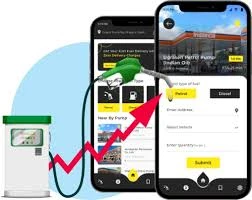
An on-demand fuel delivery app acts as a centralized digital platform connecting customers, fuel suppliers, delivery operators, and administrators. Users place fuel orders by selecting fuel type, quantity, delivery location, and preferred time slot. The system assigns the nearest authorized delivery vehicle and tracks the entire process in real time.
From the backend perspective, the platform manages inventory, dispatch operations, pricing, compliance documentation, and transaction records. A Fuel Delivery App Development Company typically designs this ecosystem with multiple panels, including a customer app, delivery agent app, and admin dashboard, ensuring smooth coordination across all stakeholders.
Business Advantages of Investing in On-Demand Fuel Delivery App Development
Expanding Reach Beyond Traditional Fuel Stations
A digital fuel delivery platform removes geographical constraints associated with fixed fuel stations. Businesses can serve residential customers, commercial fleets, remote industrial locations, and emergency situations without requiring users to travel to a pump. This expansion significantly increases market coverage and revenue potential.
Improved Operational Efficiency and Cost Control
Manual dispatching and phone-based fuel orders often lead to delays, errors, and higher operating costs. An app-driven system automates order allocation, route optimization, billing, and reporting. This reduces fuel wastage, improves delivery turnaround times, and helps businesses control logistics expenses more effectively.
Enhanced Customer Experience and Retention
Modern customers expect transparency, speed, and convenience. Real-time tracking, digital payments, order history, and scheduled deliveries enhance trust and satisfaction. Gas Delivery App Development enables businesses to offer subscription models, recurring fuel delivery, and loyalty programs that encourage long-term customer relationships.
Data-Driven Decision Making for Fuel Businesses
An on-demand fuel delivery platform captures valuable data related to order patterns, fuel consumption trends, peak demand periods, and delivery performance. This data helps businesses forecast demand, optimize inventory, and design targeted pricing strategies. Over time, analytics-driven insights become a key competitive advantage.
Core Features Required in a Scalable Fuel Delivery Application
Customer-Facing Features for Seamless Ordering
The customer app must provide an intuitive interface that simplifies fuel ordering. Key features include location-based fuel ordering, fuel type selection, quantity customization, real-time delivery tracking, digital invoices, and secure payment options. Push notifications keep users informed at every stage of the order lifecycle.
Delivery Partner and Driver Management Capabilities
Delivery agents require a dedicated interface to manage assigned orders, navigate optimized routes, confirm fuel dispensing, and update delivery status. Identity verification, vehicle compliance records, and performance monitoring are essential to ensure safety and service reliability.
Admin Dashboard for Complete Business Control
The admin panel is the operational backbone of the platform. It allows businesses to manage users, drivers, fuel inventory, pricing rules, service areas, compliance documents, and financial reports. Advanced dashboards also include analytics tools for monitoring order volumes, revenue, and delivery efficiency.
Technology Stack Used in Gas Delivery App Development
Frontend Technologies for Responsive User Experience
Mobile applications are typically built using frameworks such as React Native or Flutter to ensure cross-platform compatibility. Native development using Swift for iOS and Kotlin for Android may be chosen for high-performance requirements. Web dashboards often rely on React.js or Angular for dynamic interfaces.
Backend Infrastructure for Scalability and Security
The backend handles business logic, data processing, and third-party integrations. Common technologies include Node.js, Python, or Java, combined with scalable cloud infrastructure such as AWS, Google Cloud, or Azure. Microservices architecture is often preferred to support future expansion and feature upgrades.
Database and Real-Time Tracking Technologies
Databases like PostgreSQL or MongoDB are used to store transactional and user data securely. Real-time tracking relies on GPS integrations, mapping APIs, and WebSocket-based communication to provide accurate delivery updates and route optimization.
Payment, Compliance, and Third-Party Integrations
Secure payment gateways, invoicing systems, and tax calculation tools are critical for smooth transactions. Integration with regulatory compliance systems ensures adherence to fuel transportation laws, safety standards, and documentation requirements across regions.
Security, Safety, and Regulatory Considerations in Fuel Delivery Platforms
Fuel delivery involves high-risk materials, making security and compliance a top priority. Applications must include robust authentication mechanisms, encrypted data storage, and role-based access controls. Safety checklists, vehicle inspection logs, and driver certifications should be digitally maintained within the platform.
A reliable Fuel Delivery App Development Company ensures the platform aligns with regional fuel transportation regulations, hazardous material handling guidelines, and digital record-keeping requirements. Compliance-driven development reduces legal risks and builds trust with enterprise clients.
Monetization Models and Revenue Opportunities
On-demand fuel delivery platforms offer multiple revenue streams. Businesses can earn through per-order margins, delivery fees, subscription plans for recurring customers, enterprise contracts with fleet operators, and premium services such as emergency delivery or priority scheduling.
Advertising partnerships with automotive service providers and data-driven insights for enterprise clients also open additional monetization channels. The flexibility of digital platforms allows fuel businesses to adapt pricing models based on market demand and operational costs.
ROI Potential and Long-Term Business Impact
The return on investment from On Demand Fuel Delivery App Development depends on market demand, operational efficiency, and customer adoption. While initial development and compliance costs can be significant, the long-term benefits include reduced manual overhead, higher order volumes, and scalable growth.
As customer reliance on on-demand services increases, fuel delivery platforms position businesses as modern, customer-centric service providers. Over time, automation, data insights, and recurring revenue models contribute to sustainable profitability and strong ROI.
Conclusion
On-demand fuel delivery platforms represent a strategic evolution in how fuel businesses operate and scale. By combining automation, real-time logistics, and customer-focused features, these applications unlock new revenue opportunities while improving service efficiency and compliance. With the right technology stack, safety measures, and business model, investing in a fuel delivery app can deliver strong long-term returns and future-ready growth for fuel suppliers and service providers.
Frequently Asked Questions
What types of businesses can benefit from on-demand fuel delivery apps?
Fuel retailers, logistics companies, construction firms, fleet operators, and energy startups can all benefit from digital fuel delivery platforms. These apps help streamline fuel supply, reduce downtime, and improve service accessibility.
How long does it take to develop a fuel delivery application?
Development timelines vary based on feature complexity, compliance requirements, and integrations. A basic version may take a few months, while an enterprise-grade solution with advanced analytics and safety features can take longer.
Is on-demand fuel delivery legally allowed in all regions?
Regulations differ by country and region. Fuel delivery apps must comply with local transportation laws, safety guidelines, and licensing requirements. Working with an experienced development partner helps ensure regulatory alignment.
Can fuel delivery apps support enterprise-level fleet management?
Yes, advanced platforms can include bulk ordering, scheduled deliveries, usage analytics, and custom pricing models designed specifically for enterprise and fleet clients.
How scalable are on-demand fuel delivery platforms?
When built using cloud-based infrastructure and modular architecture, these platforms are highly scalable. Businesses can expand service areas, add new fuel types, and integrate additional features as demand grows.