Clinic layouts rarely stay static for long. Patient populations shift, treatment approaches evolve, and rooms often need to serve multiple purposes over time. Occupational therapy equipment that adapts to this kind of ongoing change tends to serve clinics far better than fixed, permanent installations.
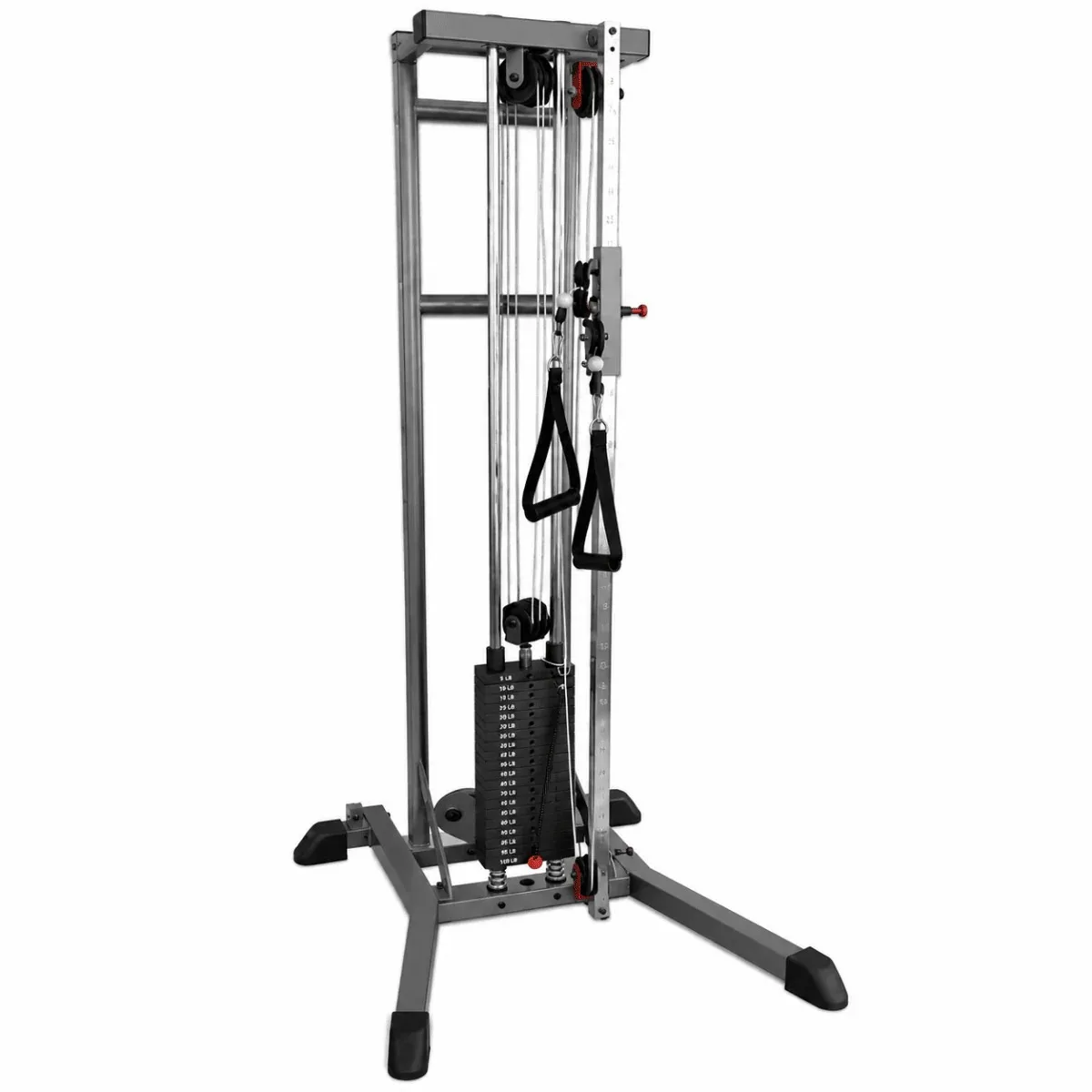
Free standing speed pulley systems fit naturally into this need for adaptability, offering advanced resistance training without locking a treatment room into a single, unchangeable configuration.
The Case for Layout Flexibility
Occupational therapy clinics frequently treat an unusually wide range of conditions, from hand injuries to broader functional independence goals following stroke or neurological conditions. This variety often means treatment rooms need to reconfigure regularly to suit whatever patient population is scheduled that day.
The free standing speed pulley system supports this kind of flexible clinic model directly, since it can be repositioned as needed without any permanent wall commitment.
Scenarios Where Flexibility Really Matters
- A clinic expanding its occupational therapy services within existing physical space
- A facility that alternates between individual and group functional training sessions
- A practice serving diverse patient populations with varying positioning needs throughout the week
Each of these situations benefits significantly from equipment that moves with actual clinical demand rather than dictating how a room must be used.
Avoiding Costly RenovationsClinics that choose fixed, wall mounted equipment sometimes face expensive renovation costs later if patient populations or treatment approaches shift significantly. Free standing equipment sidesteps this risk almost entirely, since repositioning requires no structural changes at all.
Resistance Capability Without Compromise
This free standing unit maintains a genuine 100 pound weight stack and 6 to 1 resistance ratio, matching the same clinical performance clinicians expect from wall mounted speed pulley alternatives. Flexibility does not come at the cost of resistance quality here.
RehabPro built this option specifically to give occupational therapy clinics genuine adaptability without sacrificing the advanced training capability speed based equipment provides.
Planning a Flexible Treatment Room
Combining free standing pulley systems with modular treatment furniture allows occupational therapy clinics to reconfigure spaces quickly between different patient types or group versus individual sessions, maximizing the practical use of available square footage throughout a busy clinical day.
To see whether this equipment fits your clinic's flexible layout needs, you can explore the full specifications before making a purchase decision.
Final Thoughts
Flexible clinic layouts depend on equipment that adapts rather than restricts, and free standing speed pulley systems deliver exactly this kind of practical versatility for occupational therapy settings. Choosing equipment this way tends to save clinics from costly reconfiguration or renovation expenses down the road.
Frequently Asked Questions
Why is layout flexibility especially important in occupational therapy?
Occupational therapy clinics often treat highly varied patient populations, requiring treatment rooms that adapt to different positioning and functional needs.
Does free standing equipment sacrifice any resistance capability?
No, well built free standing units maintain the same weight stack and resistance ratio as wall mounted alternatives.
Can free standing equipment help avoid costly clinic renovations?
Yes, since repositioning requires no structural changes, clinics avoid the renovation costs associated with fixed wall mounted installations.