
Introduction: Climate Crisis Demands Bold Solutions
The global climate crisis has shifted from a distant warning to a daily reality. Rising temperatures, devastating wildfires, extreme weather events, and melting ice sheets dominate the headlines. Governments pledge to reach “net-zero” by 2050, while activists urge a swift transition to renewable energy. But even as wind turbines spin and solar panels expand across landscapes, a critical question lingers: is this enough?
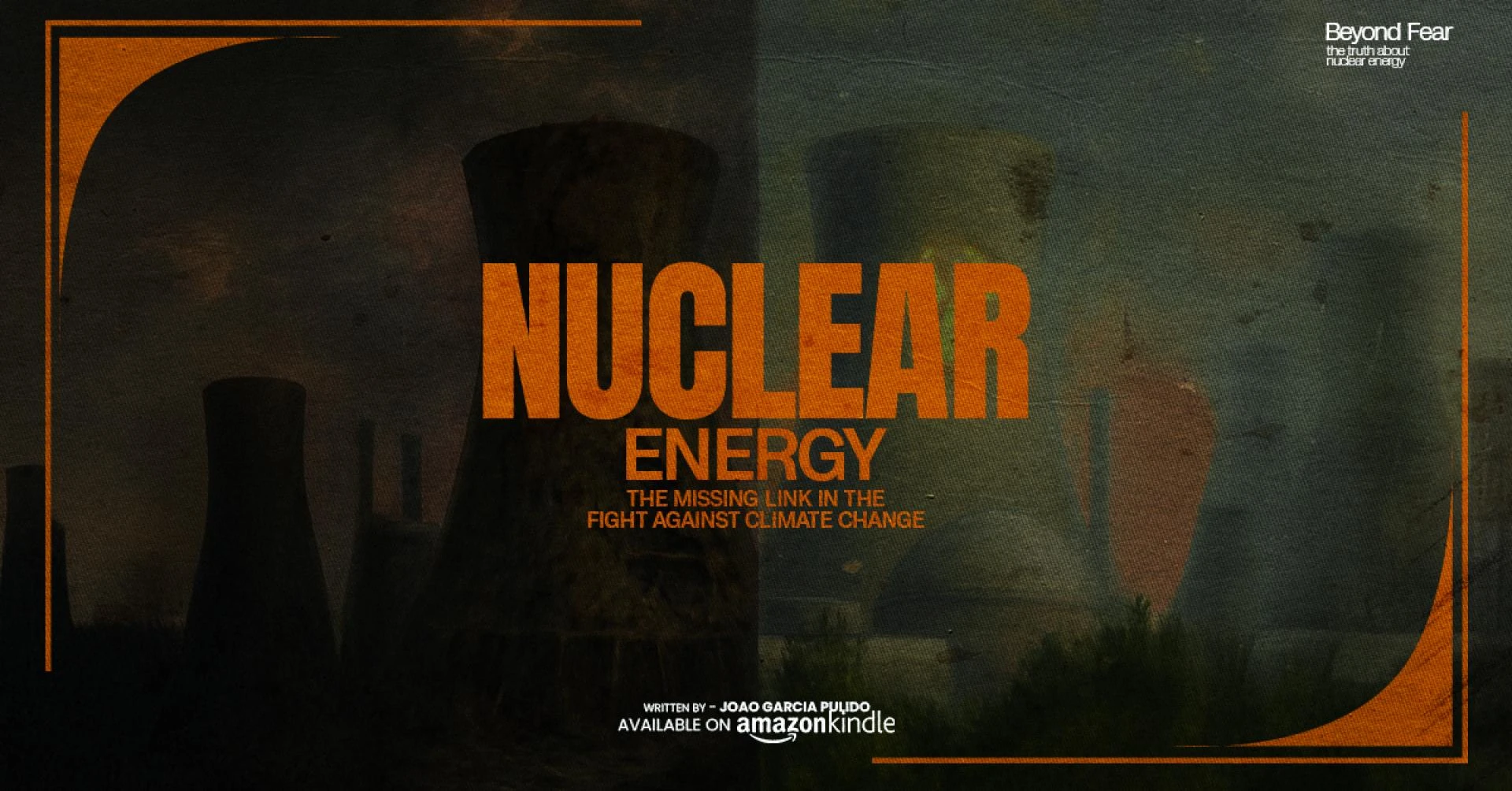
In his book The Truth About Nuclear Energy, author Joao Garcia Pulido argues that the conversation is incomplete. Without nuclear energy, the world risks missing its climate goals. His work cuts through decades of misunderstanding to show that nuclear power, far from being the enemy, may be the missing link in building a carbon-free future.
The Climate Challenge in Numbers
Why Renewables Alone Aren’t Enough
Solar and wind power are indispensable. They are clean, abundant, and increasingly affordable. But they are also intermittent, producing electricity only when the sun shines or the wind blows. Storing this energy on a massive scale is a challenge that technology has not yet solved at a cost the world can afford.
The result is a gap. When renewables fall short, coal, oil, and natural gas often step in, undermining climate efforts. Nuclear energy fills this gap by providing steady, carbon-free power day and night.
A Proven Low-Carbon Source
Data from the International Energy Agency shows that nuclear energy has already prevented billions of tons of carbon emissions over the past 50 years. Countries like France, which generate the majority of their electricity from nuclear, consistently record some of the lowest per capita emissions in the developed world.
Why Nuclear Deserves a Place in the Climate Conversation
More Than Just a Power Source
Pulido emphasizes that nuclear energy is not just another power option — it is a foundation for resilience. It can stabilize grids, complement renewables, and reduce dependence on fossil fuels. By providing reliable electricity, it also underpins electrification in other sectors, from transport to heating.
Addressing the Green Divide
The climate movement has often been divided on nuclear. While some environmentalists embrace it, others oppose it, fearing accidents or waste. Pulido’s book confronts these concerns directly, showing that modern nuclear technology has evolved with safety at its core and that solutions for waste are well within reach.
Breaking Down the Myths for Environmentalists
Myth 1: Nuclear Is Unsafe
Accidents at Chernobyl and Fukushima left scars, but they are exceptions, not the rule. Decades of data show nuclear power plants operate safely across dozens of countries. Modern reactors incorporate redundant safety systems, and next-generation designs are even more secure.
Myth 2: Nuclear Waste Is Unmanageable
Nuclear waste is a manageable problem, not an insurmountable one. The volume is small compared to other industrial waste streams, and safe storage methods exist. Countries like Finland are leading the way with long-term solutions that demonstrate both technical and political feasibility.
Myth 3: Nuclear Crowds Out Renewables
Nuclear does not compete with renewables — it supports them. A sustainable energy system requires both. Solar and wind deliver flexibility and growth; nuclear ensures reliability and stability. Together, they form a partnership that can replace fossil fuels.
The Human Side of Energy Choices
Energy Justice and Equity
For millions of people around the world, access to electricity is not guaranteed. Energy poverty traps communities in cycles of hardship, limiting opportunities for health, education, and prosperity. Nuclear power, with its high energy density, offers a way to expand access without worsening climate change.
Generational Responsibility
Climate change is not just a technical issue but an ethical one. Decisions made today will shape the lives of future generations. Pulido reminds readers that rejecting nuclear out of fear risks leaving our children a hotter, more unstable planet.
Real-World Lessons
France vs. Germany
France embraced nuclear energy in the 1970s and now enjoys a reliable, low-carbon electricity system. Germany, by contrast, chose to phase out nuclear while investing heavily in renewables. Despite its progress, Germany has struggled with high emissions and dependence on coal and imported gas. The contrast is a powerful reminder of the consequences of energy policy choices.
The Newcomers
Countries like the United Arab Emirates are investing in nuclear as part of their long-term strategy to diversify energy sources. Their decision underscores a growing recognition: nuclear is not a relic of the past but a pillar of the future.
Why This Book Matters to the Climate Conversation
Pulido’s The Truth About Nuclear Energy is timely. The climate debate is often loud, polarized, and driven by ideology. This book offers something different: clarity. It explains nuclear energy in plain terms, addresses fears with facts, and situates the technology within the broader fight for sustainability.
For environmentalists, policymakers, and anyone invested in the planet’s future, the book is both a challenge and an invitation. It challenges preconceived ideas about nuclear and invites readers to consider a broader, more inclusive vision of clean energy.
Conclusion: A Future Built on Collaboration
The fight against climate change cannot afford half measures. Solar, wind, hydro, and nuclear must work together. Each has strengths; none alone can solve the crisis.
Pulido’s message is not about choosing nuclear over renewables but about embracing all tools at humanity’s disposal. As he makes clear, the future will belong to those willing to move past fear and ideology toward pragmatic, science-based solutions.
The Truth About Nuclear Energy arrives as a vital contribution to this conversation — a call to action for readers to see nuclear not as an obstacle, but as an ally in the greatest fight of our time.
Amazon Link: The Truth About Nuclear Energy