
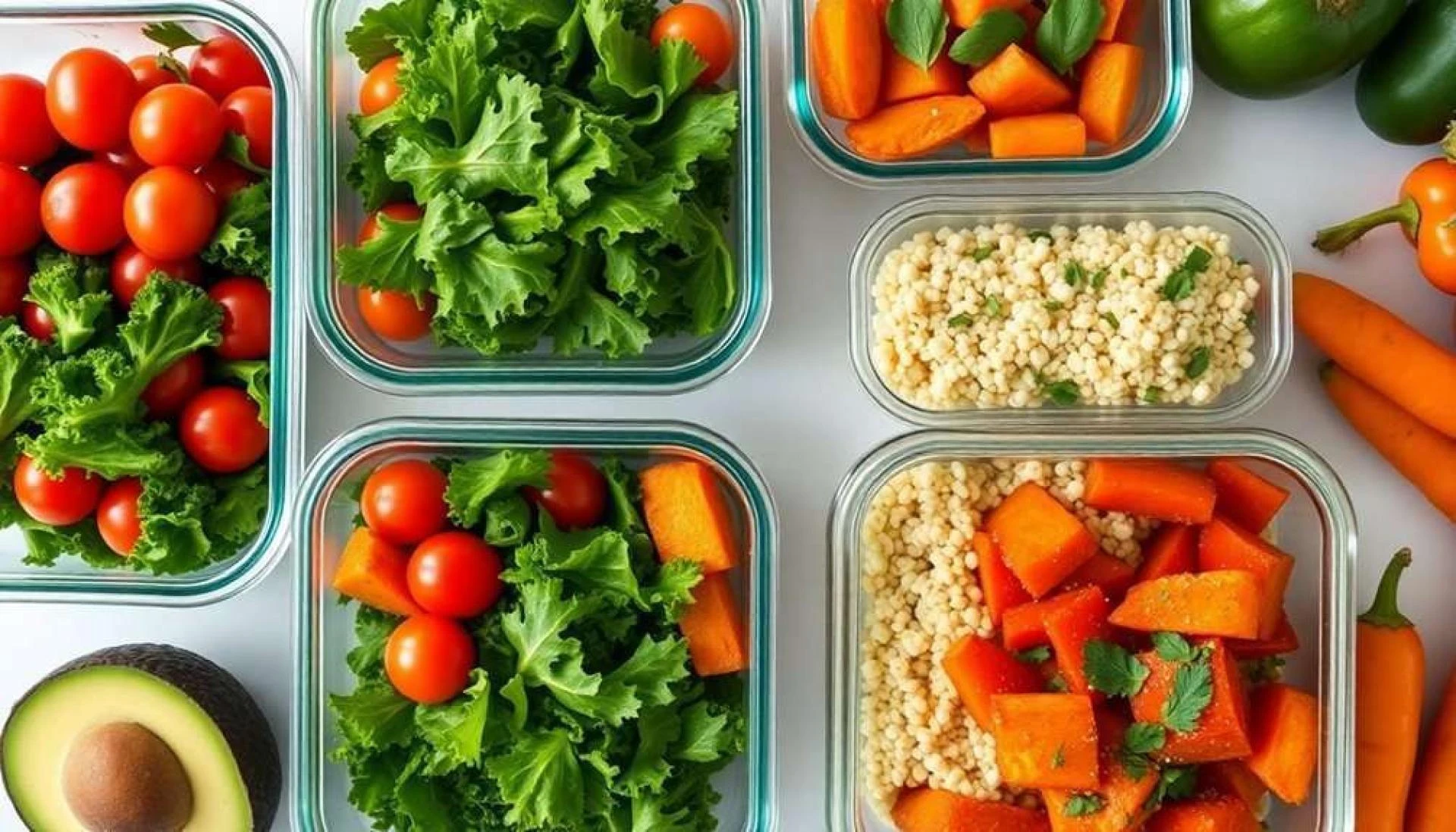
Eating healthy doesn’t mean sacrificing taste, and when it comes to plant-based meals, there’s a world of possibilities to explore. Whether you’re looking to shed some extra pounds, maintain a healthy lifestyle, or simply enjoy delicious food, low-calorie vegetarian recipes are the way to go. Packed with nutrients, fiber, and antioxidants, these veggie-rich meals offer not only great taste but also lasting energy and vitality. In this post, we’ll dive into a variety of nourishing, low-calorie vegetarian recipes that will make your taste buds sing without the guilt.
Why Choose Low Calorie Vegetarian Recipes?
Adopting a vegetarian diet doesn’t just help with weight management; it also comes with a long list of health benefits. Vegetables are naturally rich in vitamins, minerals, fiber, and antioxidants, which help reduce the risk of chronic diseases such as heart disease, diabetes, and certain cancers. Low-calorie vegetarian meals are typically nutrient-dense, meaning they provide more vitamins and minerals per calorie compared to processed foods. Moreover, these meals are usually lower in fat and sugar, making them an ideal choice for anyone looking to maintain a healthy body weight without compromising on taste.
For those who are watching their calorie intake, low-calorie vegetarian meals are perfect because they are both filling and satisfying. Many vegetables are low in calories but high in fiber, which helps keep you full for longer. So, if you’re looking for ways to eat light without feeling deprived, you’ve come to the right place.
Healthy Low Calorie Vegetarian Recipes to Try
1. Zucchini Noodles with Pesto
If you love pasta but want to keep the calorie count low, zucchini noodles (or "zoodles") are a fantastic alternative. Simply spiralize a couple of zucchinis to create noodles, and toss them with a fresh, homemade pesto made from basil, garlic, olive oil, lemon juice, and pine nuts. This dish is not only low in calories but also packed with nutrients like vitamin C, potassium, and fiber. You can even add in some roasted cherry tomatoes or grilled veggies for an extra flavor boost.
2. Cauliflower Rice Stir-Fry
Cauliflower rice is another great substitute for regular rice. It’s low in calories, high in fiber, and incredibly versatile. For a quick and easy stir-fry, sauté cauliflower rice with your favorite vegetables such as bell peppers, carrots, peas, and broccoli. Add a splash of low-sodium soy sauce or tamari for a savory, umami flavor. This dish is gluten-free, packed with vitamins, and full of healthy fats from sesame oil. It’s perfect for a light lunch or dinner that won’t weigh you down.
3. Spaghetti Squash with Marinara Sauce
Spaghetti squash is an excellent low-calorie alternative to traditional pasta. When roasted, the flesh of the squash easily separates into long, noodle-like strands. Combine it with a homemade marinara sauce made from tomatoes, garlic, olive oil, and fresh herbs. You can even add some grilled vegetables or sautéed mushrooms to make it heartier. This meal is not only low in calories but also full of antioxidants and vitamin A, making it a great choice for keeping your immune system strong.
4. Roasted Sweet Potatoes and Black Bean Salad
Sweet potatoes are naturally low in calories, high in fiber, and an excellent source of vitamins A and C. When paired with fiber-rich black beans, this dish becomes a powerhouse of nutrition. For a satisfying salad, roast some sweet potato cubes with olive oil, paprika, and a pinch of salt. Toss them with cooked black beans, corn, diced avocado, and a squeeze of lime. Top it all off with some fresh cilantro and a light dressing of olive oil and vinegar for a refreshing, filling meal that won’t weigh you down.
5. Avocado and Chickpea Lettuce Wraps
Lettuce wraps are a great way to enjoy a meal without the added calories of bread or tortillas. For a refreshing lunch or dinner, combine mashed avocado with chickpeas, a drizzle of olive oil, and your favorite spices. Spoon the mixture into fresh lettuce leaves, and garnish with diced tomatoes, cucumbers, and a squeeze of lemon juice. This meal is high in healthy fats from the avocado and fiber from the chickpeas, making it both nutritious and satisfying.
Healthy Gluten Free Breakfast Recipes
Breakfast is often called the most important meal of the day, and it’s essential to start your day with something nutritious and filling. If you’re looking for healthy, gluten-free options that are low in calories, there are plenty of choices to keep you energized throughout the morning without going overboard on calories. Below are some of the best options for a healthy gluten-free breakfast that will fuel your day and keep you feeling great.
1. Quinoa Porridge with Fresh Berries
Quinoa is a fantastic gluten-free grain that’s full of protein and fiber. For a cozy, nutritious breakfast, cook quinoa in almond milk or coconut milk and add your favorite sweetener, such as honey or maple syrup. Top the porridge with fresh berries like strawberries, blueberries, or raspberries for a burst of antioxidants and a touch of sweetness. Quinoa is a complete protein, making it an excellent choice for anyone looking to start their day with a healthy, satisfying meal.
2. Chia Pudding with Coconut and Almonds
Chia seeds are packed with omega-3 fatty acids, fiber, and protein, making them a perfect addition to any breakfast. To make chia pudding, simply combine chia seeds with almond milk (or any plant-based milk) and let them sit overnight in the fridge. In the morning, you’ll have a thick, creamy pudding that you can top with coconut flakes, chopped almonds, and a drizzle of honey for extra flavor. This breakfast is not only gluten-free but also a great source of energy that will keep you full and satisfied for hours.
3. Veggie Omelette with Spinach and Mushrooms
Eggs are a fantastic source of protein and can be enjoyed in many different ways. For a healthy, low-calorie breakfast, try a veggie omelette made with egg whites or a whole egg. Fill the omelette with spinach, mushrooms, onions, and bell peppers for a nutrient-packed meal. Spinach is rich in iron and vitamin K, while mushrooms provide a good source of vitamin D. This breakfast is filling, satisfying, and will give you the energy you need to start your day on the right foot.
4. Overnight Oats with Almond Butter and Banana
Overnight oats are a quick and easy way to prepare a gluten-free breakfast that’s full of fiber and healthy fats. Combine gluten-free rolled oats with almond milk, chia seeds, and a touch of cinnamon. Let it sit overnight in the fridge, and in the morning, top it with banana slices and a spoonful of almond butter. Bananas are a great source of potassium, and almond butter provides healthy fats and protein, making this breakfast both nourishing and delicious.
5. Smoothie Bowl with Kale and Avocado
Smoothie bowls are a fun and creative way to get your greens in while enjoying a refreshing breakfast. Blend frozen kale, avocado, and almond milk into a creamy base, and top with fresh fruit, nuts, seeds, and a drizzle of honey. Kale is rich in antioxidants, while avocado provides healthy fats and a creamy texture. This smoothie bowl is not only packed with nutrients but also a great way to cool down on a warm morning.
Making Healthy Low Calorie Vegetarian Meals a Daily Habit
Incorporating low-calorie vegetarian recipes into your daily routine doesn’t have to be complicated or time-consuming. Here are a few tips to help you make healthier choices consistently:
1. Plan Ahead
Planning your meals in advance can help you stick to your health goals while ensuring that you always have healthy ingredients on hand. Create a meal plan for the week, and shop for fresh vegetables, legumes, and whole grains. Having a variety of low-calorie vegetarian ingredients in your kitchen will make it easier to whip up nutritious meals when hunger strikes.
2. Keep It Simple
Healthy meals don’t need to be complex. Focus on simple, whole ingredients that require minimal preparation. A quick stir-fry with veggies and tofu or a salad with beans and avocado can be just as satisfying as a more elaborate dish, and it will save you time in the kitchen.
3. Incorporate More Vegetables
One of the easiest ways to reduce your calorie intake without sacrificing nutrition is to load up on vegetables. Fill half your plate with non-starchy veggies like leafy greens, broccoli, cauliflower, and peppers. These vegetables are low in calories but high in essential nutrients like fiber, vitamins, and antioxidants.
4. Experiment with New Ingredients
Try incorporating new grains and legumes into your meals. Quinoa, farro, and barley are great alternatives to traditional grains, and they add a unique flavor and texture to your dishes. Experimenting with different spices and herbs can also elevate the taste of your meals without adding extra calories.
Conclusion
Eating healthy doesn’t mean depriving yourself of flavor or variety. By focusing on tasty low-calorie vegetarian recipes and incorporating nutrient-rich ingredients into your meals, you can nourish your body and feel great without compromising on taste. Whether you’re trying to maintain a healthy weight, improve your overall wellness, or simply enjoy delicious food, these recipes offer the perfect balance of flavor, nutrition, and satisfaction. By adding these healthy, low-calorie meals to your weekly rotation, you’ll be well on your way to a healthier, more vibrant you!