
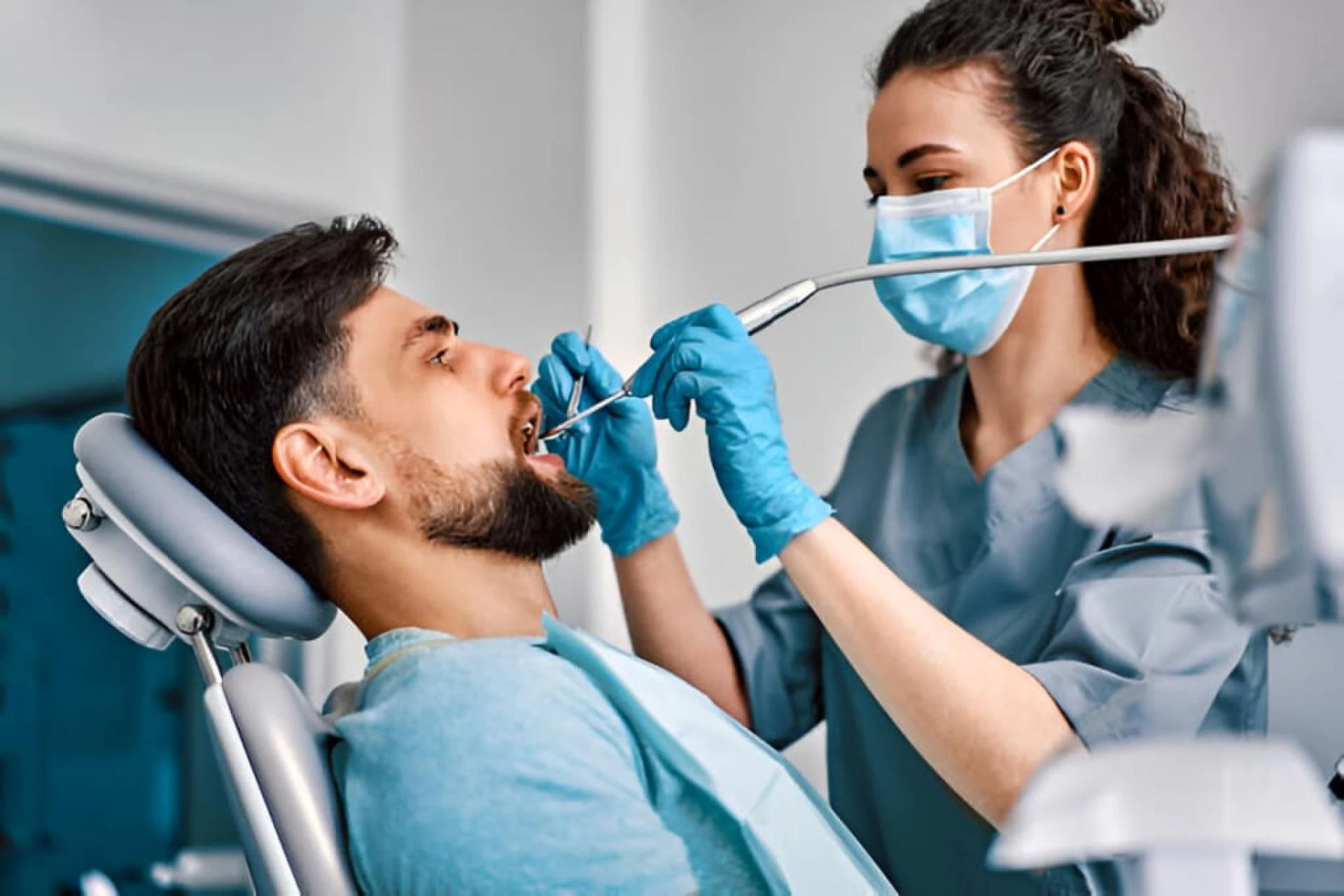
There’s nothing quite like that fresh-from-the-dentist feeling. But for many Australians, regular dental check-ups can feel more like a luxury than a necessity—mostly due to the cost. That’s where No Gap Dental comes in. If you’ve ever asked yourself, "Can I really go to the dentist without paying out of pocket?", the answer might just be yes.
In this guide, we’ll break down what No Gap Dental means, how it works, and—most importantly—how it can help you save hundreds on check-ups, cleans, and x-rays without sacrificing quality care.
What is No Gap Dental?
No Gap Dental means that if you hold the right private health insurance policy, you won’t have to pay anything out of pocket for specific dental services like check-ups, scale and cleans, and x-rays. The “gap” is the difference between the dentist's fee and what your health fund covers. When there’s no gap, you don’t pay anything at all.
This approach lets you take full advantage of the extras cover you’re already paying for, without worrying about hidden costs. No Gap Dental is commonly available for basic preventative services such as exams, x-rays, fluoride treatments, and even some fillings or fissure sealants for children.
How It Actually Saves You Money
Going to the dentist regularly isn’t just about having a nice smile—it’s about catching problems before they get serious and expensive. Conditions like gum disease, cavities, and enamel erosion are far easier (and cheaper) to manage with early treatment. No Gap Dental gives you access to that essential preventative care with no additional cost if you qualify.
For example, a standard dental check-up with a clean and x-rays might normally cost around $320. If you visit twice a year, that’s $640 annually. With No Gap Dental, you could pay $0 for both visits, which means you’re saving hundreds just by going to a dentist who works with your health fund.
What You Need to Be Eligible
To access No Gap Dental, you need to have:
- A private health insurance policy that includes extras cover for general dental.
- Sufficient benefit limits left for the calendar year—once you hit the cap, gap-free services may no longer apply.
- A visit scheduled with a preferred provider partnered with your health fund.
It’s important to note that not all dentists offer No Gap Dental, and not all health funds cover it equally. You’ll need to check the details of your own policy to be sure you’re covered.
If you’re wondering how No Gap Dental stacks up against bulk billing and which might be better for your situation, here’s a great comparison article that breaks it down in detail: No Gap Dental vs Bulk Billing: What’s Better?
What to Ask Before You Book
Before you schedule an appointment, don’t be afraid to ask your clinic a few key questions to avoid surprises. Ask whether they offer No Gap Dental for your specific health fund. Confirm that check-ups, x-rays, and cleans are included. And check if the offer is valid for new and returning patients alike.
Some clinics only offer No Gap services to patients who haven’t exceeded their yearly benefit limit. Others may restrict it to promotional periods. It’s always better to ask and avoid any unexpected costs.
Which Services Are Usually Included?
No Gap Dental typically covers basic dental maintenance. This includes routine check-ups to monitor oral health, scale and cleans to remove plaque and tartar, standard x-rays to detect issues below the surface, and fluoride treatments to strengthen enamel. Some clinics also include extras like fissure sealants for kids or even custom sports mouthguards.
More advanced procedures like root canals, crowns, or braces usually aren’t part of No Gap arrangements, although your health fund may still contribute towards those through your extras policy—just not at a gap-free level.
Can You Choose Your Own Dentist?
Yes, but with a catch. Many health funds work with a network of preferred dental providers. If you visit one of these dentists, you’ll likely qualify for No Gap Dental. If you go to someone outside that network, you may have to pay a partial gap or the full fee.
To check if your local dentist is in-network, use your fund’s provider search tool online or call the clinic directly. It's also a good idea to contact your health fund and confirm if the specific services you need are eligible for gap-free billing.
Why No Gap Dental Is Great for Families
If you’ve got a partner or kids on your health cover, No Gap Dental can seriously reduce the cost of keeping everyone’s teeth in check. Many family extras policies allow multiple no-gap visits per year for each member on the plan.
Regular check-ups during childhood are crucial, and knowing it won’t cost you extra makes it easier to stay on top of appointments. Some clinics even offer free or discounted mouthguards for sporty kids, which would otherwise set you back $150 or more.
No Gap Dental vs Bulk Billing: What’s the Difference?
While both aim to reduce out-of-pocket dental expenses, No Gap Dental and bulk billing are completely different systems.
No Gap Dental is available to people with private health insurance. You go to a dentist that partners with your health fund, and the fund pays the full cost of eligible services—so you pay nothing at the time of visit.
Bulk billing, on the other hand, is funded by Medicare and usually limited to public dental services or certain groups like children under the Child Dental Benefits Schedule (CDBS). It doesn’t require private insurance, but the range of services covered is more limited.
If you’ve already got extras cover through private health insurance, No Gap Dental gives you more control, flexibility, and access to quality private care without the big price tag.
What to Watch Out For
There are a few things to keep in mind:
- Just having extras cover doesn’t guarantee No Gap Dental—you need to confirm that your policy includes preventative dental and that you're seeing a preferred provider.
- Some clinics offer No Gap services only for first-time patients, or during specific promotional periods.
- Be aware of your annual benefit limits. Once they’re used up, you’ll need to cover the gap or full cost yourself.
- Not all services are included under No Gap Dental, so make sure you know what’s covered before going in.
Final Thoughts: Is No Gap Dental Worth It?
Absolutely—if you have private health insurance with the right extras policy and choose a participating dental clinic. No Gap Dental makes it easier to stay on top of your oral health without dreading the bill. It allows you to use the insurance you already pay for in a smart, practical way.
With regular check-ups, cleans, and x-rays often fully covered, there’s really no reason not to take advantage. It’s a modern solution for a healthier smile, at no extra cost.
FAQs About No Gap Dental
1. What if I don’t have private health insurance?
Without private extras cover, you won’t be eligible for No Gap Dental. However, you can still explore bulk billing options or ask clinics about affordable fixed-fee check-up packages.
2. How often can I access No Gap Dental services?
Most health funds allow one or two No Gap check-ups per year. After that, standard gap fees may apply based on your usage and the remaining limit on your policy.
3. Are emergency dental treatments covered under No Gap Dental?
No, emergency procedures generally aren’t included. No Gap Dental is intended for routine and preventative services only, though your extras policy may still cover part of the cost.
4. Can my children also use No Gap Dental services?
Yes. Many dental clinics offer No Gap services for kids, especially if they are included in your family health insurance policy. Some also include gap-free sealants and mouthguards.