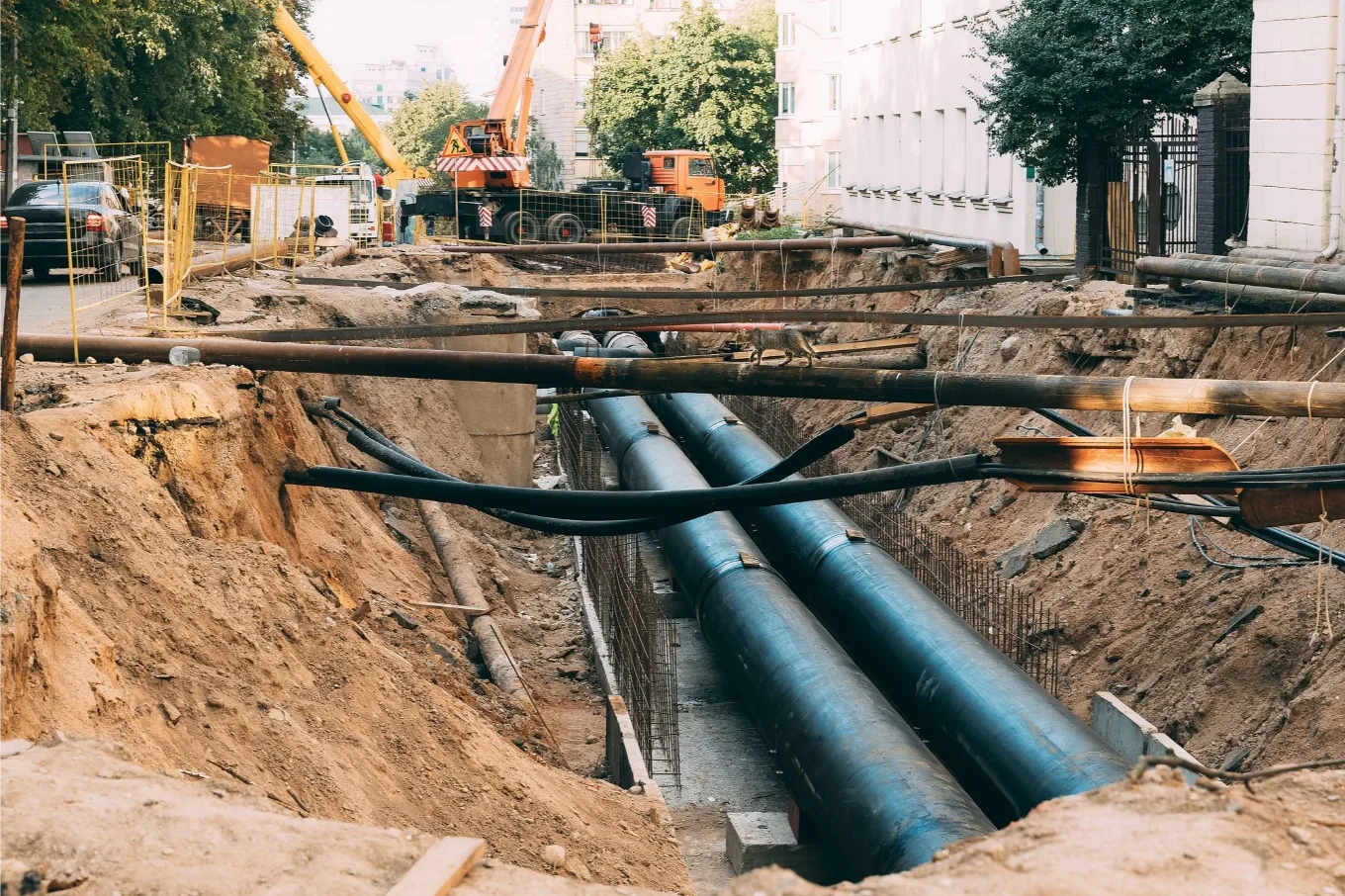
No-dig sewer repair fixes broken underground pipes by using specialized resins and liners that harden inside your existing lines. This method eliminates the need to excavate your yard or driveway while restoring full functionality to your waste system. Modern sewer line repair solutions utilize internal coating technologies to seal cracks and stop root intrusion without destroying your landscaping.
This guide explains how these technologies work and why they are becoming the standard for property owners in the Pacific Northwest. Our analysis of regional plumbing trends shows that trenchless methods are now used in over 70% of residential pipe restoration projects. This transition is driven by the high cost of restoring paved surfaces and historical gardens after traditional digging.
Modern methods for fixing underground pipe failures
Trenchless repair relies on a process called Cured-in-Place Pipe (CIPP). Technicians access your sewer line through an existing cleanout and insert a flexible tube saturated with epoxy resin. Once the tube is in place, they inflate it so the resin presses against the inner walls of the old pipe.
After the resin cures, it forms a new, seamless pipe within the old one. This new structure is often stronger than the original material and resists corrosion for decades. It effectively creates a "pipe within a pipe" that bypasses leaks and gaps.
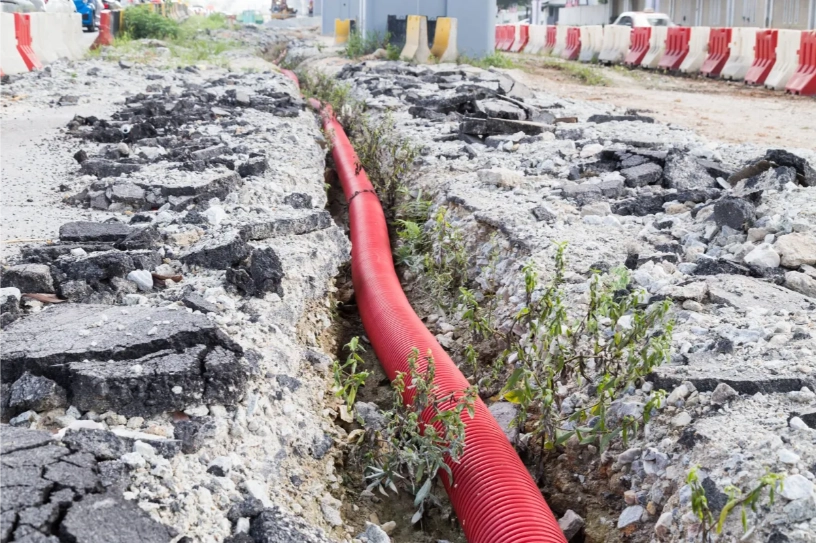
The mechanics of cured-in-place pipe technology
The epoxy used in these repairs is designed to withstand the damp environment common in the Puyallup Valley. It adheres to cast iron, PVC, and clay, making it a versatile option for older homes. Once the chemical reaction completes, the liner is hard enough to resist even aggressive root growth.
Another option for Sewer Line Repair Solutions is pipe bursting. This involves pulling a new high-density polyethylene pipe through the old one using a heavy steel head. The head breaks the old pipe apart while simultaneously laying the new line in its place.
Why Puyallup property owners prefer trenchless options
Puyallup residents often face challenges with heavy clay soils and dense root systems from mature evergreen trees. Traditional digging in these conditions is slow and often leads to soil settlement months after the job is finished.
- Preserves expensive hardscaping like pavers and stamped concrete.
- Reduces the time your water service is turned off.
- Prevents the destruction of mature trees and established garden beds.
- Saves money on post-repair restoration costs.
Bonus Tip: Check your local municipal codes before starting work. Some areas in Pierce County require specific permits for trenchless work even though no major excavation occurs.
Comparing traditional and no-dig repair methods
Understanding the differences between conventional digging and modern lining helps you make an informed choice for your property. While traditional methods are sometimes necessary for collapsed pipes, most issues are solvable with trenchless Sewer Line Repair Services.

How regional soil conditions impact pipe health
The local geology in the Puyallup River valley often consists of fine sediment and high water tables. During heavy rain seasons, the soil expands and shifts, putting physical stress on older clay or cast iron pipes.
If your home was built before the 1980s, your pipes likely have joints every few feet. These joints are weak points where shifting soil can cause separations. Sewer Line Repair Solutions that use seamless liners eliminate these joints entirely, making the system more resilient to seasonal ground movement.
Essential factors to review before hiring a contractor
Before you commit to a specific repair path, you need to understand the current state of your infrastructure. Not every pipe is a candidate for no-dig technology, and a misdiagnosis can lead to failed repairs.
Checking for structural integrity and pipe collapse
If a pipe has completely collapsed or flattened, a liner cannot be pulled through it. In these rare cases, a small amount of digging might be required to replace that specific section before lining the rest.
Assessing slope and elevation issues
A pipe liner follows the path of the existing pipe. If your sewer line has a significant sag where water pools, the liner will simply coat that sag. It won't fix the slope of the pipe or resolve a low spot that causes clogs.
Financial benefits of avoiding heavy excavation
While the upfront cost of a trenchless repair might seem similar to traditional digging, the total project cost is usually lower. You have to factor in the price of replacing a driveway or hiring a landscaper to fix a ruined lawn.
Modern Sewer Line Repair Solutions use materials that are impervious to root penetration. Roots are the leading cause of sewer backups in Washington. By installing a seamless sleeve, you remove the entry points that roots use to clog your system.
Bonus Tip: Ask for a video inspection both before and after the repair. A reputable provider will show you the finished interior of the pipe to prove the liner is smooth and properly seated.

Steps to take when you suspect a sewer leak
You should monitor your property for early warning signs of failure. Catching a leak early often means the difference between a simple lining project and a more expensive emergency replacement.
- Frequent clogs in multiple drains at once.
- Soggy patches in the yard even during dry weather.
- Indentations or sinkholes forming in the lawn.
- Gurgling noises coming from toilets when you run the sink.
- Unpleasant sewage odors near the exterior of the house.
Expert recommendations for your sewer system
Choosing a repair method depends on your budget, the age of your home, and how much you value your landscaping. No-dig technology offers a faster, cleaner, and more durable way to handle broken pipes. Always prioritize a thorough inspection to ensure the method fits the specific damage in your lines. Evaluate the total cost of the project, including yard restoration, before making your final choice.
Contact All Drain Solutions for professional help in Puyallup
If you are dealing with recurring drainage problems or have been told you need a new sewer line, getting a second opinion from a trenchless expert is a smart move. Professionals like those at All Drain Solutions can perform a detailed camera inspection to see if your home is a candidate for no-dig Sewer Line Repair Solutions.
You can reach their team at (253) 200-0451 or via email at [email protected] to discuss your specific situation. They offer comprehensive services including hydro jetting and trenchless pipe repair to keep your home running smoothly. Requesting a free quote is a great way to compare your options and see how much you can save on restoration costs.
Common questions about no-dig sewer technology
How long does a no-dig sewer repair typically last?
Most epoxy liners and high-density polyethylene pipes used in trenchless repairs are rated to last at least 50 years. Because they are seamless and made of non-corrosive materials, they often outlast the original pipes they replaced.
Will the new liner make my sewer pipe smaller?
The liner reduces the diameter by a very small margin, usually only a few millimeters. Because the interior surface of the resin is much smoother than old clay or cast iron, the flow capacity often improves despite the slight reduction in size.
Is trenchless repair louder than traditional digging?
No, it is generally much quieter. While traditional digging involves backhoes and heavy trucks running for days, trenchless methods usually only require a small support truck and a quiet air compressor or hydraulic puller.
Can no-dig methods fix pipes broken by tree roots?
Yes, this is one of the best applications for the technology. The liner covers the holes where roots entered and creates a solid barrier that prevents them from growing back into the line.
Does insurance cover no-dig sewer line repairs?
Coverage depends on your specific homeowner’s policy and how the damage occurred. Many policies require a special service line coverage rider to pay for repairs located outside the foundation of the home.