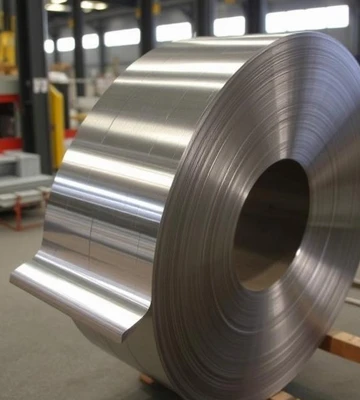
Nickel strip is one of the most versatile and valuable materials used in various modern industries — from electronics to aerospace. Known for its excellent corrosion resistance, high electrical conductivity, and strength, nickel strip plays a vital role in many manufacturing and engineering processes.
What Is a Nickel Strip?
A nickel strip is a thin, flat piece of pure nickel or nickel alloy that is produced through precision rolling. These strips are commonly used in electrical, mechanical, and chemical applications due to their ability to withstand harsh environments and maintain stability under high temperatures.
The most widely used grades include Nickel 200, Nickel 201, Nickel 270, and high-nickel alloys like Inconel and Monel.
Chemical Composition
Pure nickel strips (like Nickel 200 and Nickel 201) typically contain 99.6% minimum nickel content, with trace amounts of elements such as:
- Carbon (max 0.15%)
- Manganese (max 0.35%)
- Sulfur (max 0.01%)
- Silicon (max 0.35%)
- Copper (max 0.25%)
This composition provides excellent electrical conductivity and corrosion resistance.
Types of Nickel Strips
Nickel strips are available in different forms, shapes, and alloys to suit specific applications:
- Pure Nickel Strips:
- Ideal for battery connections, electronics, and plating applications due to high purity and conductivity.
- Nickel Alloy Strips:
- Contain other elements like chromium, iron, or copper to enhance strength and heat resistance. Examples include Inconel and Monel strips.
- Nickel Plated Strips:
- These are steel or copper strips coated with a thin layer of nickel. They are cost-effective and provide good corrosion protection.
- H-Shape Nickel Strips:
- Specifically designed for lithium battery packs, ensuring efficient spot welding and stable connections.
Key Properties of Nickel Strips
Nickel’s physical and chemical properties make it highly sought after in industrial applications:
- Corrosion Resistance: Excellent resistance to oxidation, alkalis, and acids.
- Electrical Conductivity: Suitable for high-current connections like battery tabs.
- Thermal Stability: Performs well in both high and low temperature environments.
- Ductility & Formability: Can be easily fabricated, welded, or soldered.
- Magnetic Properties: Slightly magnetic, useful in specific electrical components.
Applications of Nickel Strips
Nickel strips are used across a wide range of industries:
1. Battery Manufacturing
Nickel strips are a core component in lithium-ion and nickel-cadmium batteries. They connect battery cells to create a circuit, ensuring smooth electrical flow and minimal resistance. Their ability to handle high current makes them perfect for EV batteries, power tools, and energy storage systems.
2. Electronics and Electrical Components
Nickel’s conductivity makes it ideal for connectors, lead frames, switches, and terminals. Nickel-clad materials are also used in resistors and capacitors.
3. Aerospace & Defense
Nickel alloys are used in aircraft engines, turbines, and exhaust systems because they retain strength and resist oxidation at extreme temperatures.
4. Chemical and Petrochemical Industry
Nickel strips are used in heat exchangers, evaporators, and chemical processing equipment due to their corrosion resistance against acids and alkalis.
5. Automotive and Renewable Energy
Used in battery packs, electric vehicle modules, and solar power systems, nickel strips contribute to efficient energy transfer and longer product lifespan.
Nickel Strip for Lithium Batteries
In lithium-ion battery packs, nickel strip welding connects individual cells in series or parallel. The key benefits include:
- Low resistance welding points
- High mechanical strength
- Excellent electrical conductivity
- Resistance to heat and corrosion
Battery manufacturers often prefer 99.96% pure nickel strip to ensure safety and consistent performance.
Advantages of Using Nickel Strips
- ✅ High corrosion resistance and durability
- ✅ Good thermal and electrical conductivity
- ✅ Easy to weld and fabricate
- ✅ Suitable for harsh industrial environments
- ✅ Long service life with minimal maintenance
Available Sizes and Forms
Nickel strips are available in various thicknesses (0.05 mm to 2 mm) and widths (up to 150 mm), depending on the application. They can be supplied in:
- Coils
- Cut-to-length pieces
- Custom shapes (H-shaped, perforated, or slotted)