The Electric Horizon: Setting the Scene for the Future of Mobility
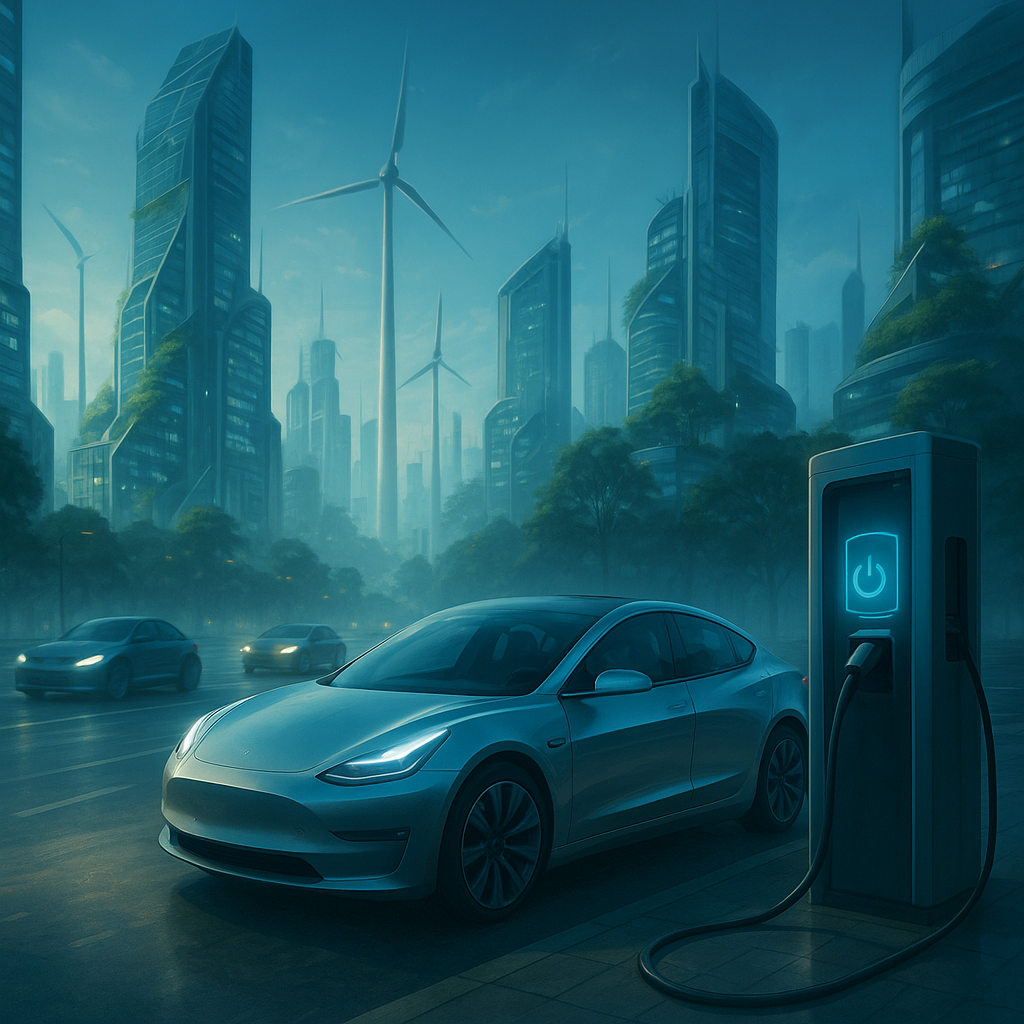
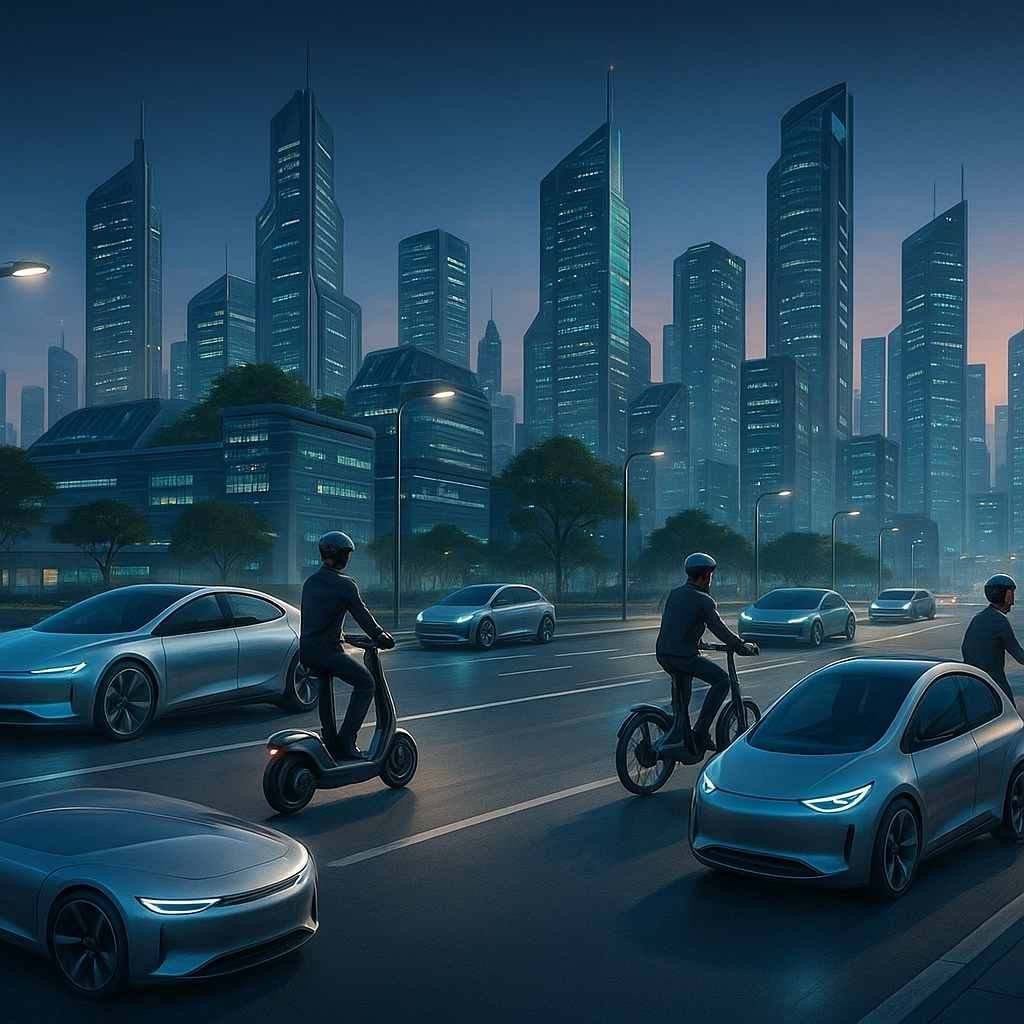
On a brisk spring morning in 2026, the streets of San Francisco witnessed a subtle yet revolutionary transformation. A fleet of newly unveiled electric vehicles (EVs) from various manufacturers glided silently through the city, showcasing innovations that were once thought to be years away. These vehicles, ranging from compact urban commuters to luxury SUVs, embody the culmination of years of technological progress, regulatory shifts, and consumer demand. The electric vehicle market has evolved beyond niche adoption; it is now a global movement reshaping the automotive industry’s very foundation. This article explores the most anticipated EVs scheduled for release in the near future, analyzing how they fit into the broader picture of sustainability, performance, and consumer choice.
As governments worldwide tighten emissions regulations and major automakers commit to phasing out internal combustion engines, the demand for EVs has surged dramatically. According to industry estimates, electric vehicles accounted for nearly 40% of new car sales in key markets such as Europe and China by early 2026, with North America rapidly closing the gap. This momentum sets the stage for a wave of new model launches that promise to elevate electric mobility to new heights.
Tracing the Road to 2026: How Electric Vehicles Evolved
The emergence of future EVs cannot be understood without revisiting the technological breakthroughs and policy decisions that have shaped the last decade. Early EVs, typified by limited range and high costs, faced skepticism. However, advancements in lithium-ion battery technology dramatically improved energy density and lowered costs, with prices dropping by nearly 70% since 2015, according to data from the International Energy Agency.
Government incentives, such as tax credits and subsidies, played a crucial role in stimulating consumer interest and production capacity. The 2020s also saw the rise of dedicated EV platforms, enabling manufacturers to design vehicles optimized for electric powertrains rather than adapting existing internal combustion chassis. This shift unlocked improvements in space utilization, aerodynamics, and weight reduction.
The Iran conflict of 2024, extensively covered by TheOmniBuzz in How the Iran Conflict Accelerated the Electric Vehicle Revolution, further underscored the vulnerability of fossil fuel supply chains, incentivizing governments and corporations to double down on EV adoption and renewable energy integration. As a result, the current crop of future EVs benefits from not only technological maturity but also geopolitical impetus.
Upcoming EVs: A Data-Driven Outlook on What’s Coming
The calendar for new EV releases through 2027 is packed with exciting entrants across all segments. Below is a categorized overview of some of the most anticipated models, illustrating the diversity and innovation that will define the near future.
- Compact and Subcompact EVs: Hyundai’s Ioniq 7, expected in late 2026, aims to deliver a 400-mile range with ultra-fast 800V charging architecture. Similarly, Tesla’s affordable Model 2, rumored for a 2027 debut, targets mass-market adoption with a starting price under $30,000.
- Luxury and Performance EVs: Lucid Motors plans to launch the Gravity SUV in mid-2026, featuring a dual-motor setup delivering over 1,200 horsepower and a range exceeding 500 miles. Mercedes-Benz continues its EQ lineup expansion with the EQE SUV, promising next-level autonomous driving capabilities and enhanced battery longevity.
- Electric Trucks and Commercial Vehicles: Rivian and Ford have intensified competition with the upcoming R2 pickup and F-150 Lightning Alpha, both promising over 400 miles of range and advanced towing technologies. Workhorse Group is set to release a new generation of electric delivery vans optimized for urban logistics.
- Innovative Concepts and Specialty EVs: Canoo’s lifestyle vehicle slated for 2027 introduces modular interiors and subscription-based ownership models. Meanwhile, BMW’s iX M60 refresh will showcase solid-state battery technology, offering faster charging and improved thermal management.
These models illustrate a trend towards higher ranges, faster charging times, and integration of artificial intelligence for driver assistance and vehicle-to-grid (V2G) functionalities. The push for sustainable materials and circular economy principles is also evident, with many manufacturers pledging significant use of recycled and bio-based components.
"The electric vehicle market is no longer just about replacing the engine; it’s about reinventing what a car can be," noted automotive analyst Dr. Lena Torres during the 2026 Global EV Summit.
2026 Developments: What’s Changed and What’s Accelerating
The year 2026 has proven pivotal in accelerating the rollout of advanced EVs. One of the most significant developments is the widespread adoption of solid-state batteries, which surpass traditional lithium-ion cells in energy density, safety, and charging speed. Companies like QuantumScape and Samsung SDI have announced commercial partnerships with automakers to integrate these batteries, with initial models expected in late 2026 or early 2027.
Charging infrastructure has also seen monumental improvements. Ultra-fast charging networks capable of delivering 350 kW or more have expanded rapidly in North America and Europe. Additionally, smart charging technologies that optimize energy use and grid load are becoming mainstream, enabling EVs to act as mobile energy storage units. This evolution aligns with broader smart city initiatives and renewable energy integration efforts.
Another notable trend is the expansion of EV offerings in emerging markets. Chinese manufacturers BYD and NIO are introducing competitively priced models tailored for India, Southeast Asia, and Latin America, leveraging localized supply chains and manufacturing hubs. This global expansion is vital for the sustainability of the electric vehicle industry, ensuring access beyond wealthy urban centers.
The automotive industry is also grappling with supply chain challenges, particularly concerning critical minerals like lithium, cobalt, and nickel. Efforts to develop battery recycling programs and alternative chemistries are underway, though the pressure on raw material sourcing remains intense. TheOmniBuzz’s recent coverage in Scout EV Delays Spotlight Challenges in the Electric Vehicle Boom highlights how these supply issues have impacted production timelines.
Expert Perspectives: Industry Leaders Weigh In
Voices from across the automotive and energy sectors offer valuable insights into the trajectory of future EVs. Dr. Rajiv Malhotra, CTO of a leading EV battery manufacturer, emphasizes the importance of integrating battery innovation with vehicle design. "Battery technology is the linchpin," he asserts, "but it must be complemented by improved thermal management, software optimization, and user-centric features to unlock full potential."
Meanwhile, Julia Chen, director of sustainability at a major automaker, highlights the environmental imperative driving EV development. "It's not just about emissions from the tailpipe anymore. We must consider the entire lifecycle—from raw material extraction to end-of-life recycling. Future EVs will reflect this holistic approach, benefiting both consumers and the planet."
Automotive journalist Mark Reynolds points to evolving consumer expectations: "Buyers are increasingly savvy, looking beyond range and price to factors like digital integration, vehicle personalization, and brand ethics. The next wave of EVs will cater to these demands, blending technology with lifestyle."
"Future electric vehicles are the intersection of technology, sustainability, and user experience," says Julia Chen, underscoring a shift from performance alone to comprehensive value.
Looking Ahead: What to Watch in the Electric Vehicle Space
The path forward for electric vehicles is marked by both opportunity and uncertainty. Several key trends and challenges will shape the market through the late 2020s and beyond.
- Battery Evolution: The commercial viability of solid-state batteries and alternative chemistries like lithium-sulfur will be critical for cost reduction and performance gains.
- Charging Ecosystems: Expansion of fast-charging networks, vehicle-to-grid technology, and wireless charging will influence adoption rates and user convenience.
- Regulatory Landscape: Governments may tighten emissions standards further and introduce mandates for EV quotas, influencing manufacturer strategies and consumer incentives.
- Supply Chain Stabilization: Effective recycling programs and diversification of raw material sources will be essential to avoid bottlenecks and price volatility.
- Autonomous Driving Integration: Many future EVs will incorporate advanced driver-assist and autonomous features, changing how vehicles are used and perceived.
For consumers and industry observers alike, staying informed about these developments is crucial. As the vehicle ecosystem becomes increasingly connected and sustainable, electric cars will transcend their role as mere transportation tools to become integral parts of a smarter, greener society.
Readers interested in the evolving technology and sustainability aspects of upcoming EVs can explore our in-depth analysis in How Future EVs Will Redefine Driving With Tech and Sustainability. Additionally, insights on market dynamics and pricing can be found in How Falling Prices Could Spark an Electric Vehicle Revolution.