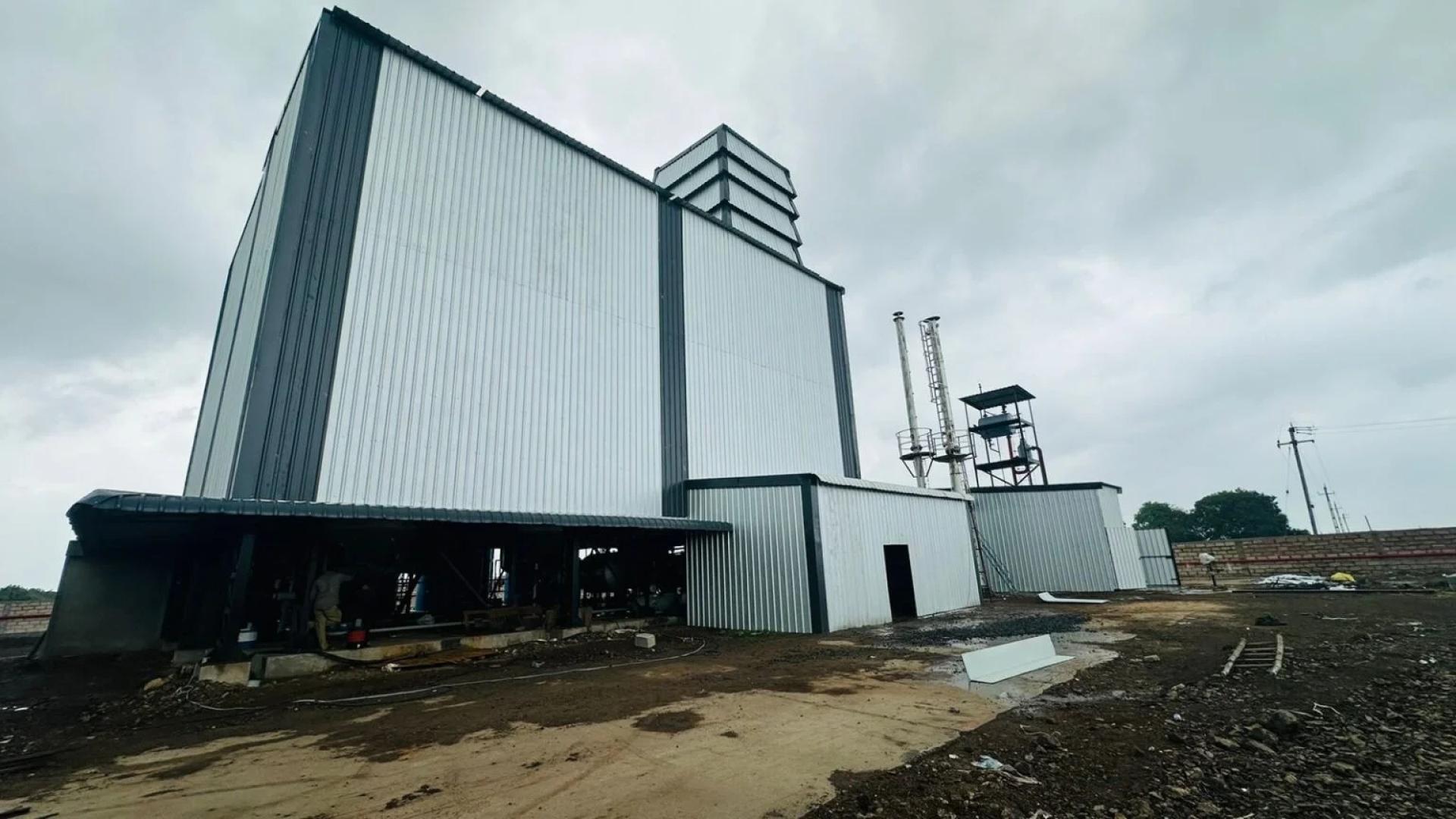
As global industries increasingly prioritize sustainable and renewable energy sources, biodiesel plants are emerging as vital components in the energy transition. Particularly in regions like Kolkata, where industrial growth meets environmental challenges, advancements in biodiesel technology are opening new avenues for efficient fuel production. This article explores the new developments shaping the future of biodiesel plants in 2025, focusing on innovations that promise to boost productivity, reduce costs, and enhance environmental benefits. Industry professionals and decision-makers will find insights relevant to both operational improvements and strategic investments.
The Growing Importance of Biodiesel Plants in Kolkata
Kolkata, with its expanding industrial sector and increasing demand for cleaner energy, represents a key market for biodiesel production. The biodiesel plant in Kolkata sector is witnessing notable growth due to government incentives, availability of feedstock like used cooking oil and non-edible oils, and a rising environmental consciousness among manufacturers. Establishing advanced biodiesel facilities here not only addresses local energy demands but also aligns with India’s broader commitment to reducing carbon emissions.
Innovative Feedstock Utilization: Broadening the Raw Material Base
One of the most significant developments transforming biodiesel plants today is the diversification of feedstock sources. Traditionally reliant on edible oils, modern plants are shifting towards non-edible oils such as Jatropha, algae, and waste cooking oils. This shift is particularly relevant for a biodiesel plant in Kolkata, where sourcing sustainable and cost-effective raw materials can directly influence profitability and environmental compliance.
Advanced pretreatment processes now enable plants to handle lower-quality feedstock, reducing waste and cutting raw material costs. For example, some facilities have integrated enzymatic treatments to enhance oil extraction from algae biomass, thus opening the door for large-scale commercial use of this promising feedstock.
Process Optimization Through Automation and Smart Controls
Technological integration is another key trend revolutionizing biodiesel production. Automation and real-time monitoring systems allow operators to optimize reaction conditions, minimize energy consumption, and improve yield consistency. Smart sensors provide continuous feedback on temperature, pressure, and chemical composition, enabling quick adjustments and reducing human error.
In Kolkata’s industrial environment, where operational efficiency is critical, the adoption of such automated control systems helps biodiesel plants meet strict quality standards while lowering operational costs. Companies like Advance Biofuel are investing in these smart technologies, positioning themselves at the forefront of the industry by delivering reliable and eco-friendly fuel solutions.
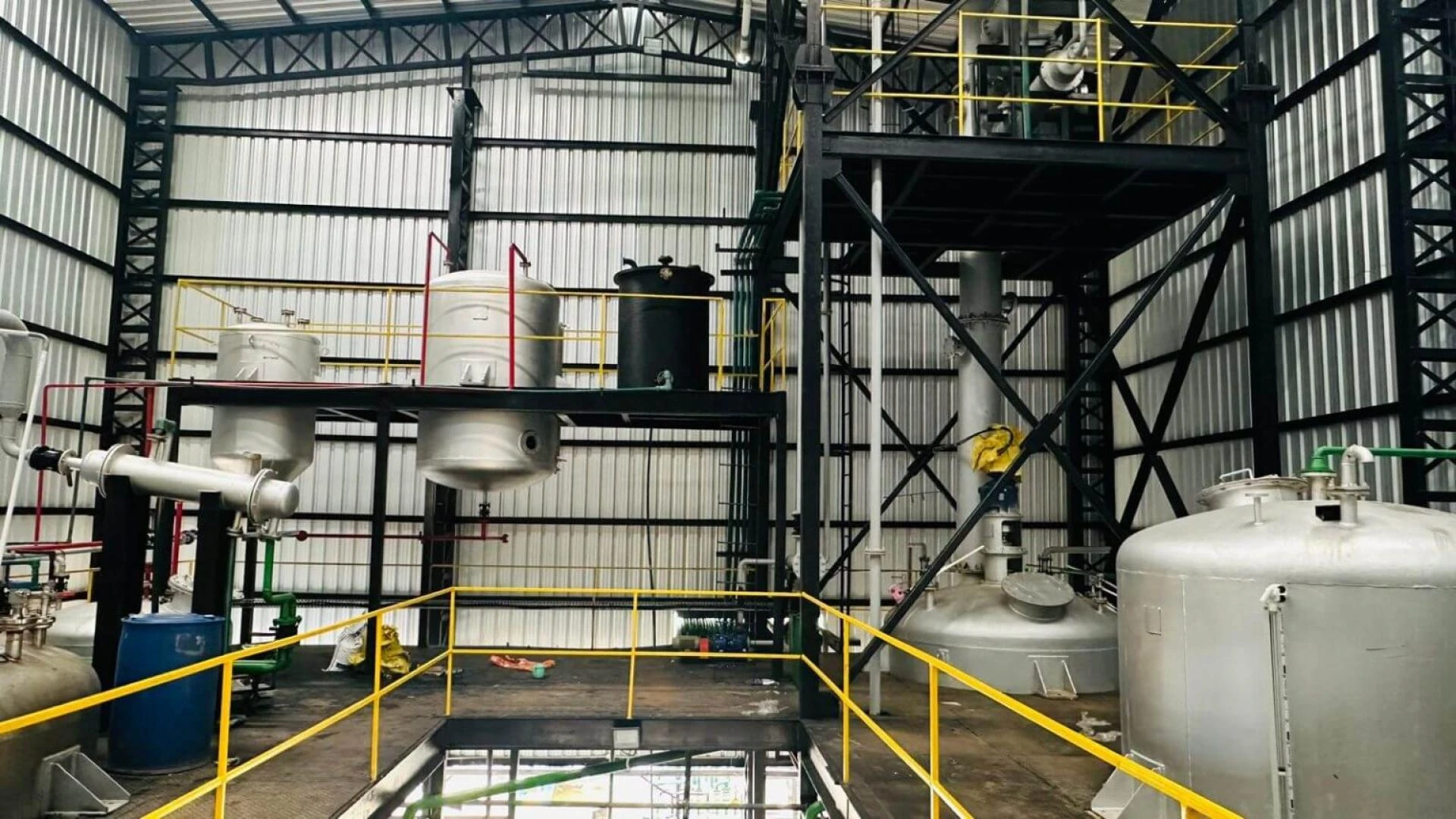
Advanced Catalyst Development for Enhanced Production Efficiency:
Catalysts play a crucial role in biodiesel synthesis, accelerating the transesterification process. Recent advancements include the use of heterogeneous and nanocatalysts, which offer several advantages over traditional homogeneous catalysts. These new catalysts enhance reaction rates, simplify separation processes, and allow for catalyst reuse, thereby reducing chemical waste and operational expenses.
For biodiesel plants in Kolkata aiming for sustainable practices, these catalysts represent a game-changer. The improved efficiency not only boosts production capacity but also contributes to lowering the plant’s environmental footprint.
Waste Management and Byproduct Valorization
Modern biodiesel plants are no longer just about fuel production-they are evolving into integrated biorefineries. Innovative waste management techniques focus on converting glycerol, a byproduct of biodiesel manufacturing, into value-added products such as bioplastics, solvents, and animal feed supplements.
This holistic approach supports circular economy principles and enhances profitability. For industrial stakeholders in Kolkata, adopting such practices can help differentiate their operations while aligning with increasing regulatory pressures for sustainable manufacturing.
Positioning for a Sustainable Energy Future
The advancements highlighted above underscore a pivotal moment for biodiesel plants, particularly in dynamic industrial hubs like Kolkata. Embracing new feedstock sources, integrating automation, utilizing advanced catalysts, and adopting sustainable waste management are key to unlocking the full potential of biodiesel production.
Companies looking to invest or upgrade their facilities would do well to consider these trends carefully. With innovators like Advance Biofuel leading the way, the future of biodiesel plants looks promising-combining economic viability with environmental responsibility.
As the industry moves forward in 2025 and beyond, staying informed about these developments is essential for businesses aiming to thrive in the competitive energy market while contributing to a cleaner planet.