Neural therapy treatment is an injection-based approach that places a small amount of local anesthetic near irritated nerves, scars, or tender tissue to calm pain signals. Many people notice a change within minutes, while others need a few visits. It is not a cure-all, and it works best in the hands of a trained clinician.
What Is Neural Therapy?
Neural therapy is built on a simple idea: your nervous system helps control how tissues feel, move, and heal. After an injury, surgery, or infection, a nerve can stay irritated. It keeps sending pain signals even after the tissue has healed.
Neural therapy aims to interrupt that loop and let the body reset. Practitioners commonly work on scars, trigger points, joints, and nerve clusters called ganglia.
How Does Neural Therapy Treatment Work?
A visit usually starts with a conversation about your injuries, surgeries, scars, and pain history. Your practitioner then examines you to find tender, tight, or restricted areas.
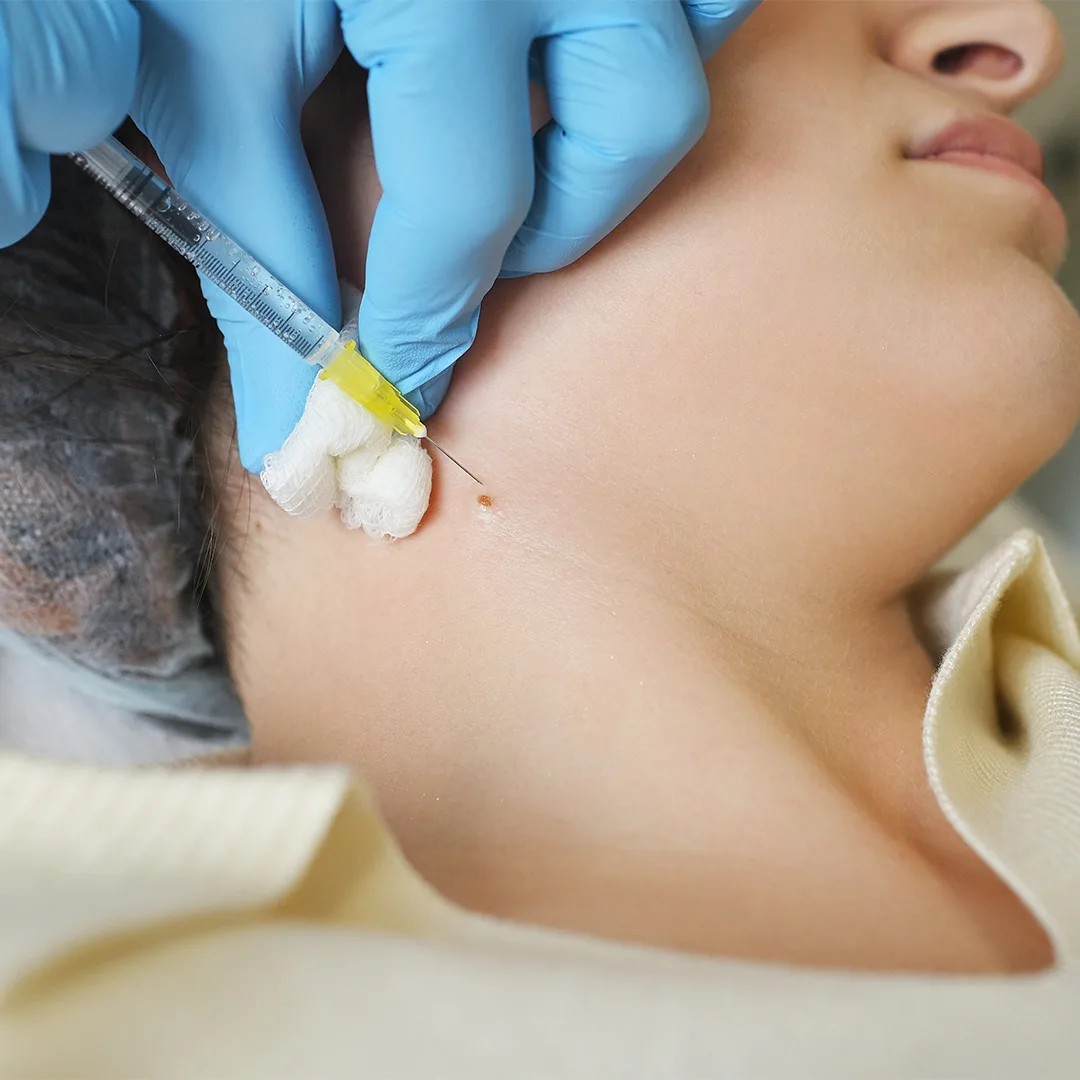
Next, they inject a small amount of anesthetic, such as procaine or lidocaine, into the skin, a scar, or near a nerve. You are observed afterward, and your response guides the next step. Most visits last 30 to 60 minutes.
Neural Therapy vs. Perineural Injections
People often mix these up. Both target nerves, but they are different techniques.
Perineural injections place a tiny amount of fluid, usually dextrose (sugar water), just under the skin along superficial nerves. This method is called perineural injection therapy, or PIT injection therapy. It uses a very thin needle at a shallow depth and focuses on nerve-related pain close to the skin.
Neural therapy often uses local anesthetic and looks at the wider pattern, including scars and ganglia. Many clinicians combine neural therapy with PIT injection therapy.
Common Pain Points and How Learn Neural Therapy Helps
“I can’t find a trained provider.” Learn Neural Therapy has an easy UI to help you navigate and find the perfect provider.
“The information is confusing.” Our website explains what neural therapy is, how and why it works, and what it treats, in plain language. Its podcast, “The Point of Medicine,” and its YouTube channel add practical lessons and demonstrations.
“I’m worried about safety and skill.” Learn Neural Therapy trains physicians (MDs, DOs, NDs), PAs, NPs, chiropractors, and acupuncturists. The training combines injection anatomy with hands-on clinical instruction, in person and online.
“I’m nervous about needles.” The training includes safety guidelines and precise injection anatomy. This helps clinicians explain each step and keep you comfortable.
How to Choose a Practitioner
Look for a licensed healthcare provider who reviews your history, medications, and allergies. They should explain risks and benefits clearly, set goals, and reassess your progress. Never trust anyone who guarantees a cure.
Final Thoughts
Neural therapy treatment gives chronic pain a different lens: the nervous system. Whether you are a patient who wants clear answers or a clinician who wants real skills, Learn Neural Therapy offers practical education. Contact us now!
FAQs
Does neural therapy hurt?
You will feel small pinches. Soreness or bruising for a day or two is common.
How many sessions will I need?
It varies. Some people notice change after one or two visits, while long-standing pain may need a series. A good practitioner explains what early progress should look like instead of promising a fixed number.
Is neural therapy treatment safe?
Risks are low with a trained clinician, but they exist. These include bruising, soreness, infection, nerve irritation, and allergic reaction to the anesthetic. Tell your provider about allergies, blood thinners, and pregnancy.
Is there scientific proof?
Honestly, research is still limited. Some small studies on perineural injections for nerve-related pain look promising, but much of the evidence comes from clinical experience. Be cautious of anyone who guarantees results.
What is it used for?
It is commonly explored for chronic neck and back pain, headaches, joint pain, scar pain, nerve pain, and pelvic pain.
Will insurance cover neural therapy treatment?
Coverage varies and is often limited, so ask the clinic before you book.