In an increasingly connected digital landscape, networks form the foundation of business communication, data sharing, and online services. Any network disruption can lead to productivity loss and customer dissatisfaction. A network monitoring tool helps organizations maintain network stability by continuously tracking performance, availability, and security across all network components.
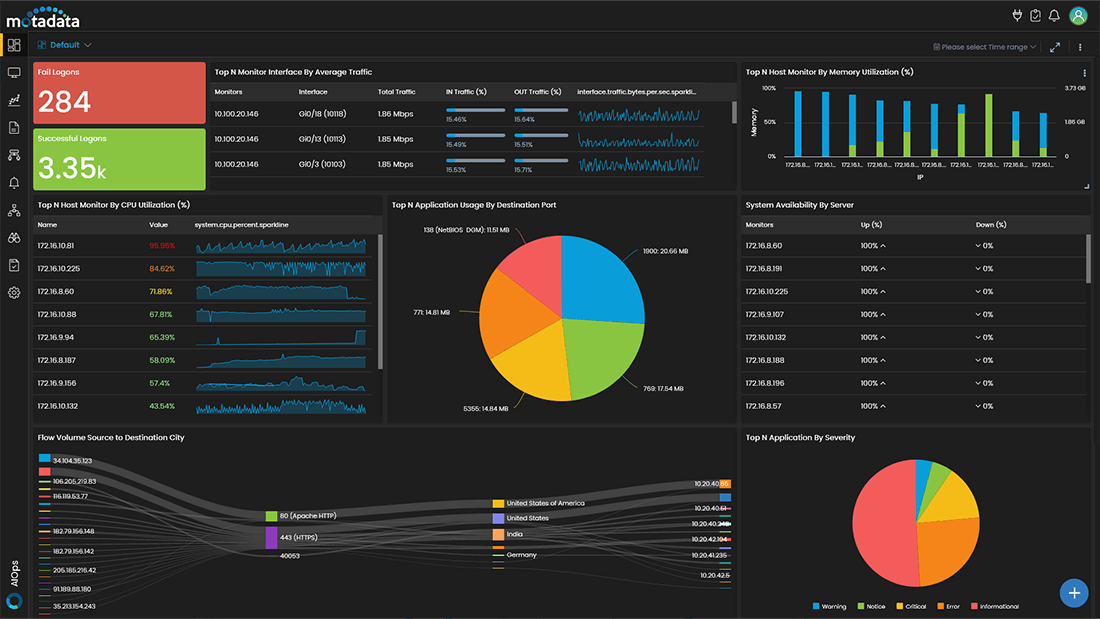
A network monitoring tool is designed to monitor devices such as routers, switches, servers, firewalls, and wireless access points. It collects real-time data on key performance indicators like bandwidth usage, latency, packet loss, uptime, and error rates. By analyzing this information, IT teams gain complete visibility into network operations and can quickly identify potential issues.
One of the main benefits of using a network monitoring tool is early problem detection. Instead of waiting for users to report slow connections or outages, the tool automatically generates alerts when performance thresholds are exceeded. For example, if a critical server goes offline or network traffic suddenly spikes, administrators are immediately notified. This proactive approach minimizes downtime and ensures faster issue resolution.
Another significant advantage is network performance optimization. Network monitoring tools provide historical data and detailed reports that help teams understand traffic patterns and usage trends. These insights allow organizations to optimize bandwidth allocation, eliminate bottlenecks, and improve overall network efficiency. This is especially valuable for businesses experiencing rapid growth or handling high volumes of data.
 Security monitoring is also a key feature of modern network monitoring tools. By tracking unusual activity, unauthorized access attempts, or abnormal traffic flows, these tools help identify potential security threats. Many network monitoring solutions integrate with firewalls and intrusion detection systems, strengthening an organization’s cybersecurity posture.
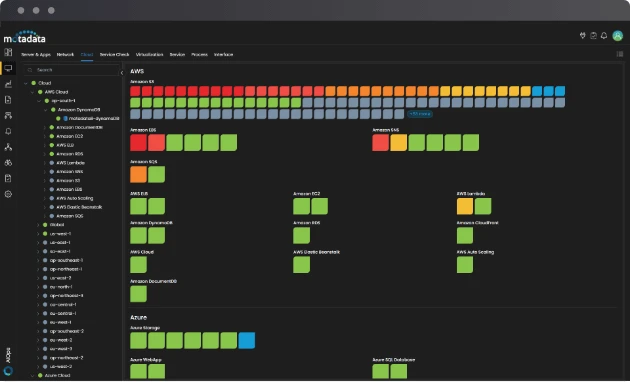
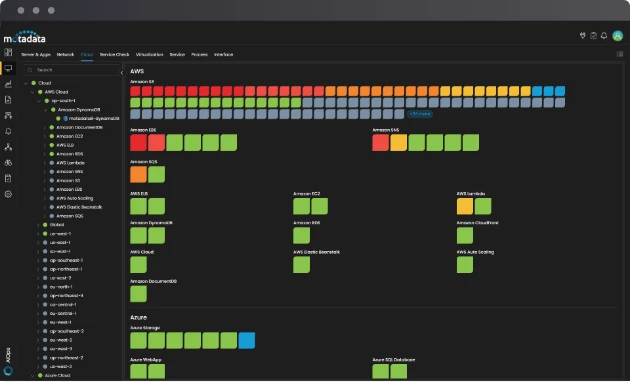
Scalability is another important aspect of network monitoring tools. As businesses adopt cloud computing, remote work models, and Internet of Things (IoT) devices, network complexity increases. Advanced monitoring tools support hybrid and cloud environments, offering centralized dashboards that provide visibility across multiple locations and platforms.
In addition, network monitoring tools improve operational efficiency. Automated monitoring reduces the need for manual checks, allowing IT teams to focus on strategic initiatives rather than routine maintenance. Clear dashboards and visual reports also improve communication between technical and management teams.
visit know for about us :- network monitoring software
In conclusion, a network monitoring tool is essential for ensuring network reliability, performance, and security. By providing real-time visibility, proactive alerts, and actionable insights, it helps organizations maintain a stable network infrastructure and deliver seamless digital experiences.