In today’s digital world, network equipment forms the backbone of every IT infrastructure. Whether it’s a small home office, a mid-sized company, or a global enterprise, reliable network devices ensure fast communication, secure data transfer, and efficient connectivity. Without proper network equipment, even the most advanced systems can face downtime, bottlenecks, or security vulnerabilities.
In this article, we’ll explore what network equipment is, why it matters, the types of devices available, and how to choose the right ones for your organization.
What is Network Equipment?
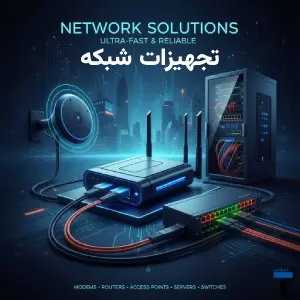
تجهیزات شبکه refers to the hardware devices that enable, control, and secure the communication between computers, servers, and other connected devices. These tools are essential for building both local area networks (LANs) and wide area networks (WANs).
From simple devices like routers to enterprise-grade firewalls and managed switches, network equipment is the invisible engine that powers the modern internet.
Key Types of Network Equipment
Let’s break down the most common categories of network devices:
1. Routers
- Purpose: Direct traffic between different networks, usually between a private network and the internet.
- Use Case: Connecting offices, branch locations, or cloud environments securely.
2. Switches
- Purpose: Connect multiple devices within a LAN and manage data traffic efficiently.
- Types:
- Unmanaged switches – plug-and-play, simple setups.
- Managed switches – advanced configurations, VLANs, monitoring, and security features.
3. Firewalls
- Purpose: Protect networks from unauthorized access, malware, and cyberattacks.
- Options: Hardware firewalls, software firewalls, and next-generation firewalls (NGFWs).
4. Access Points (APs)
- Purpose: Extend wireless coverage within a network.
- Benefit: Ensure employees and devices have seamless Wi-Fi connectivity.
5. Network Cables and Transceivers
- Cables: Ethernet (Cat5e, Cat6, Cat6a, Cat7), fiber optic cables.
- Transceivers: Enable high-speed data transfer between switches, routers, and servers.
6. Servers and Storage Devices
While not strictly “network equipment,” these are often considered part of the ecosystem since they store, process, and deliver data across the network.
Why Network Equipment Matters
- Performance – High-quality switches and routers reduce latency and prevent bottlenecks.
- Security – Firewalls, VPNs, and intrusion prevention systems (IPS) protect sensitive data.
- Scalability – Businesses can expand easily with modular and flexible network hardware.
- Reliability – Proper equipment minimizes downtime and ensures 24/7 connectivity.
Leading Brands in Network Equipment
Some of the most trusted manufacturers include:
- Cisco – Enterprise-grade networking with advanced security and scalability.
- MikroTik – Affordable yet powerful solutions for SMEs and ISPs.
- Ubiquiti – Known for user-friendly wireless access points and network management.
- Huawei – High-performance routers, switches, and firewalls.
- D-Link & TP-Link – Popular for small business and home networks.
How to Choose the Right Network Equipment
When selecting devices, consider:
- Business Size: Small office vs. enterprise requires different levels of performance.
- Network Traffic: High-bandwidth applications like VoIP and video conferencing demand stronger hardware.
- Security Needs: For industries like finance or healthcare, firewalls and intrusion detection are critical.
- Budget & ROI: Balance cost with reliability and future scalability.
Final Thoughts
The right network equipment is the foundation of every digital organization. From ensuring secure data transfers to supporting remote work and cloud services, these devices make modern business possible. Whether you are setting up a home office network or managing a global enterprise infrastructure, investing in quality routers, switches, and firewalls will pay off in performance, security, and long-term growth.