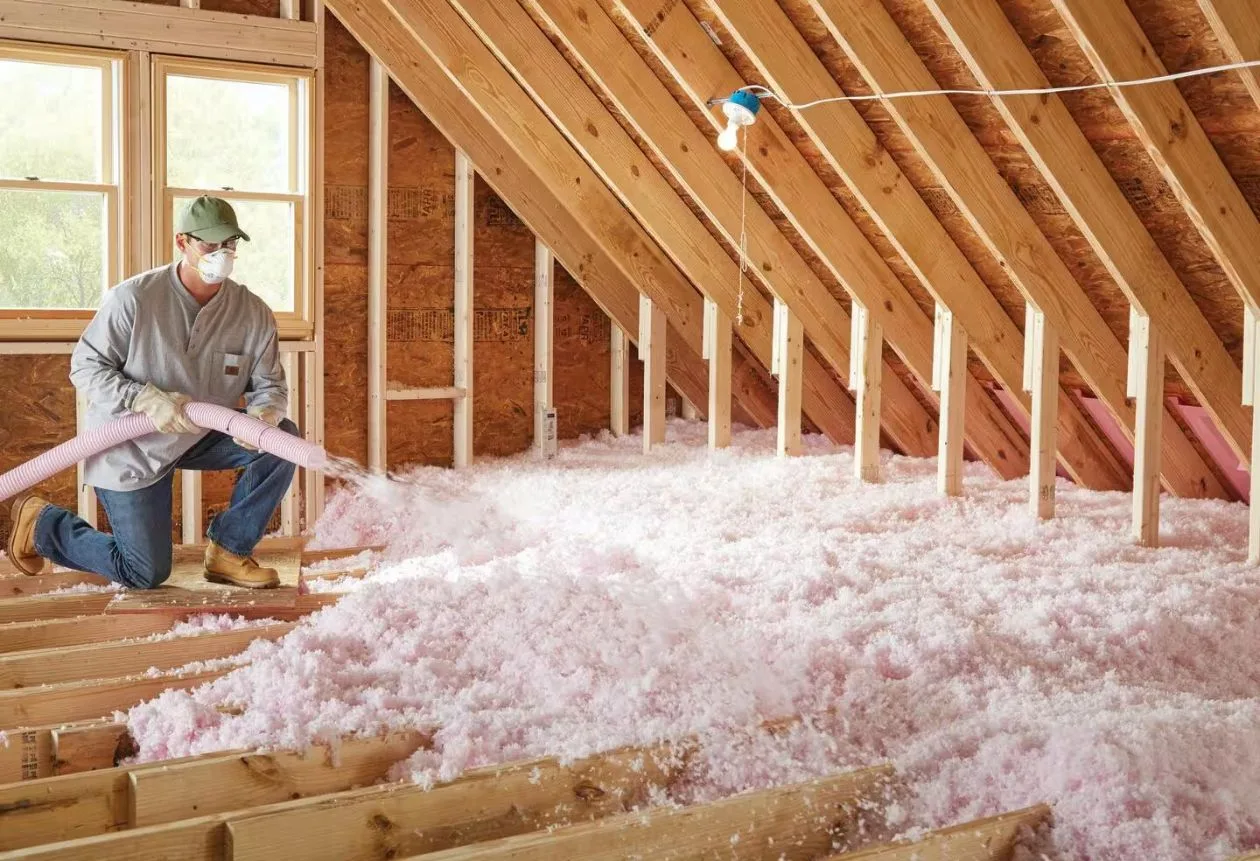
If your Las Vegas home struggles to stay cool during summer, your attic insulation may need attention. Professional attic insulation installation in Las Vegas, NV, can help reduce unwanted heat transfer, improve indoor comfort, and lower heating and cooling demands. Supreme Spray Foam LV helps homeowners explore insulation solutions based on their attic conditions, energy goals, and property needs.
This guide explains attic insulation options, the benefits of professional installation, R-value, local climate considerations, and common insulation problems. You will also learn what to consider when hiring an attic insulation contractor in Las Vegas, NV, and how to request a free quote.
Why Attic Insulation Matters in Las Vegas, NV
Las Vegas experiences extremely hot summers, so attic temperatures can rise significantly when the roof absorbs direct sunlight. Without suitable insulation and proper air sealing, heat can move from the attic into living spaces, making your air conditioning system work harder.
A properly planned insulation system helps slow heat transfer through the ceiling. When combined with effective air sealing and suitable attic ventilation, it can improve comfort and support more efficient home energy use.
Signs Your Attic Needs Better Insulation
Consider scheduling a professional inspection if you notice:
- Uneven indoor temperatures: Upstairs rooms remain warmer than other areas, even when your air conditioner is running.
- High cooling demands: Your HVAC system runs frequently during hot weather, although several factors can contribute to this problem.
- Damaged insulation: Existing material is compressed, wet, displaced, or visibly deteriorated.
- Air leaks: Gaps around ceiling penetrations, attic access points, or ductwork allow unwanted air movement.
An inspection can help determine whether you need additional insulation, air sealing, duct repairs, or a combination of improvements.
Benefits of Professional Attic Insulation Services
Professional attic insulation services begin with understanding how your attic handles heat and airflow. The right approach depends on the existing material, roof design, air leakage, and overall condition of the space.
Key benefits include:
- Improved indoor comfort: Insulation slows heat transfer, helping reduce temperature fluctuations between the attic and living areas.
- Potential energy savings: Reducing heat gain can lower cooling demand, although actual savings depend on the home, HVAC system, and installation quality.
- Better air sealing: When paired with appropriate air sealing, insulation work can reduce drafts and unwanted air movement.
- More consistent performance: Correct installation helps prevent gaps, compression, and other defects that reduce insulation effectiveness.
- Long-term home protection: Identifying moisture problems and damaged materials before installation can help prevent future insulation issues.
For homeowners comparing home insulation in Las Vegas, NV, a professional assessment helps identify the most suitable solution instead of relying on material recommendations alone.
Choosing the Right Attic Insulation Material
Different insulation materials offer different benefits. Spray foam is one option, but fiberglass and cellulose may also suit certain homes.
Insulation TypeMain AdvantagesConsiderationsSpray FoamProvides insulation and can create an air barrier when properly installedHigher initial cost and specific installation and curing requirementsFiberglassAvailable in batts and loose-fill forms and commonly used in atticsGaps, compression, and air leaks can reduce performanceCelluloseLoose-fill material that can cover irregular attic surfacesMoisture management and correct installation depth are essentialThe best option depends on attic design, budget, existing insulation, and energy goals. A qualified contractor can explain each material's advantages and limitations.
Is Spray Foam Attic Insulation a Good Choice?
Spray foam attic insulation can be useful when air leakage is a major concern. Closed-cell spray foam generally provides a higher R-value per inch than open-cell foam. When installed correctly, both types can help control air movement.
However, spray foam is not automatically the best solution for every attic. The contractor should assess the roof assembly, ventilation strategy, moisture conditions, and applicable building requirements before recommending an installation method.
Homeowners can review the U.S. Department of Energy's guide to home insulation to learn more about insulation materials, installation methods, and energy performance.
Pros and Cons of Attic Insulation Installation
Understanding the advantages and limitations helps homeowners make informed decisions before scheduling work.
Advantages of Attic Insulation
- Better thermal comfort: Proper insulation helps reduce heat transfer through the ceiling during Las Vegas summers.
- Potential lower energy consumption: Improving inadequate insulation can reduce cooling demand and support more efficient HVAC operation.
- Improved air leakage control: Combining insulation with suitable air sealing helps limit unwanted airflow.
- Opportunity to identify hidden problems: An inspection may reveal damaged insulation, roof leaks, or ductwork issues that need attention.
Potential Disadvantages
- Upfront costs: The total investment depends on attic size, material selection, existing insulation, and preparation requirements.
- Installation challenges: Poor workmanship can leave gaps or create moisture-related problems.
- Special handling requirements: Some spray foam applications require specialized equipment, controlled installation conditions, and time for curing before reoccupancy.
A detailed assessment helps determine whether the expected benefits justify the project cost.
Common Attic Problems Las Vegas Homeowners Face
Attic insulation problems can affect comfort even when the HVAC system appears to be working normally. Identifying the cause is the first step toward an effective solution. For example, a bedroom that becomes unusually hot in the afternoon may have thin ceiling insulation, air leaks, or poorly sealed ducts. Adding insulation without addressing major air leaks or duct problems may not resolve the entire issue.
Other common concerns include:
- Insufficient insulation depth: Older or disturbed insulation may no longer provide the coverage the home needs.
- Leaky attic ductwork: Conditioned air escaping from ducts can waste energy and reduce indoor comfort.
- Roof or plumbing leaks: Wet insulation may lose effectiveness and contribute to material damage or mold growth.
- Blocked ventilation: Inadequate airflow, where ventilation is required by the attic design, can contribute to heat and moisture problems.
A thorough inspection helps distinguish insulation deficiencies from other building performance issues.
How Las Vegas Weather Affects Attic Insulation
Las Vegas has a hot desert climate, with intense summer sunshine and relatively mild winters compared with colder regions. Summer heat makes attic insulation especially important for controlling heat gain through the ceiling. Installation can often be planned throughout the year, provided the manufacturer's requirements and site conditions are met. Spray foam applications need particular attention to substrate temperature, moisture, ventilation during installation, and curing conditions.
Before installation, ask your contractor how the proposed work will address existing roof leaks, attic ventilation, and air sealing. These details can affect the long-term performance of the insulation system.
What Is the Best Time to Install Attic Insulation?
Attic insulation can be installed in different seasons. The best time depends on contractor availability, attic conditions, material requirements, and any repairs that must be completed first. Scheduling an inspection before the hottest part of summer may help homeowners identify insulation deficiencies before cooling demand increases. However, there is no single installation season that suits every property.
Understanding Attic Insulation R-Value
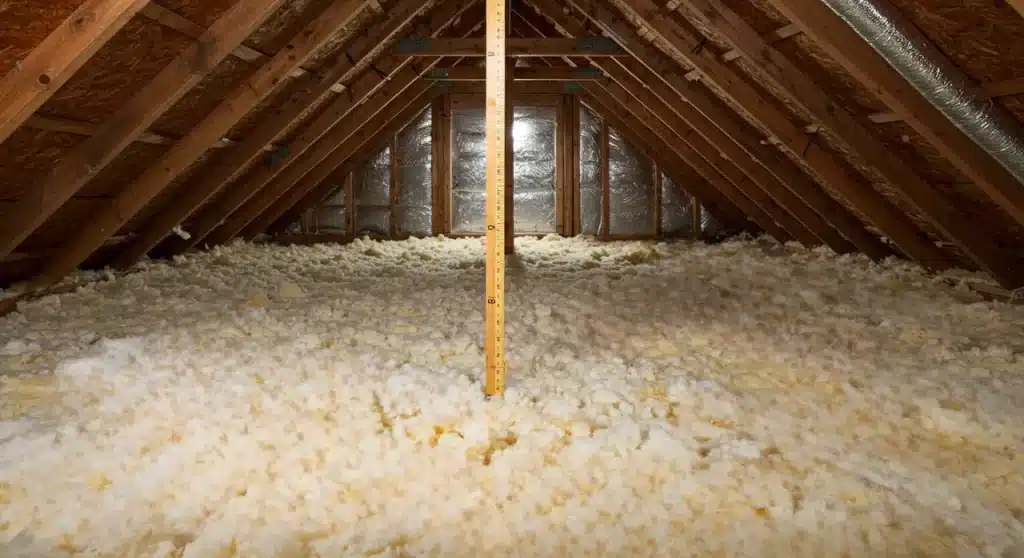
R-value measures how well insulation resists heat flow. A higher R-value generally means greater resistance to heat transfer when the material is properly installed.
The recommended attic R-value depends on climate, building design, existing insulation, and applicable energy requirements. Homeowners should consider the following factors when evaluating insulation recommendations:
- Material type: Different materials provide different R-values per inch.
- Installed depth: Fiberglass and cellulose performance depends partly on achieving the appropriate installed thickness.
- Air leakage: Insulation does not automatically seal every gap, so air sealing may be necessary.
- Installation quality: Gaps, compression, and inconsistent coverage can reduce overall effectiveness.
Do not compare insulation products by thickness alone. Ask your contractor to explain the recommended R-value and how the proposed system will meet your home's needs.
Why Consider Supreme Spray Foam LV?
Choosing an attic insulation contractor involves more than comparing prices. You need a clear explanation of the recommended material, installation process, and any work required before insulation begins.
Supreme Spray Foam LV provides insulation services for residential and commercial clients. Owner Victor Ramirez brings over 10 years of experience in the insulation industry, with a focus on energy efficiency, professional service, and reliable results.
Before approving your project, ask about:
- Recommended insulation: Understand which material and R-value are appropriate for your attic.
- Air sealing and ventilation: Confirm how the proposed work will address air leakage and ventilation requirements.
- Installation and preparation: Ask about removal of old insulation, necessary repairs, installation procedures, and curing time.
- Project costs: Request a clear estimate that explains the scope of work, materials, labor, and any additional charges.
- Warranty and follow-up: Clarify what workmanship or material warranties apply to the proposed installation.
For additional guidance on choosing an insulation professional and improving home energy performance, homeowners can consult the ENERGY STAR home sealing and insulation resources.
Get a Free Attic Insulation Quote in Las Vegas, NV
If your attic insulation is outdated, damaged, or insufficient, a professional assessment can help you determine the next step. Supreme Spray Foam LV can discuss your insulation needs and help you evaluate a suitable approach for your property.
Request a free quote to discuss your attic's condition, compare available insulation options, and understand the work your home may require.
Contact Supreme Spray Foam LV today:
- Phone: (702) 904-9895
- Email: [email protected]
- Service Area: Las Vegas, Nevada
Describe your attic concerns and ask which insulation options may fit your home, budget, and energy goals.
Frequently Asked Questions
How Much Does Attic Insulation Installation Cost in Las Vegas, NV?
The cost depends on attic size, insulation type, required R-value, accessibility, existing material removal, and air sealing needs. Request an inspection and itemized quote for an accurate estimate.
What Is the Best Insulation for an Attic in Las Vegas?
There is no single best option for every property. Spray foam, fiberglass, and cellulose can all be appropriate depending on the attic structure, air leakage, budget, and installation requirements.
Is Spray Foam Better Than Fiberglass for Attics?
Spray foam can provide air sealing alongside insulation, while fiberglass is often less expensive upfront. The better choice depends on the project's goals, installation conditions, and total cost.
How Long Does Attic Insulation Installation Take?
Many straightforward projects can be completed within a day, but larger attics, removal of existing insulation, repairs, and spray foam curing requirements can extend the schedule. Your contractor should provide a project-specific timeline.
Can New Attic Insulation Lower Energy Bills?
It can help reduce heating and cooling demand when existing insulation or air sealing is inadequate. Actual savings vary with the home, energy prices, HVAC efficiency, and installation quality.
When Is the Best Time to Install Attic Insulation in Las Vegas?
Insulation can be installed in different seasons. Scheduling depends on contractor availability, attic conditions, material requirements, and whether roof leaks or other repairs must be addressed first.
Do I Need to Remove Old Attic Insulation Before Installing New Insulation?
Not always. Existing insulation may be suitable to retain if it is dry, clean, and in good condition. Wet, contaminated, damaged, or otherwise unsuitable material may need removal after a professional assessment.
Author & Reviewer
Author: Victor Ramirez
I'm Victor Ramirez, owner of Supreme Spray Foam LV, with over 10 years of experience in the insulation industry. I focus on providing high-quality spray foam insulation services, improving energy efficiency, and delivering reliable results for residential and commercial clients with professionalism and attention to detail. That same focus on quality, energy efficiency, and reliable results is what I bring to every project, because professionalism and attention to detail matter on every job. Delivering dependable, high-quality spray foam insulation results remains my focus for every client I serve.
Reviewer: Michael Carter
Michael Carter reviewed this article using insight gained over 12 years in the spray foam business. His feedback focused on helping contractors reach new customers without overcomplicating their message.