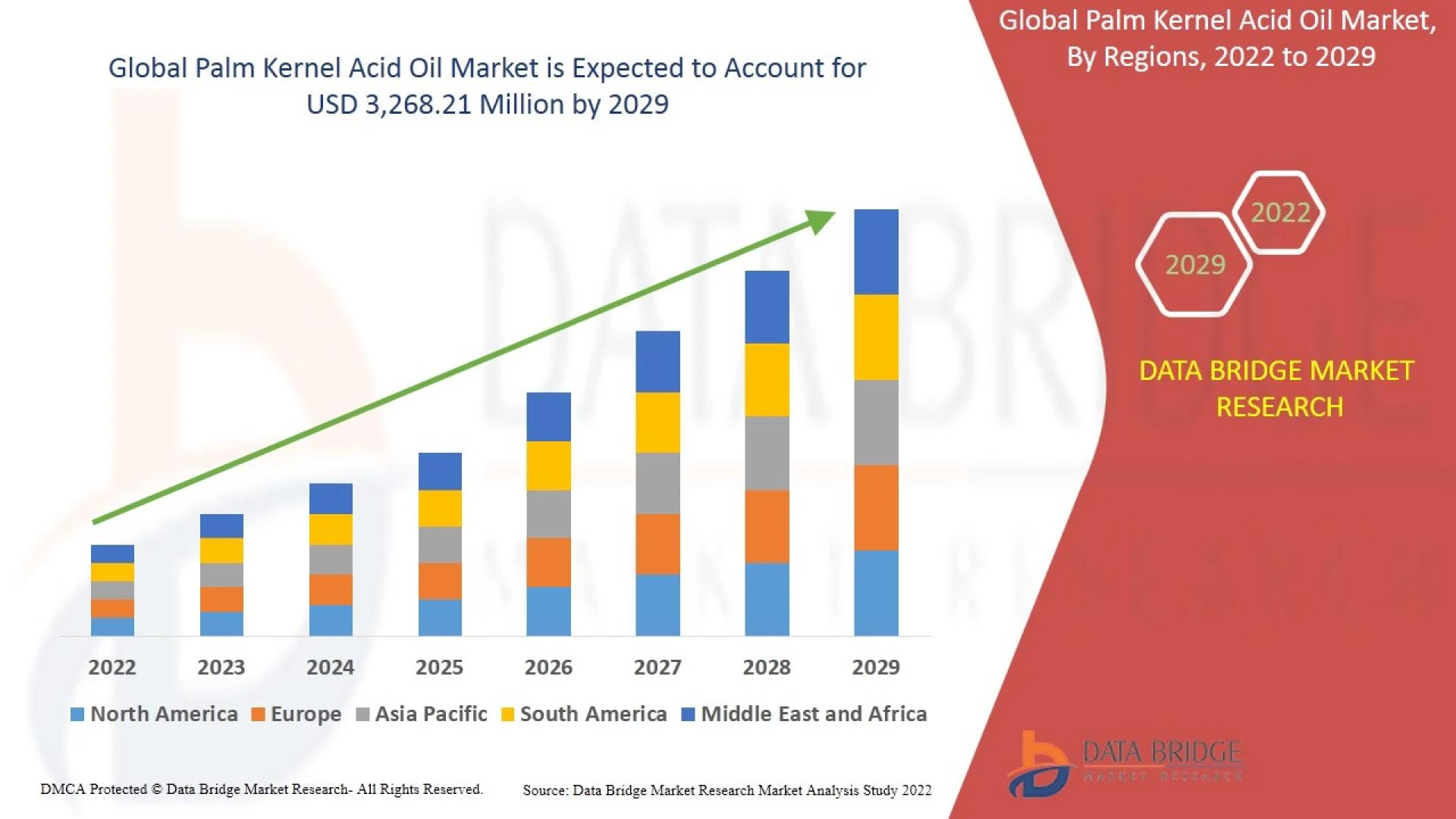
The Palm Kernel Acid Oil (PKAO) market is experiencing significant shifts, driven by increased demand in various industrial sectors and rising environmental concerns. As a byproduct of palm kernel oil refining, PKAO plays a vital role in industries such as soap manufacturing, oleochemicals, and animal feed. With the global emphasis on sustainable sourcing and greener alternatives, the market for palm kernel acid oil is poised for transformation and growth.
Market Overview
Palm Kernel Acid Oil is derived from the hydrolysis and splitting of palm kernel oil. It contains free fatty acids and is typically used in applications requiring lower purity levels. Despite being a byproduct, PKAO holds substantial value, especially in emerging economies where cost-effective inputs are in demand.
- Market Size and Growth Rate: The global PKAO market was valued at approximately USD X billion in 2024 and is expected to grow at a CAGR of X.X% through 2030.
- Key Regions: Southeast Asia remains the largest producer, with Indonesia and Malaysia leading the supply chain. Europe and North America are major consumers, especially for bio-based industrial applications.
Drivers of Market Growth
- Surge in Soap and Detergent Manufacturing: PKAO is a cost-effective raw material used in soap production due to its high fatty acid content.
- Expanding Oleochemical Industry: With growing demand for bio-based chemicals in cosmetics, lubricants, and surfactants, the consumption of PKAO has seen a steady increase.
- Sustainable Feedstock Demand: As the global livestock industry seeks affordable feed additives, PKAO is being increasingly used in animal nutrition.
- Waste Valorization: The trend of converting byproducts into valuable materials aligns well with circular economy models, boosting PKAO's appeal.
Challenges and Restraints
- Environmental Concerns: The palm oil industry has faced criticism over deforestation and biodiversity loss, leading to increased scrutiny and regulations.
- Price Volatility: Being linked to the broader palm oil supply chain, PKAO prices are vulnerable to fluctuations in raw palm kernel oil markets.
- Quality and Purity Constraints: Limited applications in high-end sectors due to its impure nature compared to refined oils.
Emerging Opportunities
- Green Chemistry Innovations: R&D investments into converting PKAO into high-value oleochemicals are gaining momentum.
- Circular Economy Initiatives: Industries are investing in sustainable sourcing and waste management, further integrating PKAO into eco-friendly production cycles.
- Biofuel Potential: Preliminary studies suggest possible uses of PKAO in biodiesel blends, opening new avenues in renewable energy.
Competitive Landscape
The market includes both multinational and regional players. Major companies involved include:
- Wilmar International
- Sime Darby Plantation
- Cargill Inc.
- KLK OLEO
- Godrej Agrovet
Strategic alliances, joint ventures, and vertical integration are common strategies to maintain competitive advantage and ensure supply chain stability.
Get More Details:
https://www.databridgemarketresearch.com/reports/global-palm-kernel-acid-oil-market
Conclusion
The Palm Kernel Acid Oil market is navigating a period of robust growth driven by cost-efficiency, industrial demand, and sustainability trends. However, achieving scalability and long-term growth will depend on ethical sourcing, innovation in applications, and regulatory compliance. Stakeholders investing in sustainable practices and technological advancements are likely to shape the future of this dynamic market.