
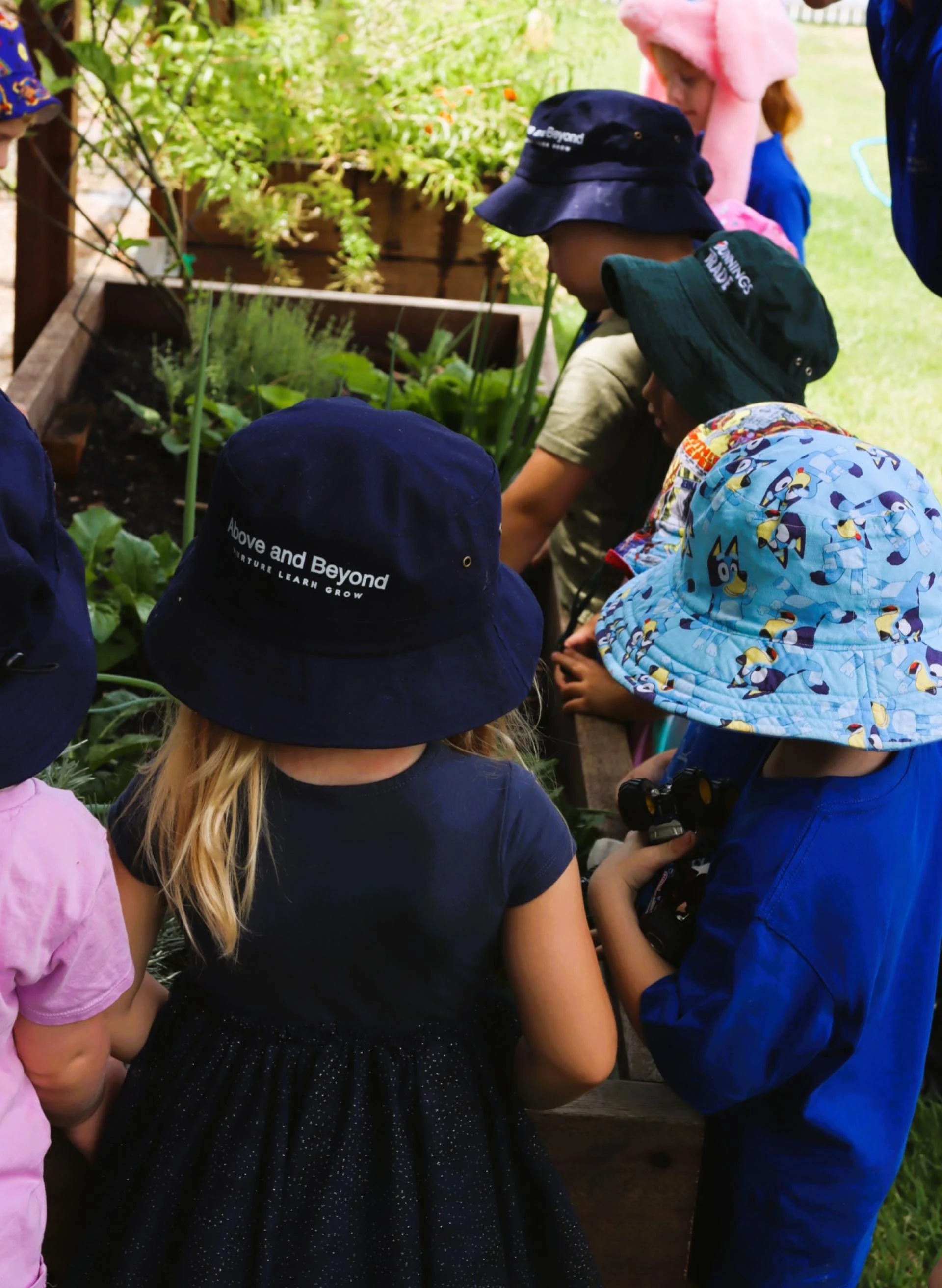
In the heart of Queensland's Wide Bay region, Bundaberg's kindergartens are revolutionizing early childhood education by transforming their outdoor spaces into dynamic learning environments. This coastal city, renowned for its sugar cane fields, pristine beaches, and proximity to the Great Barrier Reef, provides an unparalleled natural classroom that forward-thinking educators are leveraging to create meaningful learning experiences. Rather than viewing outdoor time as mere recess, Bundaberg's kindergartens are integrating nature-based learning into their core curriculum, recognizing that children learn best when they can touch, explore, and discover the world around them.
The Bundaberg Advantage: Natural Learning Laboratories
Bundaberg's unique geographic position offers kindergartens an extraordinary variety of natural learning opportunities. Local centers have developed partnerships with nearby botanical gardens, where children engage in hands-on science lessons about plant life cycles and ecosystems. The famous Bundaberg Botanic Gardens serves as an extended classroom, where young learners observe seasonal changes, identify native Queensland plants, and understand the delicate balance of local ecosystems. Coastal kindergartens take advantage of nearby beaches for marine biology exploration, teaching children about turtle nesting sites, coral reef protection, and sustainable ocean practices through age-appropriate activities.
The region's agricultural heritage provides another rich learning dimension. Many kindergartens have established relationships with local sugar cane farms and macadamia plantations, offering children firsthand experiences with food production and agricultural sciences. These partnerships extend beyond simple farm visits, incorporating ongoing projects where children plant seeds, monitor growth, harvest produce, and understand the journey from farm to table. Such experiences build environmental stewardship while connecting children to their community's economic and cultural foundations.
Innovative Outdoor Learning Programs
Progressive Bundaberg kindergartens have moved beyond traditional playground equipment to create multifaceted outdoor learning zones. Natural play spaces featuring logs, rocks, sand, and water elements encourage creative problem-solving and physical development. Many centers have installed weather stations where children learn basic meteorology by recording daily temperature, rainfall, and wind patterns. These observations become integrated into math lessons through graphing activities and science discussions about weather patterns affecting their coastal environment.
Bush kindergarten programs are gaining popularity, where children spend extended periods in natural bushland settings under expert supervision. These programs develop environmental awareness, resilience, and independence while fostering deep connections with native flora and fauna. Qualified educators guide children through nature walks, animal tracking, and bush craft activities that build confidence and environmental knowledge simultaneously.
Curriculum Integration and Learning Outcomes
The outdoor education approach in Bundaberg kindergartens seamlessly integrates with traditional learning objectives. Mathematics concepts emerge naturally through measuring plant growth, counting wildlife observations, and calculating distances during nature walks. Literacy development occurs through nature journaling, storytelling inspired by outdoor discoveries, and research projects about local animals and plants. Art activities incorporate natural materials like leaves, flowers, and sand, encouraging creativity while developing fine motor skills.
Science education becomes tangible and engaging through outdoor exploration. Children learn about life cycles by observing butterflies in garden habitats, understand physics through water play and building with natural materials, and explore chemistry through cooking activities using garden-grown herbs and vegetables. These hands-on experiences create lasting memories and deeper understanding compared to traditional indoor instruction methods.
Supporting Child Development Through Nature
Research consistently demonstrates that outdoor education supports holistic child development, and Bundaberg kindergartens are witnessing these benefits firsthand. Children engaged in regular outdoor learning show improved physical fitness, enhanced problem-solving abilities, and greater emotional regulation. The natural environment provides sensory-rich experiences that support children with diverse learning needs, offering calm spaces for overwhelmed children and stimulating challenges for those requiring additional engagement.
Social skills flourish in outdoor settings where children collaborate on building projects, share discoveries, and work together to overcome natural obstacles. Leadership qualities emerge as children guide peers through familiar outdoor spaces and share knowledge about local wildlife and plants. These social interactions occur organically, supported by the less structured nature of outdoor environments.
Practical Implementation for Families
Parents can extend outdoor learning at home by creating simple nature exploration opportunities. Bundaberg families have access to numerous parks, beaches, and natural areas perfect for weekend adventures that complement kindergarten programs. Local libraries offer field guides and nature-based activity books specific to the region, helping families identify plants, birds, and insects during home explorations.
Community gardens and environmental groups provide additional learning opportunities where families can volunteer together, reinforcing kindergarten lessons about environmental stewardship and community involvement. These connections help children see their learning as part of a larger community effort to protect and understand their natural environment.
The Future of Early Learning in Bundaberg
Bundaberg's commitment to outdoor education positions its kindergartens at the forefront of early childhood innovation. By embracing their natural advantages and creating meaningful connections between children and their environment, these programs are preparing young learners for a future where environmental awareness and sustainability are essential life skills. The integration of nature and nurture in Bundaberg's kindergartens demonstrates that quality early education doesn't require expensive equipment or elaborate facilities—it requires thoughtful educators who recognize the profound learning potential in the natural world surrounding every child.