Selecting architectural surfacing materials demands an understanding of geological formation, mineral composition, and structural performance. For decades, natural stone has defined high-end construction, providing both aesthetic permanence and functional endurance. Within modern stone fabrication and export sectors, the distinction between standard natural stone and exotic stone plays a decisive role in specification, structural detailing, and finishing. Galaxy Exports works directly at the intersection of quarrying, precision processing, and international supply to align material capability with architectural intent. Evaluating compressive strength, absorption rates, petrographic stability, and fabrication tolerance is necessary to establish the ideal surface for any residential or commercial project.
Petrographic Origins and Physical Characteristics of Standard Natural Stone
Standard natural stone encompasses sedimentary, metamorphic, and igneous formations quarried in massive, uniform geological deposits. Among the most recognized are sandstone, granite, slate, and classic limestone. These formations develop through consistent pressure, heat, or mineral sedimentation over extensive geologic epochs, yielding predictable grain structures, uniform crystalline beds, and dependable strength ratings.
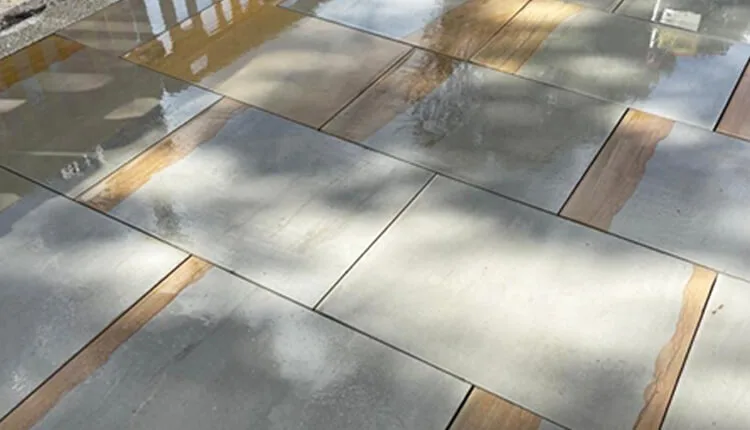
In exterior applications, standard natural stone excels due to its mechanical stability. A reputable Sandstone exporter in India supplies dense, silica-bound sedimentary varieties capable of withstanding freeze-thaw cycles, high surface abrasion, and heavy environmental exposure. Sandstone displays water absorption rates typically ranging between 1.0% and 1.5%, paired with high flexural strength when split along natural bedding planes. Granite exhibits minimal porosity and exceptional Mohs hardness (often between 6 and 7), making it resilient against organic acids, thermal shock, and point loads.
Because classic natural stone blocks are sourced from homogenous rock strata, fabricators achieve large, consistent cut-to-size runs. Variations across individual slabs remain subtle, allowing architects to plan expansive facades, public plazas, and institutional flooring without dramatic visual disruption across expansion joints.
The Distinctive Makeup and Formation of Exotic Stones
Exotic stones represent geological rarities—anomalies formed under intense metamorphic pressures, volatile hydrothermal intrusions, or concentrated mineral crystallization. This classification includes dramatic quartzites, vivid sodalites, translucent onyx varieties, and complex granitic pegmatites veined with rare mineral deposits such as feldspar varieties, mica clusters, and semi-precious gems.
Sourcing these varieties requires targeted quarry extraction, where usable yield represents only a fraction of total excavated material. A specialized exotic stone supplier in India identifies, stabilizes, and refines these irregular blocks using advanced vacuum-resining techniques, high-tensile fiberglass mesh backing, and multi-axis diamond wire sawing.
The physical behavior of exotic stone varies sharply across its surface. While a pure quartzite segment boasts a Mohs hardness reaching 7 to 8, surrounding decorative mica sheens or calcite pockets may exhibit lower compressive tolerance or heightened vulnerability to chemical etching. Translucency represents another unique characteristic: crystalline onyx and select quartzites transmit light, transforming slabs into functional light fixtures when back-illuminated. Exotic stone is valued not for uniformity, but for its dynamic mineral currents, contrasting hues, and visual depth.
Comparative Properties: Structural Performance and Maintenance
Specifying between standard and exotic stone requires evaluating technical parameters against expected environmental stressors:
- Hardness and Scratch Resistance: Standard granites and quartzites resist impact abrasion, making them suited for demanding utility surfaces. Exotic stones featuring softer mineral bands or resin-reinforced fissure networks require controlled tool handling and protection from direct impacts.
- Porosity and Sealing Protocols: Standard sandstone and limestone absorb liquids predictably, responding effectively to standard penetrating silane-siloxane impregnators. Exotic variations exhibit variable micro-porosity across a single slab, demanding customized, breathable fluoropolymer sealers to stabilize porous zones without dulling the natural luster.
- Fabricator Workability: Standard stone machines cleanly along consistent cleavage planes. Exotic slabs demand slow feed rates, continuous water cooling, and specialized diamond-grit tooling during CNC cutting to eliminate tensile fracturing along natural mineral seams.
- Visual Repeatability: Standard materials allow near-identical slab matches across hundreds of square meters. Exotic materials represent unique natural artwork; bookmatched slabs must be mapped digitally prior to final installation to align directional veining accurately.
Ideal Applications: Matching Material to Space
Selecting stone based on technical thresholds guarantees both longevity and design execution:
Standard Natural Stone:
- Exterior facades, dry-cladded curtain walls, and thermal building envelopes
- High-traffic commercial flooring, airport concourses, and corporate entry plazas
- Pool surrounds, outdoor coping, and landscaped pedestrian pathways
- Hardwearing kitchen prep surfaces, utilitarian laboratory tops, and structural stair treads
Exotic Stone:
- Statement kitchen islands, waterfall edges, and luxury residential bar tops
- Bookmatched feature walls in boutique hospitality lobbies and executive suites
- Custom backlit vanities, backlit bar counters, and decorative fireplace surrounds
- Master bathroom focal slabs, bespoke furniture inlays, and sculptural reception desks
Balancing standard natural stone for durability with exotic stone for targeted focal points delivers architectural cohesion, enduring stability, and distinctive design value.