In a world where pharmaceutical solutions are often the first line of defense against physical discomfort, a growing number of individuals are pausing to reconsider their options. The search for natural pain relief without medication has become a priority for those who are concerned about the long term effects of synthetic drugs. Whether dealing with a stiff neck, persistent lower back issues, or general muscle fatigue, the desire to find a sustainable and biological solution is more prevalent than ever.
Hijama therapy, also known as wet cupping, has emerged as a cornerstone of this movement. While it is rooted in ancient tradition, its role in modern healthcare is increasingly supported by functional medicine and physiological research. By understanding how this therapy works with the body’s own systems, we can see why it is becoming a preferred method for drug free pain management.
The Limitations of Pharmaceutical Pain Management
For many years, the standard approach to injury or chronic discomfort was to suppress the sensation using chemical compounds. While these medications can be effective for short term relief, they often fall short when used as a primary strategy for long term wellness. The problem with relying solely on pills is that they typically address the symptom rather than the source.
When we look for a natural therapy for chronic pain, we are looking for something that changes the environment of the tissue. Medication travels through the entire digestive and circulatory system to reach a specific point of pain, often leaving behind unwanted side effects in the liver or stomach. In contrast, alternative pain relief therapy focuses on direct physical intervention, allowing the body to heal itself without the introduction of foreign substances.
How Hijama Therapy for Pain Relief Works
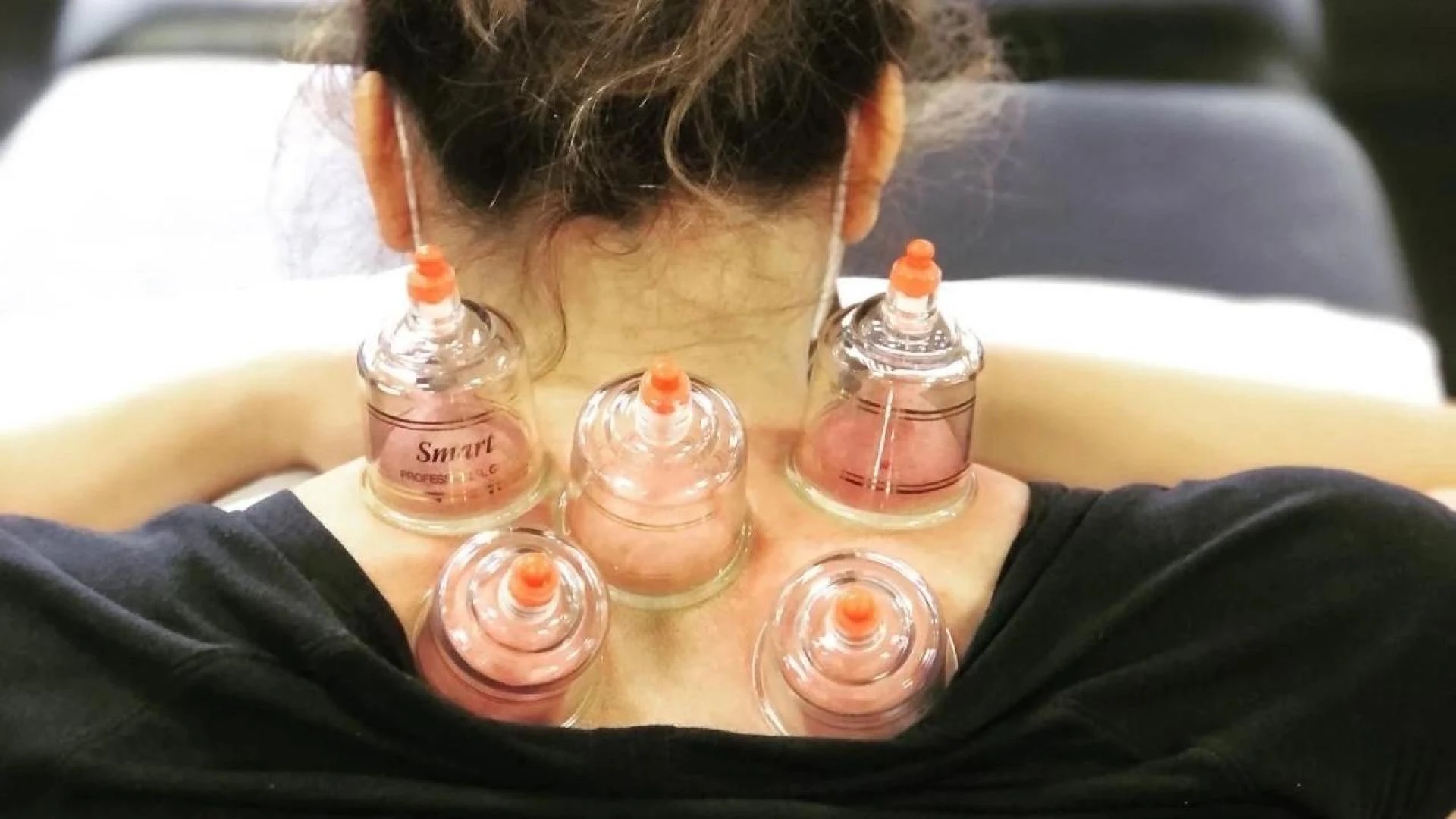
The mechanical process of hijama is what sets it apart from other treatments. During a session, specialized cups are applied to specific points on the body to create a controlled vacuum. This suction pulls the skin and underlying soft tissue upward. This action is the opposite of massage, which uses downward pressure. By lifting the tissue, hijama creates space between the skin, fascia, and muscle layers.
This decompression is vital for holistic pain treatment. It allows for the expansion of blood vessels and the movement of stagnant fluids that often accumulate in areas of chronic tension. By facilitating this movement, the therapy helps to flush out inflammatory markers and cellular waste that contribute to the sensation of pain.
Cupping Therapy for Muscle Pain and Recovery
Athletes and office workers alike frequently suffer from localized muscle knots or "trigger points." These are areas where the muscle fibers have remained in a state of contraction, leading to reduced blood flow and a buildup of lactic acid. Using cupping therapy for muscle pain is particularly effective here because the suction forces fresh, oxygenated blood into these tight areas.
When fresh blood enters the muscle, it carries the nutrients required for cellular repair. This process not only provides immediate relief from tightness but also helps to prevent future injuries by maintaining the elasticity of the muscle fibers. This is a primary reason why many active individuals now choose to book hijama therapy for pain relief as part of their regular recovery routine.
The Role of the Lymphatic System in Natural Healing
One of the most overlooked aspects of pain management is the role of the lymphatic system. Unlike the circulatory system, which has the heart to pump blood, the lymphatic system relies on movement and pressure to circulate fluid. When a person is in pain, they often move less, which leads to lymphatic stagnation and increased swelling.
Hijama acts as a manual pump for the lymphatic system. The vacuum created by the cups draws out excess interstitial fluid and directs it toward the lymph nodes for processing. This reduction in local pressure is a key component of natural pain relief without medication. When the swelling goes down, the pressure on nerve endings is reduced, which naturally lowers the pain signals sent to the brain.
A Holistic Approach to Chronic Conditions
Dealing with long term physical distress requires more than just a physical fix; it requires a change in the body’s overall state of health. This is where holistic pain treatment excels. Hijama therapy does not just target a single joint; it considers the body’s energy pathways and systemic circulation.
Patients seeking a natural therapy for chronic pain often find that their symptoms are linked to stress, poor sleep, or digestive issues. The calming effect of the cupping process on the nervous system helps to shift the body from a "fight or flight" state into a "rest and digest" state. This systemic relaxation is essential for healing, as the body cannot effectively repair itself when it is under constant physiological stress.
Comparing Hijama to Other Alternative Therapies
While there are many forms of alternative pain relief therapy, such as acupuncture or chiropractic care, hijama offers a unique combination of benefits. It provides the circulatory stimulation of massage, the targeted precision of acupuncture, and the detoxifying effects of lymphatic drainage.
Because it is a drug free pain management technique, it can be safely integrated with other wellness practices. Many patients find that combining hijama with gentle stretching or nutritional changes provides a comprehensive solution that makes pharmaceutical intervention unnecessary. This multi-faceted approach ensures that all aspects of the pain experience are addressed, from the physical tightness to the underlying chemical inflammation.
Why Quality Care Matters
When choosing to pursue this path, the environment and the expertise of the practitioner are paramount. Centers like ACU Hijama prioritize a clinical and hygienic approach to ensures that the therapy is both safe and effective. A professional practitioner will not only perform the procedure but will also educate the patient on how to maintain their results through better lifestyle choices.
The rise in popularity of these clinics reflects a shift in patient values. People are no longer satisfied with being passive recipients of a prescription; they want to be active participants in their recovery. They value the time spent in consultation and the tangible, physical nature of the treatment.
Conclusion: Embracing a Medicine Free Future
The journey toward natural pain relief without medication is a rewarding one. It requires patience and a willingness to listen to the body’s signals rather than silencing them. Hijama therapy offers a time tested, scientifically grounded way to manage pain that respects the complexity of human biology.
By focusing on circulation, detoxification, and tissue health, we can move away from the cycle of chemical dependency and toward a life of resilient, natural health. For those ready to experience the difference, taking the step to book hijama therapy for pain relief could be the beginning of a transformative healing journey.
Frequently Asked Questions
Is hijama therapy painful for someone already in pain?
Most patients find the sensation of hijama to be surprisingly relaxing. While there is a pulling or pinching sensation as the suction is applied, it is generally not described as painful. Many people feel a sense of "productive relief" as the tension is pulled away from the deep muscle layers.
How soon will I feel the effects of natural pain relief?
The timing of relief varies depending on the individual. Some people experience a significant reduction in muscle tightness and improved mobility immediately after the session. For chronic issues, the full benefits of drug free pain management usually become more apparent after two or three sessions as the body’s inflammatory levels stabilize.
Can I use hijama alongside my current physical therapy?
Yes, hijama is an excellent complement to physical therapy. While physical therapy focuses on strengthening and movement patterns, hijama addresses the soft tissue quality and circulation. Using both together can often accelerate the recovery process by ensuring the muscles are well-nourished and free of adhesions.
Are the marks left by cupping therapy permanent?
No, the circular marks left by the cups are temporary. They are not bruises, but rather a sign that blood has been drawn to the surface. These marks typically fade within three to seven days. The color of the marks can actually give the practitioner insight into the level of stagnation in that specific area.
What should I do after my session to maximize the results?
To get the most out of your treatment, it is important to stay hydrated, as water helps the lymphatic system flush out the toxins released during the session. We also recommend avoiding intense exercise or extreme temperatures for 24 hours to allow the body to focus entirely on the healing process triggered by the therapy.
Medical Disclaimer: The information provided in this blog is for educational and informational purposes only and is not intended as medical advice. It should not be used to diagnose, treat, or substitute professional medical advice from a qualified healthcare provider. Always consult with a qualified healthcare professional regarding any medical concerns or conditions.