
Soil erosion is a common occurrence in moist and shaded environments. A sloping lawn or a woodland edge is often prone to soil erosion. Soil erosion occurs most frequently when ground coverage is reduced. One of the most effective and natural ground cover solutions is to use hardy fern and moss seed types. They are not only effective in holding the soil in place but are also ideal for adding beauty to your lawn.
Ostrich Fern for Deep Root Stability
Ostrich Fern is noted for its habit of growing quite tall, as well as its rhizome roots. The rhizome roots hold the soil together quite well. Therefore, it can be counted upon for covering sloppiness. It grows well in moist soil conditions. It will perform well in areas with runoff. It grows tall, which evidently lessens the effects of rain hitting the land.
Giant Ostrich Fern (Glade Fern) for Structured Coverage
The Giant Ostrich Fern, also called Glade Fern, will add necessary vertical interest while controlling height. Unlike some aggressive growers, it grows in definite “clumps,” making it perfect for landscaped erosion control endeavors where spacing is critical. Its roots will help hold soil in shaded garden beds or woodland borders.
Lady Fern for Flexible Soil Protection
The Lady Fern does well on different types of soil, but requires the availability of moisture. The fibrous roots of this plant can keep the soil grounded, especially on a partially shaded slope. The moderate height of this plant, along with its soft leaves, enables it to have a good accompaniment with other effective ground cover plants.
New York Fern for Woodland Slopes
New York Fern is one of those plants that grows slowly to form natural colonies, and this makes it useful for stabilizing wooded hillsides. Its ability to grow well even when exposed to filtered light makes it useful for filling gaps between trees. Eventually, it develops a blanket of plants to prevent excessive soil displacement during rainfall.
Bracken Fern for Large-Scale Areas
The Bracken Fern is very useful in providing cover over large areas that need to be protected. It can survive in partial sunlight. It is fast-growing in favorable situations. The broad triangular fronds protect against direct exposure to the ground. At the same time, its roots hold the ground firmly.
Fiddlehead Fern for Seasonal Ground Reinforcement
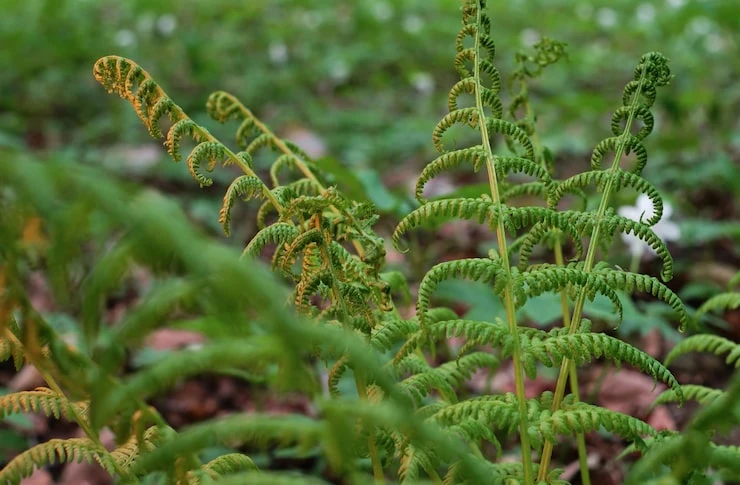
Fiddlehead Ferns give us early spring growth, which begins with reinforcement of the soil before new growth from any other plant. Once they unfurl from a fiddlehead into a grown frond, they provide shading over the surface of the soil, preventing evaporation of moisture. It thrives in damp, shaded areas.
Fern Moss for Surface-Level Protection
For low-growing erosion control, Fern Moss is also quite effective. This moss creates a lush green mat that covers and protects ground surfaces from excessive rain and wind. It is low-lying and covers the ground, preventing erosion that affects shaded walking trails, woodland areas, and other plants.
Maidenhair Fern for Protected Shaded Areas
Maidenhair Fern can be employed for controlling erosion in areas like sheltered spaces with moist environments. Despite its sensitive look, the plant has the capability for effective soil anchoring in protected garden beds. It performs perfectly in moist areas with filtered light. It can be used in areas like patios, shaded spaces, and tree canopies.
Hay Scented Fern for Expansive Ground Coverage
The Hay Scented Fern is recognized as spreading, therefore useful in supporting larger areas of banks. As it extends, the Hay Scented Fern develops dense ground cover, producing restricted movement of the earth. It is versatile in areas with partial shade and moist environments, ensuring its reliability in woodland areas.
Sensitive Fern for Wet Low-Lying Zones
The Sensitive Fern tends to thrive in low-lying areas where water normally collects. Its large leaves offer plenty of shading for the ground, and the roots help to anchor any loose soil. This plant is best used in rain gardens and around ponds to help the plant thrive in moist conditions.
Conclusion
Managing soil erosion in moist and low-light garden areas does not require artificial barriers or complicated systems. The right plant selection can provide long-term stability while enhancing the natural beauty of the landscape. Varieties such as Ostrich Fern, Giant Ostrich Fern, Lady Fern, New York Fern, Bracken Fern, Fiddlehead Fern, Fern Moss, Maidenhair Fern, Hay Scented Fern, and Sensitive Fern each contribute differently—some offering deep root support, others providing dense ground coverage or moisture retention.