
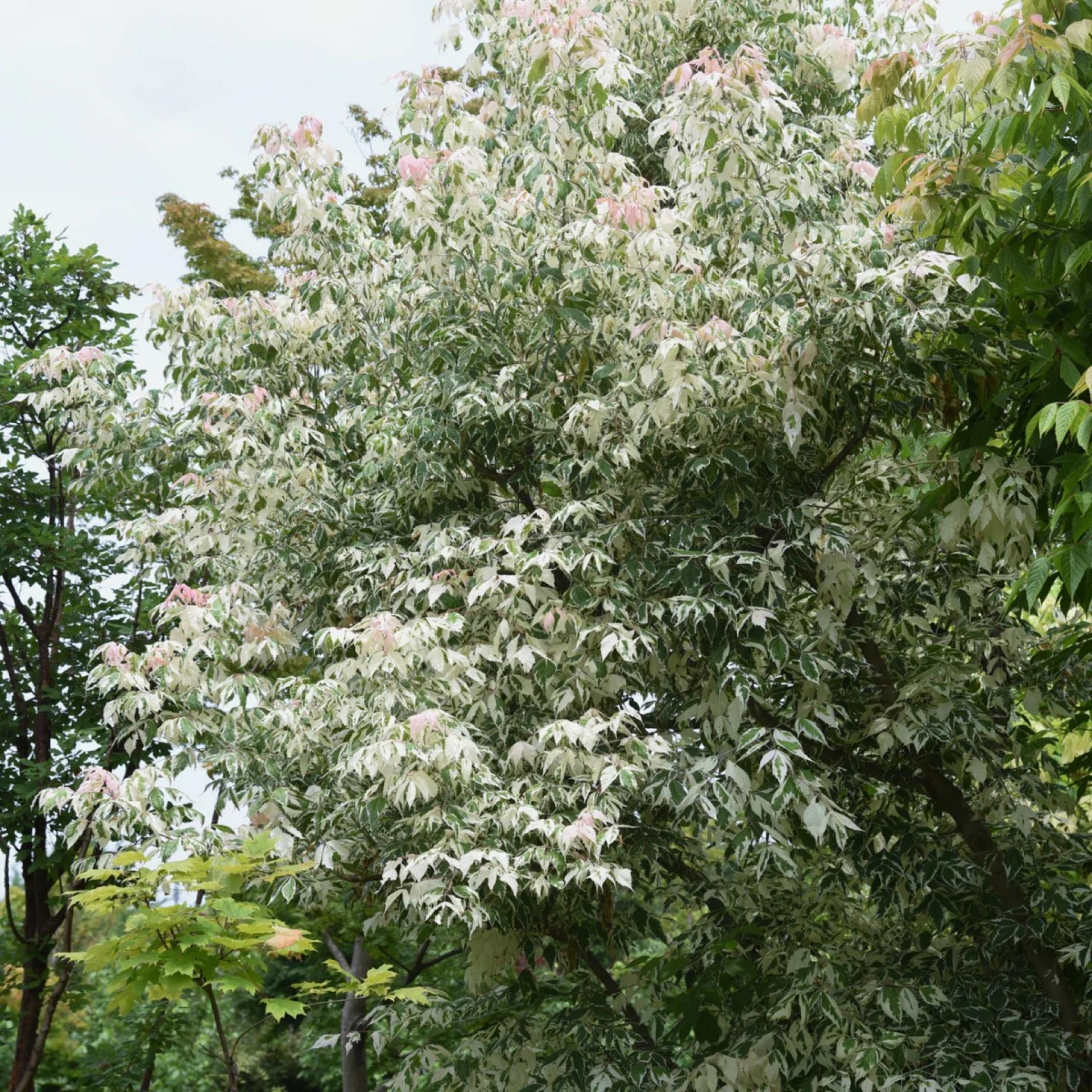
Most people don’t remember the day a tree was planted.
They remember what it felt like years later — the shade on a warm afternoon, the sound of leaves moving in the wind, the way the space finally felt finished.
Native trees have a special way of doing that. They don’t arrive loudly. They settle in, grow at their own pace, and slowly become part of everyday life. Because they belong to the land, they don’t struggle or demand attention. They grow the way trees are supposed to grow.
Here are a few native trees that don’t just fill space — they change how a place feels.
Silky Willow Live Stakes
Silky Willow Live Stakes are often planted out of necessity, but they end up being appreciated for much more. Push them into the soil near water or bare ground, and they get to work almost immediately.
Within weeks, new growth appears. The ground feels steadier. Green replaces empty space. Over time, these willows soften harsh edges and bring movement to places that once felt lifeless.
Black Willow
Black Willow is the kind of tree that makes wet areas feel intentional instead of problematic. Where water collects, it thrives. Where soil washes away, it holds firm.
Standing near a Black Willow is calming. Its branches sway easily, and wildlife seems to find it naturally. It doesn’t fight the land — it works with it.
Box Elder Tree
Box Elder doesn’t try to impress. It simply grows, adapts, and fills in where needed. In younger landscapes, it helps spaces feel lived-in faster.
Its shade arrives early, and its presence brings balance. It’s the type of tree you don’t worry about — and that’s exactly why it works so well.
Elm Tree
Elm trees have a way of shaping a place without overpowering it. Their tall trunks and arching branches create natural paths of shade.
They make open areas feel welcoming. Sitting beneath an Elm feels familiar, almost comforting, like the tree has been there longer than it actually has.
Overcup Oak Seedlings
Overcup Oak starts quietly. At first, it’s easy to overlook. But below the surface, it’s establishing deep, steady roots.
As years pass, it grows into a reliable shade tree that handles changing soil and moisture with ease. It becomes part of the land’s long story, not just a recent addition.
Willow Oak
Willow Oak feels light and graceful even as it grows strong. Its leaves allow sunlight to filter through, creating shade that feels cool but open.
It blends naturally with other trees, improving the space without demanding attention. Over time, it becomes one of those trees you miss immediately when it’s not there.
White Oak
White Oak grows in a planned way. It doesn't need to rush and doesn't. The thing is strong because it is patient.
As it matures, it offers deep shade and shelter. Wildlife gathers. The soil improves. The landscape feels rooted in something lasting.
Bur Oak Tree
Bur Oak tree has a presence you can feel. Its broad limbs stretch wide, creating shade that invites people to stay a little longer.
It turns into a tree that makes the area around it clear. Not just physically, but also emotionally. It turns into the yard tree.
Maidenhair Tree (Ginkgo)
Maidenhair Tree brings something different. Its leaves catch light in a way that feels almost artistic.
It handles tough conditions quietly and rewards patience with stunning fall color. This is the tree people notice without knowing why.
Memorial Tree
A Memorial Tree is planted with meaning. Time passes, seasons change, and the tree grows alongside memory.
Years later, its shade is still there to give you a break. It shows that stories can be told through live things more effectively than speaking.
Conclusion
The best places to be are slow, like trees. Native trees grow in a steady, real way that changes a place slowly but in a meaningful way. They give shade where it's needed, safety where animals gather, and a calmness that you can't plan for over time.
You don't have to wait for results when you plant native trees. Instead, you have to trust the land, the seasons, and the work that's being done quietly below the ground. The cause will still be there in a few years, when the room is cooler, fuller, and more alive. It will have grown and taken root.