
Discover how nasal strips can enhance your breathing and improve your sleep quality. Learn their benefits and how they work to clear your nasal passages.
Nasal strips are a simple, effective solution to help you breathe better, sleep more soundly, and enjoy overall improved respiratory health. These adhesive strips, often used by individuals who experience nasal congestion, can be applied to the outside of the nose to open nasal passages and improve airflow. Whether you suffer from seasonal allergies, a cold, or just need help sleeping, nasal strips are an accessible, non-invasive tool for relief.
What Are Nasal Strips?
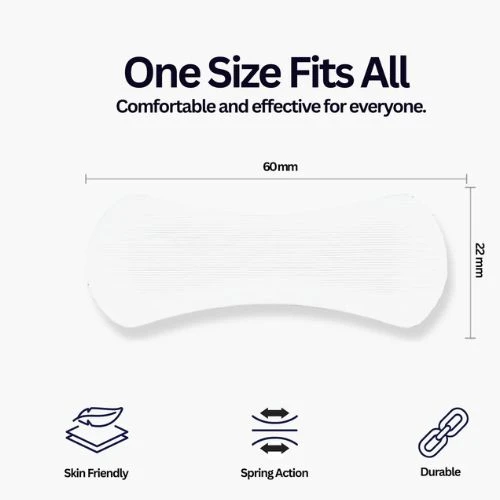
Nasal strips are small, flexible bands designed to be applied to the outside of the nose. They feature a gentle adhesive on one side and a pair of thin, flexible bands that help to pull open the nostrils when applied. By physically widening the nasal passages, nasal strips improve airflow, which can help with breathing during sleep or physical activity.
How Do Nasal Strips Work?
When you apply nasal strips, they use a simple mechanism to gently pull apart the sides of the nostrils. This action helps to keep the nasal passages open, making it easier for air to flow freely through the nose. Nasal strips work by counteracting the natural tendency of the nasal passages to constrict, especially when you're congested due to allergies, colds, or even physical exertion.
This increased airflow can reduce snoring, improve oxygen intake, and prevent the discomfort that often accompanies blocked sinuses. Simply put, nasal strips are an easy way to clear your airways without the need for medication or complicated procedures.
Benefits of Using Nasal Strips
- Improved Sleep: One of the biggest benefits of nasal strips is their ability to reduce or eliminate snoring. By opening the nasal passages, they prevent airway constriction, which is the primary cause of snoring.
- Enhanced Breathing: Whether you're exercising or simply resting, nasal strips can help you breathe better by ensuring that your nasal passages are open and unobstructed.
- Non-invasive Relief: Nasal strips are a drug-free alternative to decongestants or nasal sprays. They're ideal for those who want immediate relief without the side effects of medications.
- Convenience: Nasal strips are easy to use and require no preparation. Simply peel and apply before sleep or before exercise to experience their benefits.
Who Can Benefit From Nasal Strips?
Nasal strips are beneficial for a wide range of individuals. Those who suffer from nasal congestion due to allergies or colds can find relief with nasal strips, as they help clear the nasal passages. Athletes who need to maximize their oxygen intake during physical activity can also use nasal strips to improve their performance.
People who struggle with snoring will appreciate the effectiveness of nasal strips, as they can reduce or eliminate the noise associated with blocked airways during sleep. Whether you are looking to improve your sleep quality, your exercise performance, or simply breathe easier, nasal strips are a cost-effective, simple solution to consider.
When to Use Nasal Strips
- During Sleep: Apply the nasal strips before bed to help alleviate snoring and enjoy a more restful night’s sleep.
- Before Exercise: Athletes and fitness enthusiasts can use nasal strips during workouts to improve airflow and enhance endurance.
- During Cold or Allergy Seasons: Nasal strips can provide relief when congestion from a cold or allergies makes it hard to breathe through the nose.
How to Apply Nasal Strips
Applying nasal strips is a straightforward process. Start by thoroughly cleaning and drying your nose to ensure the adhesive sticks properly. Place the nasal strip across the bridge of your nose, aligning the flexible bands with your nostrils. Gently press down to ensure the strip adheres securely. Once applied, the nasal strip will begin to work by gently pulling your nostrils open, allowing for easier breathing.
Things to Keep in Mind When Using Nasal Strips
- Ensure Proper Fit: For nasal strips to work effectively, they need to be applied correctly. Make sure the strip is centered and positioned across the widest part of your nose.
- Don’t Overuse: While nasal strips are generally safe, it’s important to use them as directed. Overuse can irritate the skin or cause discomfort.
- Consult with a Doctor: If you have ongoing or severe breathing issues, it’s a good idea to consult a healthcare professional to rule out underlying conditions like sleep apnea.
Conclusion
Nasal strips are a convenient and non-invasive solution for improving your breathing and sleep quality. They offer a simple way to alleviate nasal congestion, reduce snoring, and enhance airflow, all without the need for medications or complicated treatments. Whether you're dealing with seasonal allergies, recovering from a cold, or simply want to breathe easier while sleeping, nasal strips can make a noticeable difference.