Narendra Deva University of Agriculture and Technology: A Hub of Agricultural Proficiency
Overview:
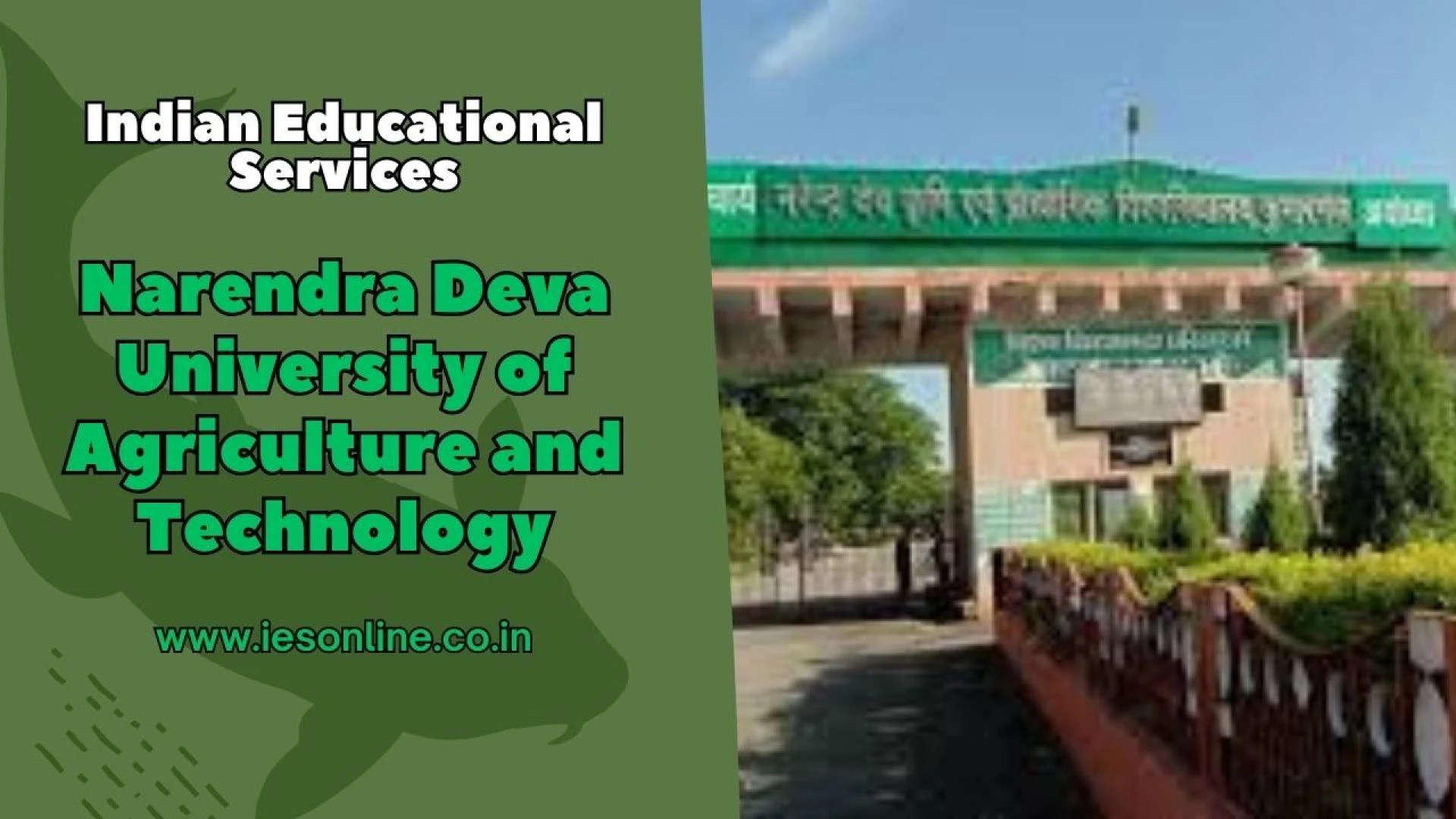
Nestled in Kumarganj, Ayodhya, Uttar Pradesh, Narendra Deva University of Agriculture and Technology (NDUAT) stands out as one of India’s leading establishments devoted to agricultural education, research, and outreach. Named in honor of Acharya Narendra Deva, a notable freedom fighter, educator, and proponent of agrarian reform, this university is pivotal in promoting the advancement of agriculture and related disciplines. Inaugurated in 1975, NDUAT has consistently led the charge in agricultural innovation, tackling pressing issues such as food security, sustainable farming practices, and rural advancement.
Historical Context:
The foundation of Narendra Deva University of Agriculture and Technology was inaugurated on January 15, 1974, by the then Prime Minister of India, Indira Gandhi, in Masodha near Ayodhya. Initially, the university functioned from a temporary location until transitioning to its current site in Kumarganj. The Government of Uttar Pradesh envisioned NDUAT as a center for agricultural research and education, and the university has substantially fulfilled this vision since its beginnings, notably influencing the agricultural landscape of the region and beyond.
Campus and Facilities:
NDUAT encompasses a vast area of 477 acres, boasting a cutting-edge infrastructure that promotes high-quality education and research. The campus includes multiple academic buildings, well-equipped laboratories, lecture halls, student accommodations, administrative offices, and living quarters for faculty and staff members. The university’s library serves as a rich repository of books, research articles, and journals related to agriculture and allied sciences. Additionally, its extensive farmlands are utilized for experimental research, student training, and demonstration activities. Advanced research centers, including biotechnology laboratories, soil testing facilities, and meteorological observatories, furnish students and researchers with practical learning experiences.
Educational Programs and Constituent Colleges:
Narendra Deva University of Agriculture and Technology provides an extensive array of undergraduate, graduate, and doctoral programs in agricultural and affiliated fields. The university comprises several constituent colleges that specialize in various disciplines:
College of Agriculture, Kumarganj, Ayodhya:
Offers undergraduate and graduate programs in agricultural sciences with focus areas such as agronomy, soil science, plant breeding, and entomology.
College of Veterinary Science & Animal Husbandry, Kumarganj, Ayodhya:
Delivers education and research in animal sciences, veterinary medicine, and livestock management.
College of Fisheries, Kumarganj, Ayodhya:
Concentrates on fisheries science, aquaculture, and marine biology.
College of Home Science, Kumarganj, Ayodhya:
Provides courses in nutrition, community development, textiles, and family resource management.
College of Horticulture and Forestry, Kumarganj, Ayodhya:
Educates in horticulture, floriculture, forestry, and landscaping.
Mahamaya College of Agricultural Engineering and Technology, Akbarpur, Ambedkar Nagar:
Specializes in agricultural engineering, farm mechanization, and irrigation technology.
College of Agriculture, Azamgarh:
Offers agriculture-based programs tailored to the needs of the eastern Uttar Pradesh region.
Research and Outreach Initiatives:
Research serves as a fundamental component of Narendra Deva University of Agriculture and Technology’s mission. The university engages in comprehensive research initiatives aimed at enhancing agricultural productivity, sustainability, and farmer welfare. Key research areas include:
Development of high-yield and climate-resilient crop varieties.
Management of soil health through organic farming techniques.
Integrated pest and disease control methods.
Innovations in livestock and dairy farming.
Water conservation and efficient irrigation practices.
The university’s outreach programs connect scientific research to farming communities. Through Krishi Vigyan Kendras (KVKs), farmer training workshops, and agricultural exhibitions, NDUAT spreads the latest agricultural advancements to rural populations. Furthermore, the university collaborates with governmental bodies, NGOs, and international organizations to enhance its outreach operations.
Collaborations and Alliances:
Narendra Deva University of Agriculture and Technology has established partnerships with both national and international institutions to broaden its research capabilities and academic offerings. Significant collaborations include:
Indian Council of Agricultural Research (ICAR)
Department of Agriculture, Government of Uttar Pradesh
International Rice Research Institute (IRRI)
Various agro-industries for technology transfer and commercialization.
These partnerships enable exchanges of students and faculty, collaborative research projects, and the development of groundbreaking agricultural techniques.
Achievements and Contributions:
Over the years, NDUAT has made significant strides in the agricultural sector. Noteworthy accomplishments include:
The development of superior seed varieties for staple crops such as wheat, rice, and pulses.
Research focused on sustainable agricultural practices, including organic and conservation techniques.
Advancements in animal husbandry and veterinary sciences.
Meaningful contributions to fisheries and aquaculture growth in the region.
Increased participation in national and international agricultural conferences and symposiums.
The university’s alumni have thrived in various fields, including academia, research institutions, governmental agencies, agribusiness, and entrepreneurship, reflecting the institution’s commitment to educational and research excellence.
Future Directions:
Narendra Deva University of Agriculture and Technology is on a continuous journey of transformation, adapting its educational and research initiatives to meet the evolving demands of agriculture and society. Some of the university’s upcoming objectives include:
Launching new research facilities that concentrate on climate change, precision agriculture, and biotechnology.
Broadening its academic offerings to incorporate emerging disciplines such as agribusiness management and food science.
Fortifying farmer guidance services via digital tools and mobile platforms.
Boosting partnerships with global institutions for international exposure and knowledge sharing.
Enhancing the representation of women in agricultural education and research.
By adopting cutting-edge technology and innovative instructional strategies, NDUAT aspires to stay at the vanguard of agricultural advancement in India.
Conclusion:
Narendra Deva University of Agriculture and Technology stands as a symbol of excellence in agricultural education and research. Through its varied academic offerings, research endeavors, and outreach initiatives, the university continues to significantly influence India’s agricultural landscape. As it progresses, Narendra Deva University of Agriculture and Technology remains dedicated to fostering innovation, empowering farmers, and contributing to the country's aim for sustainable and resilient agriculture. The institution's legacy and persistent efforts guarantee that it will keep playing a crucial role in shaping the agricultural future for generations ahead.